health
Keeping your mind and body in check - popular topics in health and medicine to maintain a long and healthy life.
How Seeing a Dental Hygienist Can Help with Stain Removal and Your Overall Dental Health?
Dental stains are one of the most common concerns of people, worldwide, impacting overall smile aesthetics and confidence. While there are several dental whitening products available commercially to remove stains from the enamel along with regular oral hygiene maintenance, it is important to consult a good dental hygienist. In this blog, we will explain how private dental hygienists in London help restore the natural colour of your teeth. Read on until the end.
By South Kensington MDabout a year ago in Longevity
The Overlooked Fix for Bunion Pain: Gel Toe Spacers That Actually Work. AI-Generated.
Bunion pain can be frustrating, limiting your mobility and making everyday shoes unbearable. But what if the solution wasn’t surgery or bulky orthopedic inserts — but something much smaller and simpler?
By Yoshaa Reviewsabout a year ago in Longevity
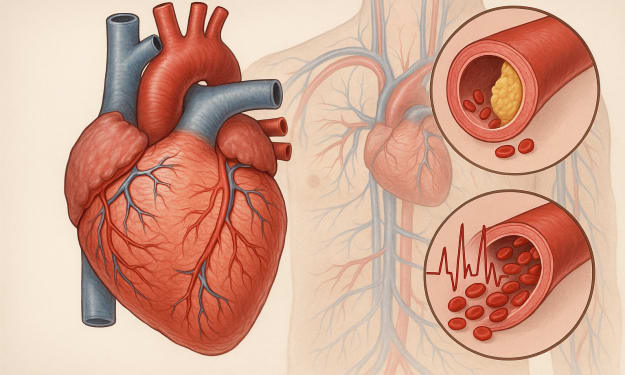
Heart-Smart Blueprint: Tips, Tools & Habits for a Healthy Life
Your heart is far more than an organ—it's the reliable, steady engine that powers your whole life. And with all the advances in medicine, heart disease is the leading cause of death worldwide. The good news? It's largely preventable. By making some reasonable decisions to look after your heart and finding out how, you can greatly increase your likelihood of living a long, vibrant, healthy life.
By Velma Lovemoreabout a year ago in Longevity
Smiles in the Sunshine State: Exploring Orthodontics in Tampa, FL
Tampa, Florida, is a city known for its warm weather, beautiful waterfronts, and vibrant culture but it’s also becoming a hub for modern dental and orthodontic care. As families settle into neighborhoods from Hyde Park to Westchase, many are prioritizing not just healthcare but oral health, especially orthodontics.
By Mian Abdulrahmanabout a year ago in Longevity
Before It’s Too Late
Shahryar was 35 years old, working full-time at a private firm. His life followed a predictable rhythm: leaving home at 9 a.m., returning exhausted at 6 p.m., helping his children with homework, occasionally assisting his wife in the kitchen, and falling asleep watching television. Ten years earlier, he had been diagnosed with type-2 diabetes. But deep down, he never fully accepted it. He’d often joke with friends, “It’s just borderline sugar,” as he reached for another sweet at a wedding. His behavior reflected that denial—he skipped medications, avoided exercise, and never took his condition seriously. One afternoon, while sitting at his desk, he felt an odd tightness in his chest. It wasn’t sharp pain—just pressure. A sense of weight sat over his sternum, accompanied by light sweating and a strange discomfort down his left arm. Shahryar leaned back, took a few deep breaths, drank some water, and told himself it must be indigestion. He asked a colleague to get him some mint tea and resumed working. That evening, he told his wife about it. She looked worried and suggested going to the hospital. He dismissed it. “Probably just stress,” he said. “I'll be fine after some warm milk.” Over the next week, similar episodes returned—fatigue, heaviness in the chest, and even breathlessness while climbing stairs. But Shahryar was stubborn. He began visiting a nearby traditional herbalist who gave him herbal tonics and assured him that everything was fine. He avoided modern cardiac medications, believing that starting them meant being tied to pills forever. Months passed. Then came a Thursday evening. Shahryar was walking home from work. Just as he turned onto his street, he collapsed without warning. Neighbors ran to help. Someone called his wife, another flagged down a rickshaw, and within minutes he was at the emergency department of a local hospital. The ECG confirmed what the doctors had feared: a major heart attack. The attending physician looked at the monitor and said quietly, “He’s had another one before this… probably a silent heart attack a few weeks ago.” He was rushed in for an angiography. The results were worse than expected—three major arteries were completely blocked. His condition was unstable. Bypass surgery was ruled out. A stent was attempted, but Shahryar’s heart was already severely damaged. The following weeks were a blur of hospital visits, medications, and desperate prayers. He could no longer work. He barely spoke. Once in a while, he’d quietly call his wife over and whisper instructions—how to pay school fees, where to find documents, passwords to his bank account. He hugged his daughter and said, “Take care of her when I’m not around,” tears quietly rolling down his cheeks. Then, one evening, it happened. The heart monitor went silent. The nurses rushed in, but he was gone. His wife screamed. His children stood frozen, not knowing how to respond. His mother collapsed in the hallway. The silence that followed felt louder than anything the family had ever heard. --- This isn’t just Shahryar’s story. It’s the story of countless men in their 30s and 40s—those who ignore symptoms, avoid checkups, trust advice from friends over doctors, and hope that strong will alone will keep them safe. As a cardiologist, I’ve seen this play out more times than I can count. Perfectly healthy-looking men falling victim to lifestyle diseases because they didn’t take them seriously. Sugar, cholesterol, high blood pressure—these aren’t just numbers on a lab report. Over time, they silently choke the life out of your heart. --- Signs You Should Never Ignore: Pressure or discomfort in the chest Pain radiating to the left arm, jaw, or back Shortness of breath while doing mild activity Dizziness or unusual fatigue Cold sweat or a sense of dread If you or someone you love has diabetes, heart history, or even mild symptoms—do not ignore them. Get an ECG. Visit a cardiologist. Don’t rely on home remedies or non-medical advice when your heart is at risk. --- Shahryar had everything to live for—a loving family, young children, a stable job. But he waited too long. And in that silence, his body gave out before his heart ever truly did. If you're reading this and it reminds you of someone—stop them before it's too late. A small test today can save decades of heartbreak later. --- Take care of your heart. It beats not just for you, but for everyone who waits for you at home.
By Muhammad Usamaabout a year ago in Longevity
It's time for the human gut's "virome" to take centre stage, not the microbiome.
Research on gut health was dominated for years by microorganisms. The gut virome is now being recognised as a key factor in both health and illness. Approximately 90% of the gut virome is composed of bacteriophages, which are viruses that infect bacteria.
By Francis Damiabout a year ago in Longevity
Eco‑Anxiety Explained: Why Climate Change Is Hurting Mental Health 🌍🧠
“Every time I scroll through the news, it feels like a countdown to disaster.” Sound familiar? If you've ever felt overwhelmed, anxious, or even helpless after reading about melting ice caps, wildfires, or extreme weather events, you're not alone. Welcome to the emotional frontier of the climate crisis: eco-anxiety.
By Dorking Wavesabout a year ago in Longevity
Telo Vital - Touchstone Essentials. AI-Generated.
Telo Vital, the anti aging breakthrough you've been waiting for Vital advancements in anti-aging science have led to the development of Telo Vital, a revolutionary product that could transform your approach to skincare. With its focus on cellular health and rejuvenation, this groundbreaking formula has been designed to help you reclaim a youthful appearance and boost your confidence. In this blog post, you’ll discover the science behind Telo Vital, how it works, and why it may be the key to unlocking your best self. Prepare to be informed about the remarkable potential of this anti-aging solution.
By Kenneth MacLeanabout a year ago in Longevity
How vitamin D may increase survival in colon cancer.
Colorectal cancer is considered a deadly disease worldwide, the number of patients of which is constantly increasing. But fortunately, modern research has presented some encouraging possibilities in this regard. Recent research studies have found that vitamin D, which is obtained through sunlight and some foods, is not only beneficial for colon cancer patients but can also significantly increase their chances of survival.
By Echoes of Lifeabout a year ago in Longevity
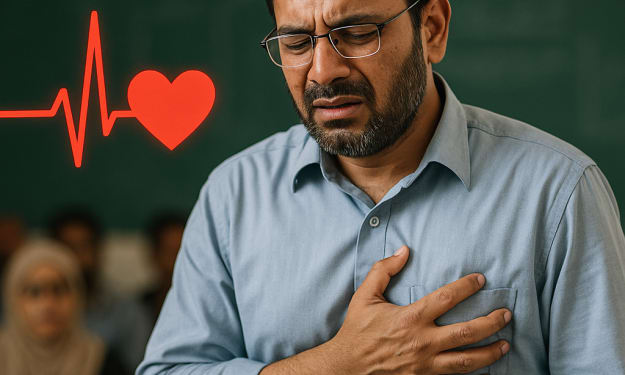
💔 Heart Attacks Are Becoming Too Common — And That Should Worry Us All
There was a time when heart attacks were something we associated with older people. But now, that is no longer true. Every week, we hear of someone young — a teacher, a student, a worker — suddenly collapsing and dying from a heart attack. These incidents are no longer rare. They are happening too often.
By Muhammad Adilabout a year ago in Longevity