fitness
Fitness regimes, advice, and trends in the Longevity health and wellness sphere.
DON'T COMBINE THESE FOODS⚠️🙀
EATING TOMATOES WITH THESE FOODS CAN TURN INTO A TOXIC SUBSTANCE. CUCUMBERS Cucumbers contain catabolic enzymes that can destroy the Vitamin C content in tomatoes when combined. Tomato is rich in vitamin C, while the catabolic enzyme contained cucumber will destroy vitamin C. As a result, if you eat these two kinds of food together, it is not conducive to the absorption of vitamin C.
By Dr_Vaganza🩺2 years ago in Longevity
How to Lose Weight Fast with Mindful Eating Hacks for Athletes
Introduction In the quest for peak athletic performance and rapid weight loss, athletes often explore countless strategies to shed those extra pounds without compromising their training. Enter mindful eating—a transformative approach that goes beyond diet trends to focus on the quality and consciousness of each bite. If you’re looking to lose weight fast while enhancing your athletic prowess, mindful eating hacks might be the secret weapon you need. In this article, we’ll uncover how mindful eating can help you achieve your weight loss goals quickly, control cravings, and optimize your performance with practical tips and insights tailored for athletes.
By Katrina Cody 2 years ago in Longevity
Build Strength and Lose Fat: The Ultimate 5-Workout Routine Every Athlete Needs to Try . AI-Generated.
When it comes to achieving a physique that’s both strong and lean, finding the right workout routine is key. Whether you're an athlete, fitness enthusiast, or just someone eager to shed a few pounds while bulking up, the challenge lies in choosing exercises that effectively blend strength building with fat burning. In this guide, we’ll dive into a dynamic 5-workout routine designed to help you build strength and lose fat. These workouts aren’t just effective; they’re transformative, providing you with the tools needed to reach your peak performance. Let’s get started!
By Katrina Cody 2 years ago in Longevity
The Top 10 Weight Loss Foods Every Athlete Should Know. AI-Generated.
Introduction In the world of athletics, performance is everything. Whether you're a professional athlete or a fitness enthusiast, achieving and maintaining peak physical condition requires more than just intense training and dedication. Nutrition plays a crucial role in fueling your body, enhancing your performance, and helping you reach your fitness goals. For athletes, the importance of choosing the right foods extends beyond simply providing energy. It involves selecting foods that support weight management, muscle growth, recovery, and overall health. This article will delve into the top 10 weight loss foods every athlete should know about, offering insights into how these foods can fuel your performance, aid in weight management, and ultimately transform your athletic capabilities.
By Katrina Cody 2 years ago in Longevity
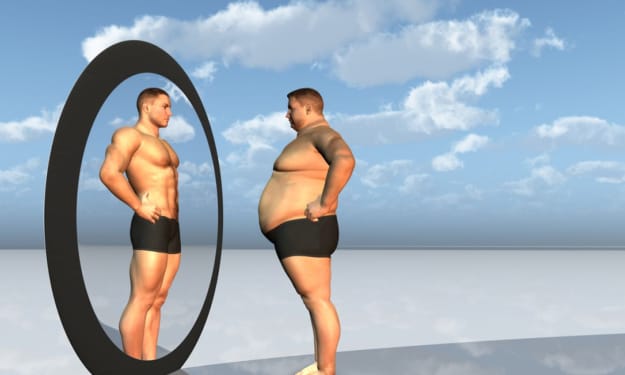
The Fitness Illusion: Unveiling The Truth Behind The Sweat
Hello, fitness warriors! Ever felt like the world of fitness is a maze of mirrors, showing you a path to health and happiness that sometimes seems out of reach? You're not alone. The fitness journey is paved with promises of transformation, but it's also littered with myths and misconceptions. Today, we're diving deep into the most deceiving aspect of fitness and how to navigate through the smoke and mirrors to achieve your goals.
By Gerald Irimisose2 years ago in Longevity
Cracking The Code: Morning Vs Night Weight Loss
Hey there, fitness warriors and health enthusiasts! 🌞🌙 Ever found yourself debating whether to hit the gym before the sun's up or after the stars are out? Wondering if there's a golden hour for weight loss that can speed up your journey to that dream body? You're not alone. The battle of the biological clocks is real, and I'm here to guide you through the mystical lands of morning and nighttime weight loss.
By Gerald Irimisose2 years ago in Longevity
How Do I Know if I'm Having a Heart Attack? A 2024 Guide
How Do I Know if I'm Having a Heart Attack? A 2024 Guided In today's fast-paced world, understanding the signs and symptoms of a heart attack is more crucial than ever. With cardiovascular diseases remaining a leading cause of death globally, it is essential to know how to recognise the warning signs. The question on many people's minds is, "How do I know if I'm having a heart attack?" This guide aims to provide a comprehensive answer, blending medical facts with practical advice. ### What Is a Heart Attack? Before delving into the symptoms, it's important to understand what a heart attack is. Medically termed as a myocardial infarction, a heart attack occurs when the blood flow to a part of the heart is blocked for a long enough time that part of the heart muscle is damaged or dies. The blockage is usually caused by a buildup of fat, cholesterol, and other substances, which form a plaque in the arteries. So, how do I know if I'm having a heart attack? The first step is understanding that a heart attack is a medical emergency that requires immediate attention. The sooner you recognise the symptoms, the better your chances of survival and recovery. ### Common Symptoms of a Heart Attack One of the most critical questions is, "How do I know if I'm having a heart attack?" The symptoms can vary from person to person, but there are some common signs that everyone should be aware of. 1. **Chest Pain or Discomfort**: This is the most common symptom. It might feel like pressure, squeezing, fullness, or pain in the centre or left side of your chest. This discomfort can last more than a few minutes or may go away and return. 2. **Upper Body Pain**: Pain or discomfort can also spread beyond the chest to the shoulders, arms, back, neck, teeth, or jaw. This is particularly common in women. 3. **Shortness of Breath**: You may struggle to breathe, even when you’re at rest. Shortness of breath can accompany chest pain or occur before it. 4. **Nausea, Indigestion, or Stomach Pain**: Some people may feel sick to their stomachs, have heartburn, or feel pain in their abdomen. 5. **Sweating**: Breaking out in a cold sweat is a common sign, especially if it happens alongside other symptoms. 6. **Light-headedness or Sudden Dizziness**: You might feel faint or suddenly dizzy, which can sometimes be accompanied by a cold sweat. These symptoms answer the question, "How do I know if I'm having a heart attack?" It’s crucial to remember that symptoms can be subtle and aren’t always dramatic. In some cases, the signs might be so mild that they are mistaken for less serious conditions like indigestion. ### Understanding Atypical Symptoms While the typical symptoms are well-known, many people wonder, "How do I know if I'm having a heart attack if the symptoms aren't clear?" Atypical symptoms, which are more common in women, older adults, and people with diabetes, can make it harder to recognise a heart attack. Atypical symptoms can include: - **Unusual fatigue**: Feeling unusually tired, sometimes for days before a heart attack. - **Sleep disturbances**: Waking up in the middle of the night feeling short of breath or with chest pain. - **Anxiety**: Some people report a sense of doom or intense anxiety before a heart attack. - **Palpitations**: Feeling like your heart is racing or skipping beats can sometimes precede a heart attack. These symptoms might make you wonder, "How do I know if I'm having a heart attack when the signs aren't straightforward?" The key is to listen to your body and seek medical help if something feels off. ### Risk Factors That Increase the Likelihood of a Heart Attack Another way to answer, "How do I know if I'm having a heart attack?" is by understanding your risk factors. Certain conditions and lifestyle choices can significantly increase your risk of a heart attack. #### High Blood Pressure High blood pressure is a major risk factor for heart disease. It can damage arteries over time, making them more susceptible to the narrowing and hardening that leads to a heart attack. #### High Cholesterol Elevated levels of cholesterol can lead to the formation of plaques in the arteries, which can eventually block blood flow to the heart. #### Smoking Smoking damages the lining of your arteries, leading to the buildup of plaque. It also lowers the amount of oxygen in your blood and increases blood pressure, making a heart attack more likely. #### Diabetes Diabetes increases your risk of heart disease. Over time, high blood sugar can damage blood vessels and the nerves that control your heart. #### Family History If heart disease runs in your family, you may be at a higher risk of having a heart attack. Understanding your family history is important when considering the question, "How do I know if I'm having a heart attack?" ### Immediate Actions to Take If You Suspect a Heart Attack Knowing the answer to "How do I know if I'm having a heart attack?" is crucial, but what you do next is just as important. If you suspect you are having a heart attack, immediate action is vital. 1. **Call Emergency Services**: If you experience symptoms of a heart attack, call emergency services immediately. Time is of the essence, and prompt medical attention can save your life. 2. **Take Aspirin**: If advised by a healthcare provider, chewing an aspirin during a suspected heart attack can help thin the blood and prevent further clotting. 3. **Stay Calm**: Try to remain calm and sit down while waiting for help to arrive. Moving around can increase your heart’s demand for oxygen, worsening the situation. 4. **Inform Someone**: If you are not alone, inform someone nearby about your symptoms. Having someone with you can provide additional support and ensure help is on the way. These steps can significantly improve your chances of survival. The next time you ask yourself, "How do I know if I'm having a heart attack?" remember that acting quickly can be the difference between life and death. ### Diagnostic Tests for Heart Attack Even if you understand the answer to "How do I know if I'm having a heart attack?" it’s crucial to get a professional diagnosis. Doctors use various tests to determine if a heart attack has occurred and to assess the extent of damage. 1. **Electrocardiogram (ECG)**: This test records the electrical activity of your heart and can show if you are currently having or have had a heart attack. 2. **Blood Tests**: Heart attacks cause damage to the heart muscle, releasing proteins like troponin into the bloodstream. Elevated levels of these proteins can indicate a heart attack. 3. **Chest X-ray**: A chest X-ray can help doctors see the size and shape of your heart and detect fluid in the lungs, which can be a sign of heart failure. 4. **Coronary Angiography**: This procedure uses a special dye and X-rays to see how blood flows through your heart arteries. It can help identify blockages. 5. **Echocardiogram**: This test uses sound waves to create detailed images of your heart. It can show how well your heart is pumping and if any areas are damaged. Understanding these tests can further clarify, "How do I know if I'm having a heart attack?" and ensure you receive the correct diagnosis and treatment. ### Preventing a Heart Attack While understanding "How do I know if I'm having a heart attack?" is critical, prevention is even better. There are several lifestyle changes you can make to reduce your risk of a heart attack. #### Healthy Eating A heart-healthy diet is one of the most effective ways to prevent a heart attack. Focus on eating plenty of fruits, vegetables, whole grains, and lean proteins. Reduce your intake of processed foods, saturated fats, and added sugars. #### Regular Exercise Exercise strengthens your heart and improves circulation. Aim for at least 150 minutes of moderate-intensity exercise each week. Even simple activities like walking can make a big difference. #### Quit Smoking If you smoke, quitting is one of the best things you can do for your heart. Smoking cessation reduces your risk of heart disease and improves your overall health. #### Manage Stress Chronic stress can contribute to heart disease. Techniques like meditation, deep breathing, and regular physical activity can help manage stress levels and reduce your risk of a heart attack. #### Regular Check-ups Regular check-ups with your healthcare provider can help detect risk factors like high blood pressure and high cholesterol early. Managing these conditions effectively can prevent a heart attack. ### Myths and Misconceptions About Heart Attacks There are many myths surrounding heart attacks that can lead to confusion when asking, "How do I know if I'm having a heart attack?" Let’s debunk some of the most common misconceptions. #### Myth 1: Only Older Adults Have Heart Attacks While the risk of heart attacks increases with age, younger people can also experience them. Lifestyle factors like smoking, poor diet, and lack of exercise can lead to heart disease in younger adults. #### Myth 2: Heart Attacks Always Cause Severe Chest Pain Not all heart attacks cause severe chest pain. Some people experience mild discomfort or other symptoms like shortness of breath or fatigue. #### Myth 3: Women Don’t Have Heart Attacks Heart disease is the leading cause of death for women, and they are just as likely as men to experience heart attacks. However, women may have different symptoms, which can sometimes lead to delays in diagnosis and treatment. ### Recovery After a Heart Attack If you’ve had a heart attack, understanding the recovery process is essential. You might wonder, "How do I know if I'm having a heart attack again?" Recovery involves lifestyle changes, medications, and sometimes procedures like angioplasty or bypass surgery to improve heart function and prevent future attacks. #### Medications After a heart attack, your doctor may prescribe medications to prevent future
By Mohamed sha2 years ago in Longevity
Staying In Shape For Life: Your Ultimate Guide
Hey there, health enthusiast! You're embarking on a fantastic journey, aiming to stay in good shape not just for a year or two, but for the rest of your life. It's a noble goal, and guess what? You've got the right mindset to make it happen. Let's dive into how you can achieve this, handle any objections along the way, and keep the momentum going.
By Gerald Irimisose2 years ago in Longevity
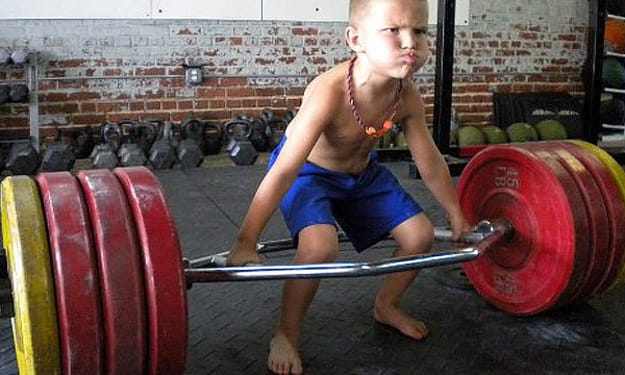
Lifting Weight While Still Growing Up
Lifting weight while still growing, particularly during adolescence, is a topic that often raises concerns among parents, guardians, and even young individuals themselves. The primary worry is whether lifting weights can negatively impact growth, specifically by stunting height or causing injuries. Let's delve into the science and best practices surrounding this issue to provide a clearer understanding.
By Gerald Irimisose2 years ago in Longevity
7 Herbs for Hair Growth
Are you tired of seeing your hair fall out, thin, or break? Do you want to have thicker, healthier, and more beautiful hair? If you answered yes, then you are not alone. Many people struggle with hair loss and hair damage due to various factors such as genetics, hormones, stress, diet, and environmental pollution.
By Sanjay Upadhyay2 years ago in Longevity