diy
Do It Yourself and create arts, crafts, recipes, and at home workouts with the Longevity DIY guide.
The River of Long Life
M Mehran When Daniel was a child, his grandfather would take him to the edge of a quiet river near their village. “This river,” his grandfather said, “is the secret to a long life. Not because of the water itself, but because it teaches you how to live.” At ten years old, Daniel didn’t understand. He only threw stones and chased fish, laughing at his grandfather’s riddles. But years later, after stress, long nights of work, and unhealthy habits had worn him down in his thirties, he found himself standing by that same river, desperate for answers. He remembered the lessons his grandfather once whispered, each one tied to the rhythm of flowing water. --- Lesson One: Keep Moving “The river never stops,” his grandfather had said, “and neither should you.” Daniel thought about how still he had become, glued to screens, sitting for hours, letting his body stiffen. So he began walking—just ten minutes at first. Then he added stretching, light jogging, gardening. Movement became a part of his daily rhythm, not a punishment, but a gift. His body responded like a long-dormant machine brought back to life. His energy rose, his sleep deepened, and his stress began to flow away like driftwood down the stream. --- Lesson Two: Stay Clear “Notice how the river is clean where it runs fastest,” his grandfather once said. “Clog it with dirt, and it grows dark.” Daniel realized his own river was polluted—with processed food, late-night junk snacks, and too much alcohol. He began clearing it, one choice at a time. More vegetables, water, and fruits. Less sugar and heavy meals. Within weeks, he noticed the difference: fewer afternoon crashes, sharper focus, and a lightness in his body he hadn’t felt in years. His river was flowing clearer. --- Lesson Three: Connect to the Banks “A river without banks spills everywhere and loses itself,” his grandfather told him. “Your banks are your family and friends.” Daniel had let work replace relationships. Calls went unanswered, family dinners missed, laughter postponed. Now, he picked up the phone. He met old friends for coffee, shared meals with family, and discovered the quiet strength of belonging. Studies say social connection can add years to life. Daniel felt it—his days filled with warmth, his stress lighter, his heart stronger. The river ran deeper when surrounded by banks of love. --- Lesson Four: Find Your Flow “Every river has a purpose—some nourish fields, some carry boats. You must find your flow,” his grandfather had said. Daniel had been drifting, living only for deadlines. But longevity isn’t about surviving—it’s about meaning. So he asked himself: What makes my heart feel alive? The answer wasn’t his paycheck. It was mentoring young people, helping them navigate careers and life choices. When he poured time into that, he felt a spark he hadn’t felt in years. Purpose became his anchor. --- Lesson Five: Accept the Bend Finally, his grandfather said, “The river bends, but it never stops. Old age is just another bend. Flow with it, don’t fight it.” Daniel realized he had been afraid of aging, treating every wrinkle as a threat. But now he saw it differently. Aging wasn’t decline—it was the privilege of flowing further. He chose gratitude over fear, adventure over regret. --- A Life Like a River Years passed, and Daniel grew older, but not weaker. His steps remained steady, his laughter rich, his relationships alive. People asked him his secret, expecting a supplement or a workout plan. He only smiled and pointed to the river. “Keep moving. Stay clear. Hold your connections. Find your flow. Accept the bend. That’s longevity.” The river had whispered it all along. --- Science Meets Story While Daniel’s tale is fictional, the river’s lessons align with real studies on long life. Research into longevity consistently highlights: Daily movement over intense exercise. Nourishing food rather than processed meals. Strong relationships that protect the heart and mind. Purpose and meaning as fuel for resilience. Acceptance of aging as a natural, even beautiful, stage of life. In other words, the path to longevity isn’t hidden in secret pills—it’s in how we live, love, eat, and flow each day. --- The Question for Us If your life is a river, how is it flowing? Is it clear or clogged? Moving or stagnant? Surrounded by love or isolated? The truth is, longevity isn’t a single choice but a series of ripples. Every walk, every laugh, every healthy meal, every moment of gratitude stretches the river just a little farther. And like Daniel, maybe one day we’ll look back and realize the river carried us not just longer, but deeper.
By Muhammad Mehranabout a year ago in Longevity
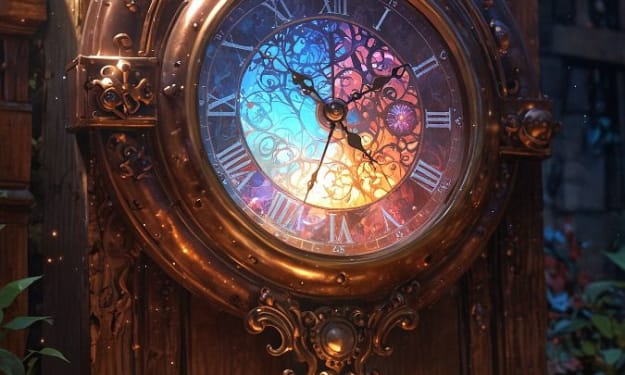
The Secret Clock
M Mehran When Ayesha turned sixty, she felt like time had betrayed her. Her joints ached, her hair had silvered, and her energy dwindled faster than she wanted to admit. “It’s downhill from here,” she sighed to her granddaughter, who only laughed. But life had a strange way of proving her wrong. One afternoon, while strolling through an old bazaar, Ayesha stepped into a tiny shop filled with books, herbs, and clocks of every size. The shopkeeper, an elderly man with sparkling eyes, greeted her. “You’ve come looking for the secret clock,” he said mysteriously. “What clock?” she asked, amused. “The one that measures how long you’ll live—not in years, but in moments you make matter.” He handed her a notebook with golden edges. Inside, it wasn’t filled with hours or dates but pages of questions: When was the last time you laughed until you cried? How often do you eat meals that nourish instead of harm you? When did you last move your body like it was a gift? The old man leaned in. “Longevity isn’t about avoiding death. It’s about adding life to your years.” Ayesha chuckled at his theatrics, but something about his words stayed with her. That night, she began answering the questions in the notebook. The more she wrote, the more she realized her life had become routine—safe, predictable, and quietly draining. The next morning, she tried something small. She brewed green tea instead of her usual sugary chai. She walked in the park instead of watching television. She called an old friend she hadn’t spoken to in years. Tiny steps, but they sparked something. Weeks turned into months, and slowly, Ayesha began to feel younger than she had in years. Her doctor noticed her blood pressure improving. Her neighbors noticed her glowing smile. And her granddaughter noticed the way she danced in the kitchen again. But Ayesha’s true revelation came one spring morning. She was sitting under a tree, watching the sunrise, when she realized she no longer feared aging. The years ahead didn’t seem like a countdown to the end—they seemed like an invitation to live deeper. She thought of the notebook’s last question: When the end finally comes, will you have lived fully enough to let go? For the first time, she could honestly answer: Yes. --- Lessons from the Secret Clock Ayesha’s story is fictional, but its lessons mirror real science about longevity. Researchers studying “Blue Zones”—regions where people live the longest, healthiest lives—have found habits that extend not just years, but quality of life. 1. Eat Simply, Live Simply. In Okinawa, Japan, elders thrive on plant-based diets filled with vegetables, beans, and fish, eating until they’re 80% full. Ayesha’s switch to lighter, nourishing meals reflects this truth: food is medicine when chosen wisely. 2. Keep Moving Naturally. None of the world’s longest-living communities rely on gyms or machines. Instead, they walk, garden, climb stairs, and stay active through daily routines. Ayesha’s morning park walks were her own version of this. 3. Stay Connected. Loneliness shortens life as much as smoking, but strong relationships keep the heart young. Ayesha’s choice to reconnect with her old friend mirrors how love and belonging are essential fuel for longevity. 4. Find Purpose. In Nicoya, Costa Rica, elders live by plan de vida—a reason to wake up each morning. Ayesha found purpose not in grand ambitions, but in small joys: dancing, laughing, caring, and being present. 5. Embrace Aging, Don’t Fear It. The healthiest elders see aging as a privilege, not a curse. They adapt, grow, and keep learning. Ayesha discovered this when she stopped counting wrinkles and started counting moments. --- A Modern Reflection Longevity isn’t about clinging desperately to youth. It’s about redesigning how we live today so tomorrow becomes worth waiting for. The “secret clock” isn’t found in an old shop—it’s ticking inside us, reminding us that time can be stretched not by more years but by more life in each year. We often chase miracle cures, anti-aging creams, or expensive supplements, but the real keys to longevity are free: movement, purpose, connection, nourishment, and joy. Imagine if each of us kept a notebook like Ayesha’s—one where instead of measuring age by birthdays, we measured it by laughter shared, kindness given, steps walked, or sunrises admired. How long would we truly live then? Longevity is not a promise of immortality. It’s an invitation. An invitation to savor, to simplify, to love, and to live so fully that when the final page of our notebook turns, we smile knowing we filled it well. So maybe the question isn’t How many years will I live? but rather How much life will I pour into my years? And the best time to start rewriting that answer—like Ayesha did—is today.
By Muhammad Mehranabout a year ago in Longevity
Can Penis Size Actually Decrease? Separating Fact from Fear
Let's be honest, guys—most men have wondered about their size at some point. It’s a common source of anxiety, often fueled by unrealistic standards and locker room talk. But one question that can trigger a real panic is the idea that your penis might actually be getting smaller.
By Epic Vibesabout a year ago in Longevity
A Scientific Look at Natural Male Vitality Supplements
The quest for sustained energy, confidence, and vitality is a common thread in modern men’s lives. In a world saturated with quick fixes and miracle cures, it’s easy to become skeptical of products that promise a revolution in men’s health. Yet, the science behind natural wellness is compelling and deserves a clear, objective conversation.
By Epic Vibesabout a year ago in Longevity
Timeless Living: How the Longest-Lived People Teach Us to Thrive
M Mehran In the quiet hills of Ikaria, Greece, mornings begin slowly. Smoke curls from chimneys, neighbors greet each other with laughter, and the scent of herbs drifts from small gardens. But the remarkable thing about Ikaria isn’t its scenery—it’s its people. Here, living past 90 isn’t rare; it’s ordinary. And yet, these centenarians aren’t just alive—they are alive with energy, curiosity, and joy. Take Eleni, a sprightly 95-year-old woman who tends her goats each morning and dances at village festivals well into the evening. “I don’t think about my age,” she says with a smile. “I think about what I will do today.” In her life, longevity isn’t a number—it’s a mindset, a rhythm that guides every meal, every movement, and every conversation. Science has begun to uncover why people like Eleni thrive. Diet is a crucial factor. In Ikaria, meals are simple: vegetables, beans, olive oil, and tea infused with local herbs. Portions are small, and food is fresh and minimally processed. But the secret isn’t just nutrition—it’s how they eat. Meals are social events, often shared with friends and family, where conversation and laughter are as important as the food itself. Purpose also plays a powerful role. Long-lived people rarely retire completely; they continue to contribute to their communities. Giorgos, a 100-year-old fisherman, still checks the nets and teaches younger villagers the rhythms of the sea. Studies show that having a reason to get up each day can significantly extend lifespan. Purpose fuels activity, mental engagement, and emotional resilience—the true pillars of longevity. Movement, too, isn’t confined to gyms. Walking, gardening, tending to animals, and dancing are part of daily routines. These aren’t exercises—they’re ways of life. In Okinawa, Japan, another longevity hotspot, elders practice gentle martial arts and cultivate gardens. In Sardinia, Italy, walking uphill is simply part of the journey to the village square. Physical activity is natural, consistent, and sustainable—exactly what science says supports long, healthy lives. Psychological health is equally critical. Long-lived individuals maintain a sense of calm, perspective, and adaptability. Stress, the silent killer, is managed through daily routines, meditation, and humor. In Ikaria, it’s common to see elders laughing together in the sun, sharing stories that bridge generations. Their resilience isn’t a secret formula; it’s a practiced lifestyle of mental balance and social connection. Social bonds, in fact, may be the most essential ingredient. Loneliness shortens life; community strengthens it. Across the world’s longevity hotspots, people live surrounded by family, friends, and neighbors. They support one another, celebrate together, and help each other through challenges. Connection, as it turns out, is not just emotional—it’s biological. Studies link strong social networks to lower risks of heart disease, cognitive decline, and mortality. Technology and medicine have advanced longevity in modern times, but the timeless lessons remain remarkably simple: eat well, move naturally, maintain purpose, manage stress, and stay connected. These aren’t trends—they’re principles embedded in everyday life by those who have mastered the art of living long and well. For ordinary people, longevity may feel unattainable, but the truth is small, intentional choices compound over time. Walking instead of driving, cooking fresh meals, spending time with loved ones, learning new skills, or engaging in meaningful work can all add years and quality to life. It’s not about perfection—it’s about consistency. Longevity is more than years; it’s vitality, presence, and engagement. Eleni’s life, like many long-lived people, teaches us that age doesn’t limit experience—it enhances it. Every conversation, meal, or stroll is a chance to nurture the body, mind, and soul. To live longer, it seems, is simply to live wisely, fully, and with intention. In a world obsessed with quick fixes and eternal youth, the true secret of longevity is timeless: a balanced life, purpose-driven actions, deep connections, and the courage to embrace each day. The long-lived are not exceptions; they are reminders that thriving across decades is a craft—one we can all practice, starting today. And perhaps, the greatest lesson is this: living longer isn’t about escaping death. It’s about truly savoring life, adding richness to every moment, and making every year count. Longevity is a gift, but like all gifts, it is realized only when we open it fully.
By Muhammad Mehranabout a year ago in Longevity
The One Silent Habit More Dangerous Than Smoking, Says a 102-Year-Old Doctor (And How to Break It)
You take care of yourself. You might choose a salad over fast food, opt for a mocktail at happy hour, and even hit the gym a few times a week. We all know the usual suspects when it comes to health risks: smoking, excessive drinking, a poor diet.
By Epic Vibesabout a year ago in Longevity
The One Silent Habit More Dangerous Than Smoking, Says a 102-Year-Old Doctor (And How to Break It)
You take care of yourself. You might choose a salad over fast food, opt for a mocktail at happy hour, and even hit the gym a few times a week. We all know the usual suspects when it comes to health risks: smoking, excessive drinking, a poor diet.
By Epic Vibesabout a year ago in Longevity
The Psychophysiological Stressor We Think We Have Mastered... But Probably Are Doing Completely Wrong
We Do it 7.5 Million Times Per Year on Average. It Impacts Nearly Every Part of Our Lives. In Fact... You would likely Die within 6 Minutes if You Did Not Do It.
By H.E. Dr. Cody Dakota Wooten, COIE, DFM, DHMabout a year ago in Longevity
The Art of Micro-Pauses: Finding Stillness Between Daily Tasks
We often think of meditation as something reserved for a cushion, a quiet room, or a long stretch of uninterrupted time. But life rarely gives us those perfect conditions. Deadlines, family responsibilities, constant notifications, and the endless rhythm of “what’s next?” leave us believing that presence can only happen later, once the to-do list is finished. The truth, however, is that stillness is available in the smallest slices of time—what we might call micro-pauses.
By Victoria Marseabout a year ago in Longevity
How to Be a Calm in the Storm: Recognising a Panic Attack in Public and Offering Help
You’re in a queue at the supermarket, waiting for a train, or simply walking through a park. Suddenly, the person next to you seems to be in profound distress. They might be clutching their chest, breathing rapidly, or looking around with sheer terror in their eyes. Your first instinct might be concern, but it’s often followed by uncertainty. What’s happening? Is it a medical emergency? What should I do?
By Epic Vibesabout a year ago in Longevity
Understanding the Posterior Annular Tear: Your Path to Pain Relief and Healing
If you’ve ever felt a sharp, persistent pain in your lower back, perhaps shooting down your leg, you know how debilitating it can be. It can turn simple tasks like tying your shoes or getting out of a car into monumental challenges. Often, this kind of pain is brushed off as a simple "bad back," but sometimes, the culprit is something more specific: a posterior annular tear.
By Epic Vibesabout a year ago in Longevity