body
Love the body you're in with recipes, fitness, meditation, and everything needed to live a long and happy life.
How to Use Meditation for Creative Burnout Recovery
Creative burnout doesn’t just drain your energy—it can make you question your identity. When your ideas dry up, your motivation disappears, and your passion feels like a distant memory, it’s more than just being tired. It’s a kind of emotional exhaustion that touches the soul.
By Marina Gomezabout a year ago in Longevity
Take care of your physical and mental health
Have you been feeling stressed lately? You’re not alone. Many people feel overwhelmed by too many responsibilities, endless commitments, and not enough hours in the day. But constant stress is no small matter—it can harm both your body and your emotional well-being, especially if, like many women, you’re a mother or caregiver.
By Carlos Rechyabout a year ago in Longevity
Top Myths About Sports Physiotherapy You Need to Stop Believing
If you're looking for sports physiotherapy in Milton, or want to learn about the benefits of visiting the best physiotherapy Milton clinics, it's time to set the record straight. Let’s debunk some of the most common myths about sports physiotherapy.
By Archived Userabout a year ago in Longevity
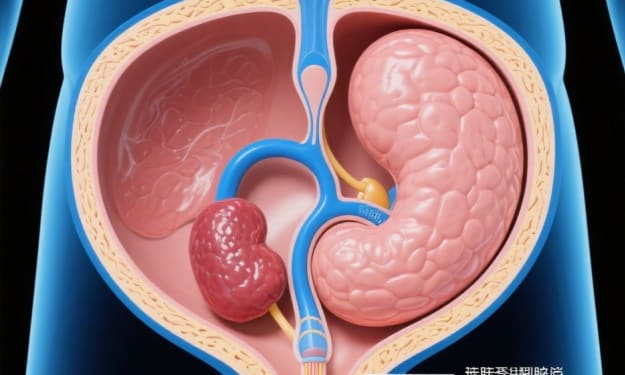
Prostate Health and Benign Enlargement: Causes, Symptoms, and a Complete Natural Guide. AI-Generated.
The prostate gland is a vital part of the male body, playing a key role in reproductive and urinary functions. As men age, many face a common issue known as Benign Prostatic Hyperplasia (BPH)—a non-cancerous enlargement of the prostate that can significantly affect quality of life due to its symptoms. In this article, we’ll explore the causes and effects of prostate enlargement, the roles of hormones and nutrients, and the best natural strategies to maintain a healthy prostate. --- What Is Benign Prostatic Hyperplasia (BPH)? BPH simply refers to the enlargement of the prostate gland, which is located below the bladder and surrounds the urethra. As it grows, it can press against the urethra, causing: Frequent urination, especially at night Difficulty starting or maintaining urination Weak urine stream Feeling of incomplete bladder emptying Sometimes, urinary retention These symptoms can reduce quality of life, particularly for older men. Around 50% of men over 60 have BPH, and this rises to 90% in men over 80. --- Location and Function of the Prostate The prostate is situated just below the bladder and encircles the urethra. Normally, it's about the size of a walnut, but it can grow significantly with age. The prostate's main functions are: Producing fluid that forms part of semen, nourishing and protecting sperm Acting as a muscle that helps propel semen during ejaculation --- Hormones and Prostate Enlargement Testosterone and Dihydrotestosterone (DHT) Testosterone is responsible for male traits like muscle and hair growth. It's converted into DHT by the enzyme 5-alpha reductase. Elevated DHT levels contribute to prostate enlargement and hair loss. Some medications inhibit this enzyme to lower DHT. Estrogen’s Role Estrogen is formed by the conversion of testosterone via the enzyme aromatase. As men age and body fat increases, aromatase activity rises, boosting estrogen levels. Estrogen stimulates prostate enlargement and increases prolactin, which also affects prostate growth. Aromatase activity can be naturally reduced by eating cruciferous vegetables (like cabbage and broccoli), cooked mushrooms, and lemon peel. --- Nutrition and Prostate Health Tomatoes: Rich in lycopene, a powerful antioxidant that helps reduce prostate cancer risk. Lycopene is absorbed better from cooked tomatoes (sauce, paste). Cruciferous Vegetables: Broccoli, cauliflower, cabbage, Brussels sprouts contain compounds that help protect against prostate cancer. Berries: Strawberries, blueberries, raspberries are high in antioxidants and reduce inflammation. Fatty Fish: Salmon and sardines are rich in omega-3, which fights inflammation. Nuts: Almonds, walnuts, and Brazil nuts offer healthy fats and vitamins. Green Tea: Contains strong antioxidants like EGCG. Zinc: Essential for prostate health, inhibits 5-alpha reductase, and boosts testosterone. Zinc deficiency is linked to BPH, inflammation, and prostate cancer. --- Zinc and the Prostate The prostate holds over 100x more zinc than blood plasma. Research shows zinc deficiency is associated with prostate enlargement, inflammation, and even cancer. Causes of deficiency include: low intake of red meat, excess whole grains (due to phytic acid), low stomach acid, certain medications, alcohol, and sugar. Best sources: oysters and grass-fed red meat. --- Vitamin D’s Role Vitamin D deficiency is linked to prostate enlargement and its symptoms. Taking 2,000–6,000 IU/day may help reduce prostate size and improve symptoms. Absorption is best with food or fats. Sunlight exposure is also a key source. Vitamin D boosts immunity and reduces inflammation. --- Chronic Pelvic Pain Syndrome (CPPS) Pelvic floor muscle imbalance caused by poor posture, obesity, weak core muscles, or trauma can lead to chronic inflammation of the prostate. Symptoms mimic bacterial prostatitis, though no infection is present. Many doctors prescribe antibiotics or NSAIDs without results. Effective treatment involves pelvic floor strengthening and stretching exercises. --- Recommended Pelvic Floor Exercises Stretches and strengthening like frog pose, leg openings, and knee lifts These exercises relieve pressure and enhance blood flow to the prostate Regular practice can greatly improve BPH symptoms --- General Tips for Prostate Health Avoid sitting too long, especially on narrow seats (e.g., bicycles) Reduce processed foods, sugar, and fast food Maintain a healthy weight and reduce excess body fat Get quality sleep regularly Exercise consistently Monitor zinc and vitamin D levels See your doctor regularly if urinary symptoms appear --- Conclusion Prostate health is influenced by hormones, diet, and lifestyle. Understanding the role of testosterone, DHT, estrogen, and nutrients like zinc and vitamin D can help prevent or treat BPH. A balanced diet rich in cruciferous vegetables, cooked tomatoes, berries, fatty fish, and nuts—along with pelvic floor exercises and proper nutrient levels—can support prostate health and improve quality of life.
By Omer Mohammedabout a year ago in Longevity
How to Stay Sharp and Improve Your Memory—No Matter Your Age
Have you ever walked into a room and then just stood there wondering why you entered? Or attempted to recall someone's name just moments after meeting them? Memory blips are a occupational hazard of life, but they're infuriating and sometimes terrifying. The good news? No matter your age, you can take simple, effective steps to strengthen your memory, enhance recall, and keep your mind sharp as a tack.
By Velma Lovemoreabout a year ago in Longevity
How to Sit with Sadness Without Drowning in It
Sadness is a natural and essential part of the human experience. It reminds us of what matters and invites reflection. Yet, when sadness feels overwhelming, many people try to push it away or numb it, fearing they might “drown” in their emotions.
By Black Markabout a year ago in Longevity
Inner Child Meditation: Healing Through Stillness
Many of us carry emotional wounds from childhood that shape our adult lives—sometimes quietly, sometimes powerfully. These early experiences influence how we relate to ourselves and others, often without our conscious awareness.
By Victoria Marseabout a year ago in Longevity
From Rage to Calm: Breath as an Emotional Regulator
Anger can hit like a storm—hot, overwhelming, and sometimes uncontrollable. When rage takes over, it’s easy to feel disconnected from reason, compassion, and even yourself. But what if something as simple as your breath could help you shift from fury to calm?
By Marina Gomezabout a year ago in Longevity
Is Obesity a Disease or a Lifestyle Issue?
Obesity rates are rising rapidly across the globe, with the World Health Organization estimating that over 650 million adults are clinically obese. As waistlines expand, so does the debate: Should obesity be officially recognized as a disease rather than just a condition caused by lifestyle choices?
By Lucy watsonabout a year ago in Longevity