body
Love the body you're in with recipes, fitness, meditation, and everything needed to live a long and happy life.
5 Habits That Are Sabotaging Your Sleep
Sleep is a vital component of overall well-being, yet many people struggle to get quality rest due to various factors. While external factors like stress and noise can affect sleep, it's important to recognize that certain habits we engage in can also disrupt our ability to fall asleep and stay asleep. In this article, we'll explore five common habits that may be sabotaging your sleep and offer tips on how to overcome them.
By Samuel James3 years ago in Longevity
Best Exercises for Healthy Eyesight: Enhancing Vision Naturally
Are you tired of straining your eyes due to excessive screen time? Do you want to maintain optimal eye health and enhance your vision naturally? Look no further! In this comprehensive article, we will explore the best exercises for healthy eyesight. By incorporating these exercises into your daily routine, you can take proactive steps to safeguard your vision and promote long-term eye health.
By Manoj Kumar3 years ago in Longevity
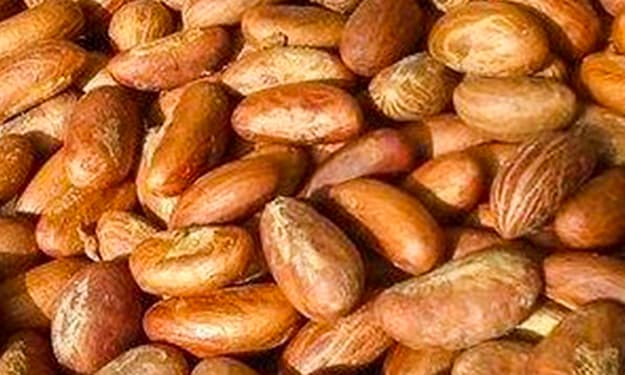
Exploring the Therapeutic Potential of Frequent Bitter Kola Consumption
Exploring the Therapeutic Potential of Frequent Bitter Kola Consumption An Analysis of Diseases and Health Benefits Bitter kola, scientifically known as Garcinia kola, is a tropical plant native to West Africa. It has long been recognized for its medicinal properties and cultural significance in traditional medicine. In recent years, there has been growing interest in the potential health benefits of bitter kola, particularly regarding its ability to treat various diseases. This article aims to explore the therapeutic potential of chewing bitter kola frequently and its effects on several health conditions. Cardiovascular Health Cardiovascular diseases, such as hypertension and heart disease, are a significant global health concern. Bitter kola contains compounds with antioxidant and anti-inflammatory properties, which have shown potential in promoting cardiovascular health. Research suggests that regular consumption of bitter kola may help lower blood pressure, reduce cholesterol levels, and improve overall heart function. However, further studies are needed to determine optimal dosage and long-term effects. Digestive Disorders Digestive disorders, including indigestion, constipation, and diarrhea, can significantly impact one's quality of life. Bitter kola has traditionally been used to alleviate these conditions due to its antimicrobial and anti-inflammatory properties. Chewing bitter kola stimulates the production of digestive enzymes, aids in digestion, and helps combat harmful bacteria in the gut. While bitter kola shows promise as a natural remedy for digestive disorders, more research is necessary to establish its effectiveness and safety. Respiratory Health Respiratory illnesses, such as asthma, bronchitis, and coughs, can cause significant discomfort and impair daily activities. Bitter kola has been traditionally used to relieve respiratory symptoms due to its expectorant and bronchodilator properties. The plant's active compounds may help reduce inflammation in the airways and alleviate coughing. Nevertheless, clinical trials are needed to validate these traditional uses and determine appropriate dosages. Immune System Boost A robust immune system is essential for fighting off infections and maintaining overall health. Bitter kola contains phytochemicals that possess immunomodulatory effects, potentially enhancing immune function. Regular consumption of bitter kola may strengthen the immune system, making individuals more resistant to pathogens and reducing the risk of certain infections. However, more studies are needed to elucidate the specific mechanisms and long-term effects. Potential Side Effects and Precautions While bitter kola shows promise in treating various health conditions, it is important to consider potential side effects and precautions. Excessive consumption of bitter kola may lead to gastrointestinal disturbances, including nausea and stomach upset. Additionally, bitter kola contains caffeine and should be avoided by individuals sensitive to its effects. Pregnant women, individuals with pre-existing medical conditions, and those taking medications should consult their healthcare providers before incorporating bitter kola into their routine. Bitter kola holds potential as a natural remedy for several health conditions. While research suggests its efficacy in treating cardiovascular issues, digestive disorders, respiratory ailments, and boosting the immune system, further studies are necessary to establish optimal dosages, long-term effects, and overall safety. bitter kola presents intriguing possibilities as a natural remedy for various health conditions. Preliminary research indicates its potential effectiveness in treating cardiovascular issues, digestive disorders, respiratory ailments, and enhancing the immune system. However, it is crucial to approach these findings with caution, as more extensive studies are required to determine optimal dosages, long-term effects, and potential risks. While bitter kola's therapeutic properties are promising, individuals should consult healthcare professionals before incorporating it into their routine, especially if they have underlying medical conditions or are taking medications. Further research will shed more light on bitter kola's therapeutic potential and its role in modern medicine. Furthermore, it is important to acknowledge that while bitter kola has been traditionally used for centuries, its efficacy and safety have not been extensively studied in modern scientific research. The information available on bitter kola's potential health benefits is still limited, and anecdotal evidence should be interpreted with caution. It is advisable to approach bitter kola as a complementary approach rather than a standalone treatment. As with any natural remedy, it is crucial to maintain open communication with healthcare professionals and rely on evidence-based practices for the management of diseases. Continued scientific exploration will provide a clearer understanding of bitter kola's therapeutic properties and its potential integration into healthcare practices.
By Bridget Dyke3 years ago in Longevity
Optimal Morning Food Combinations for Enhanced Strength in Your 40s and 50s
Morning food combination you should eat in your 40, or 50s to give you more strength Optimal Morning Food Combinations for Enhanced Strength in Your 40s and 50s As we age, it becomes increasingly important to prioritize our nutritional needs, especially in the morning when we set the tone for the rest of the day. Consuming the right combination of foods can provide the necessary nutrients and energy to support strength and vitality. In this article, we will explore optimal morning food combinations for individuals in their 40s and 50s, focusing on nutrient-dense foods that promote muscle strength, energy levels, and overall well-being. Protein-Rich Foods Including protein-rich foods in your morning meal is essential for maintaining muscle mass and promoting strength. As we age, muscle protein synthesis becomes less efficient, making protein intake crucial for preserving and building muscle. Good sources of protein include eggs, Greek yogurt, cottage cheese, lean meats, and plant-based options such as legumes, tofu, and tempeh. Pairing protein-rich foods with complex carbohydrates, such as whole grains or vegetables, helps provide sustained energy and aids in muscle recovery. Healthy Fats Incorporating healthy fats into your morning meal can provide a steady source of energy and support overall well-being. Healthy fat sources include avocados, nuts and seeds, nut butter, and extra virgin olive oil. These fats not only contribute to satiety but also aid in the absorption of fat-soluble vitamins. Combining healthy fats with protein and fiber-rich foods, such as adding nut butter to whole grain toast or sprinkling seeds on top of a yogurt bowl, can help create a balanced and nourishing breakfast. Fiber-Packed Foods Including fiber in your morning meal offers multiple benefits, including improved digestion, blood sugar control, and enhanced satiety. High-fiber foods help regulate the release of glucose into the bloodstream, providing a steady supply of energy throughout the day. Whole grains, such as oatmeal or whole wheat bread, along with fruits, vegetables, and chia seeds, are excellent sources of dietary fiber. Combining fiber-rich foods with protein and healthy fats ensures a well-rounded meal that supports strength and stamina. Antioxidant-Rich Foods Consuming antioxidant-rich foods in the morning can help combat oxidative stress, reduce inflammation, and support overall health. Berries, such as blueberries, strawberries, and raspberries, are packed with antioxidants and can be added to smoothies, yogurt bowls, or oatmeal. Dark leafy greens, like spinach or kale, are also rich in antioxidants and can be incorporated into omelets or breakfast salads. Pairing antioxidant-rich foods with protein and healthy fats provide a nutrient-dense breakfast that supports strength and vitality. Hydration Starting your day with proper hydration is essential for optimal bodily functions, including muscle performance and energy levels. Adequate water intake supports joint lubrication, nutrient transport, and temperature regulation. Consider having a glass of water upon waking and incorporating hydrating foods like fruits and vegetables into your morning meal. Herbal teas or infused water can also provide hydration while adding flavor and variety to your morning routine. As individuals enter their 40s and 50s, prioritizing the right morning food combinations can significantly contribute to strength and vitality. Incorporating protein-rich foods, healthy fats, fiber-packed foods, antioxidant-rich foods, and staying hydrated are key factors in promoting muscle strength, energy levels, and overall well-being. By creating balanced meals that combine these essential nutrients, individuals can set themselves up for a productive and energized day. Remember to listen to your body's unique needs, make adjustments as necessary, and consult with a healthcare professional or registered dietitian for personalized guidance. adopting optimal morning food combinations can provide individuals in their 40s and 50s with the necessary nutrients to enhance strength and overall well-being. By incorporating protein-rich foods, healthy fats, fiber-packed options, antioxidant-rich choices, and maintaining proper hydration, you can support muscle health, and energy levels, and promote a balanced lifestyle. It's important to listen to your body, make adjustments based on personal preferences and dietary needs, and seek guidance from healthcare professionals when necessary. Remember, a nutritious morning meal sets the stage for a productive and empowered day, ensuring you have the strength and vitality to tackle life's challenges.
By Bridget Dyke3 years ago in Longevity
Five Common Drinks That Can Contribute to Weight Gain
Five Common Drinks That Can Contribute to Weight Gain In today's fast-paced world, many people are concerned about their weight and overall health. While attention is often focused on food choices, it's important not to overlook the potential impact of beverages on weight management. In this article, we will explore five common drinks that can contribute to weight gain. By understanding their nutritional content and potential effects on the body, you can make more informed choices about what you consume. Sugar-Sweetened Beverages Sugar-sweetened beverages are one of the primary culprits when it comes to weight gain. These include sodas, fruit juices, energy drinks, and sweetened iced teas. The high sugar content in these drinks contributes excess calories without providing essential nutrients. Regular consumption of sugar-sweetened beverages has been linked to weight gain, increased risk of obesity, and associated health problems like type 2 diabetes and cardiovascular disease. These drinks can also lead to increased appetite and a tendency to overeat, further exacerbating weight gain. Alcoholic Beverages Alcoholic beverages, such as beer, wine, and spirits, can also contribute to weight gain when consumed excessively. Alcohol is calorically dense, containing almost twice as many calories per gram as carbohydrates or protein. Moreover, alcohol impairs judgment and inhibitions, which can lead to poor food choices and overeating. Excessive alcohol consumption can also disrupt metabolism, leading to increased fat storage and reduced fat burning. Additionally, mixers and cocktails often contain added sugars, further increasing the calorie content of alcoholic drinks. Specialty Coffee Drinks While a simple cup of black coffee is virtually calorie-free, specialty coffee drinks like flavored lattes, mochas, and frappuccinos can be a hidden source of extra calories. These drinks often contain whole milk, whipped cream, flavored syrups, and sugary toppings, significantly increasing their calorie content. Moreover, the large portion sizes offered by many coffee chains contribute to excessive calorie consumption. Regularly indulging in these calorie-laden coffee beverages can lead to weight gain and the associated health risks. Smoothies Smoothies are often perceived as a healthy choice due to their association with fruits and vegetables. However, commercially prepared smoothies can be loaded with added sugars, fruit juice concentrates, and high-fat dairy products, all of which contribute to increased calorie intake. Additionally, the blending process breaks down the fiber in fruits, making it easier to consume more calories in a short amount of time. While homemade smoothies using whole fruits, vegetables, and minimal added sugars can be a nutritious option, it's essential to be mindful of portion sizes and ingredients when consuming smoothies. Sports and Energy Drinks Sports and energy drinks are marketed as beverages that can enhance athletic performance and provide an energy boost. However, these drinks are typically high in sugar and calories. Unless you are engaging in intense physical activity or endurance training, these drinks are unnecessary and can contribute to weight gain. Additionally, the caffeine content in energy drinks can lead to increased heart rate and insomnia, which may disrupt sleep patterns and further impact weight management. Beverages can often be overlooked as a potential source of weight gain. Sugar-sweetened beverages, alcoholic drinks, specialty coffee drinks, smoothies, and sports and energy drinks are among the common culprits when it comes to excess calorie consumption. Being mindful of your beverage choices and opting for healthier alternatives like water, unsweetened tea, or low-calorie options can significantly contribute to weight management efforts. Remember, moderation and balance are key to maintaining a healthy lifestyle and achieving your weight goals,being aware of the potential impact of beverages on weight gain is crucial for maintaining a healthy body weight. By making informed choices and being mindful of the calorie content in common drinks, you can avoid unnecessary weight gain and reduce the risk of associated health problems. Opting for healthier alternatives and practicing moderation when consuming sugary or high-calorie beverages is a practical approach to managing weight. Remember, achieving a balanced diet that includes nourishing foods and hydrating with low-calorie or calorie-free beverages like water is key to maintaining a healthy weight and overall well-being.
By Bridget Dyke3 years ago in Longevity
Benefits Of Drinking The Liquid From Boiled Green Bananas
Benefits of drinking the liquid from boiled green bananas The liquid obtained from boiling green bananas, commonly known as banana tea, is a beverage that has gained popularity in recent years due to its potential health benefits. While there is limited scientific research specifically focused on banana tea, it is believed to offer several advantages based on the nutritional content of green bananas. In this article, we will explore the potential benefits of drinking the liquid from boiled green bananas in detail. Nutrient-rich: Green bananas are a good source of essential nutrients such as potassium, magnesium, vitamin C, and dietary fiber. When the bananas are boiled, these nutrients leach into the liquid, making banana tea a potentially nutrient-rich beverage. These nutrients play vital roles in supporting various bodily functions, including cardiovascular health, nerve function, and digestive health. Improved sleep: Banana tea is often touted for its potential to promote relaxation and improve sleep quality. This is primarily attributed to the presence of certain compounds, such as magnesium and tryptophan, in green bananas. Magnesium is known for its calming effects on the nervous system, while tryptophan is an amino acid precursor to serotonin, a neurotransmitter that helps regulate sleep and mood. Consuming banana tea before bed may contribute to better sleep and overall sleep quality. Digestive health: The high fiber content in green bananas can aid in promoting healthy digestion. Fiber adds bulk to the stool, preventing constipation and promoting regular bowel movements. Additionally, the pectin found in bananas has prebiotic properties, which means it serves as a food source for beneficial gut bacteria. These bacteria help maintain a healthy gut microbiome, which is essential for optimal digestion and overall gut health. Blood sugar regulation: Green bananas have a lower glycemic index compared to ripe bananas, meaning they have a smaller impact on blood sugar levels. The soluble fiber in green bananas slows down the absorption of glucose in the bloodstream, preventing rapid spikes in blood sugar. As a result, consuming banana tea may be beneficial for individuals with diabetes or those who want to maintain stable blood sugar levels. Heart health: Potassium, a mineral abundant in green bananas, is crucial for maintaining a healthy heart. Potassium helps regulate blood pressure by counteracting the effects of sodium and promoting vasodilation (widening of blood vessels). By including banana tea in your diet, you can increase your potassium intake and potentially support heart health. Weight management: Green bananas contain resistant starch, which is a type of carbohydrate that resists digestion in the small intestine. Instead, it reaches the large intestine, where it acts as a source of nutrition for beneficial gut bacteria. Resistant starch has been linked to increased satiety, reduced appetite, and improved weight management. By drinking banana tea, you can potentially reap the benefits of resistant starch and support your weight management goals. Antioxidant properties: Bananas, including green ones, contain various antioxidants such as dopamine and vitamin C. These antioxidants help neutralize harmful free radicals in the body, which can reduce oxidative stress and inflammation. Regular consumption of antioxidant-rich foods and beverages like banana tea may contribute to overall health and protect against chronic diseases. Hydration: The liquid obtained from boiling green bananas can serve as a hydrating beverage. It is a natural and flavorful alternative to plain water and can be enjoyed hot or cold. Staying properly hydrated is essential for maintaining optimal bodily functions, supporting healthy skin, and facilitating nutrient transport throughout the body. While banana tea offers potential benefits, it is essential to note that individual responses may vary, and more scientific research is needed to establish concrete evidence for these claims. Additionally, it is crucial to consider potential allergies or sensitivities to bananas before incorporating banana tea into your diet. In conclusion, drinking the liquid from boiled green bananas, or banana tea, may provide various potential health benefits. From its nutrient-rich composition to its potential positive effects on sleep, digestion, blood sugar regulation, heart health, weight management, and antioxidant properties, banana tea is a beverage worth considering. However, it is always advisable to consult with a healthcare professional or registered dietitian before making significant changes to your diet or incorporating new beverages.
By Bridget Dyke3 years ago in Longevity
The High Cost of Overworking: Burnout and Mental Health
In today's fast-paced work culture, overworking has become a norm. Many people think that working long hours and sacrificing personal life is the key to success. However, the bitter truth is that overworking can take a toll on one's mental health, leading to burnout, anxiety, and depression. The high cost of overworking is not just limited to an individual's wellbeing but also affects the overall productivity of an organization. In this article, we will discuss the repercussions of overworking, its impact on mental health, and how to prevent burnout.
By Isaac Awuah3 years ago in Longevity
Achieving Optimal Health: The Key to Healthy Blood Flow, Overcoming Sugar Cravings, and Deep, Rejuvenating Sleep
Introduction In our fast-paced world, where stress, sedentary lifestyles, and unhealthy dietary choices prevail, maintaining a healthy body and mind can be a challenge. Three essential aspects of well-being often overlooked are healthy blood flow and circulation, overcoming sugar and junk food cravings, and achieving deep, rejuvenating sleep. In this blog, we will explore the significance of these factors and provide practical tips to enhance them for a vibrant and fulfilling life.
By Nick theodorou3 years ago in Longevity
International Yoga Day- About Today
Yoga is an ancient Indian holistic practice that has been passed down through generations. It includes physical, mental, and spiritual aspects to promote general well-being and harmony. The term "yoga" is derived from the Sanskrit term "yuj", which means "to join or unite."
By PearlyJasmine3 years ago in Longevity