body
Love the body you're in with recipes, fitness, meditation, and everything needed to live a long and happy life.
The Ultimate Guide to Weight Loss Tools: Apps, Wearables, and Online Support Groups
Introduction Losing weight can be a challenging and often frustrating journey. However, the right tools can provide structure, motivation, and support, making your path to a healthier lifestyle much smoother. With advances in technology, we now have access to powerful apps, wearables, and online communities designed to help you stay on track.
By Charles Funk2 years ago in Longevity
Health Benefit of Vital Proteins Collagen Peptides Powder - Grass Fed Collagen Peptides for Hair, Nail, Skin, Bone & Joint Health,
Introduction In the quest for vibrant health and youthful beauty, Vital Proteins Collagen Peptides Powder stands out as a powerhouse supplement. Derived from grass-fed collagen, this product supports everything from hair, nail, and skin health to bone and joint wellness. With its clean, high-quality ingredients, it has become a popular choice for both men and women looking to enhance their overall well-being naturally.
By Md Obydur Rahman2 years ago in Longevity
Dave Coulier Celebrates Being Cancer-Free After Battling Non Hodgkin Lymphoma
The “Full House” star shares uplifting health update five months after his diagnosis. A Joyful Announcement: Dave Coulier Declared Cancer-Free Five months after revealing his stage 3 non-Hodgkin lymphoma diagnosis, actor and comedian Dave Coulier has shared inspiring news: he is officially cancer-free. The 65-year-old star, best known for his role as Joey Gladstone on Full House, confirmed the update through his representative on March 31, 2025. His former co-star Candace Cameron Bure (D.J. Tanner) amplified the celebration with a heartfelt Instagram post, writing, “DAVE IS CANCER FREE!!!! Let’s shower him with love!” The announcement comes after months of challenging treatments and emotional ups and downs for Coulier and his family. Fans and friends worldwide have rallied behind the actor, celebrating his strength and perseverance. The Diagnosis: A Shocking Discovery In October 2024, Coulier noticed unusual swelling in his lymph nodes while recovering from an upper respiratory infection. Medical tests soon revealed a stage 3 non-Hodgkin lymphoma diagnosis. This type of cancer affects the lymphatic system, a critical part of the body’s immune defenses. Speaking to Parade in March 2025, Coulier reflected on the moment he received the news. “It hit hard, but I knew I had to stay strong—not just for myself, but for my wife Melissa,” he shared. The couple leaned on each other during the initial shock, focusing on hope and positivity. The Road to Recovery: Chemo, Scans, and Small Victories Coulier began chemotherapy shortly after his diagnosis, a process he described as a “roller coaster.” In early 2025, he underwent a biopsy on a lymph node in his neck. Waiting a week for results felt like “forever,” he admitted. But the outcome was worth the wait: doctors found no trace of cancer. A follow-up CAT scan later confirmed the good news. “Hearing ‘zero’ cancer was one of the best moments of my life,” Coulier said. Though treatments left him fatigued and occasionally unwell, he emphasized the importance of celebrating small wins. “Some days were rough, but on the good days, we’d dance with our dogs or laugh together. Those moments kept us going.” Family and Friends: A Pillar of Support Coulier’s wife, Melissa, stood by him throughout his journey. In a January 2025 interview, she opened up about the challenges. “The chemo side effects got tougher over time,” she said. “But Dave’s humor and positivity never faded. Even on his worst days, he’d crack a joke or playfully imitate someone to lift our spirits.” His Full House family also rallied around him. Candace Cameron Bure’s Instagram post included photos of the duo on set and during recent outings, captioning one image, “Celebrating my friend’s strength and victory!” Co-stars like John Stamos and Bob Saget’s widow, Kelly Rizzo, also shared supportive messages online. Inspired by Family Strength Coulier’s fight against cancer was deeply personal. His family has faced the disease multiple times: his mother, sister Sharon, and niece Shannon all battled breast cancer. His older sister Karen is currently undergoing treatment as well. “Watching the women in my family fight cancer taught me what real strength looks like,” Coulier said. “If I could be even a fraction as brave as they were, I knew I’d make it.” Their resilience became his motivation, especially during moments of doubt. Life After Cancer: Gratitude and New Perspectives Now cancer-free, Coulier is focused on rebuilding his energy and cherishing life’s simple joys. “Today, I finally feel like myself again,” he told Parade. “It’s a day to celebrate.” He also hopes his story encourages others to prioritize health. “Listen to your body. If something feels off, get it checked,” he urged. Regular screenings and early action, he believes, can save lives. A Message of Hope Dave Coulier’s journey highlights the power of positivity, love, and medical resilience. From diagnosis to recovery, his openness about the challenges of cancer has inspired countless fans. As Melissa put it, “Cancer isn’t a solo battle—it takes a team. And we’re so grateful for ours.” The actor plans to return to comedy and acting soon but is taking time to rest and enjoy life with family. For now, his message is clear: “No matter how dark it gets, there’s always light ahead. Keep fighting, keep laughing, and never lose hope.”
By Akrang Raja 2 years ago in Longevity
30 Days Without Sugar and Carbs
If you are a month without sugar and carbohydrates, you will want to try different things. We all eat sweet things, and we all eat carbohydrates as rice and bread. But do you know what is so good for your body if you do not eat these things for a month? Let's talk about it simply.
By Rohitha Lanka2 years ago in Longevity
How Mild COVID-19 Impacts Heart Health: What New Research Reveals
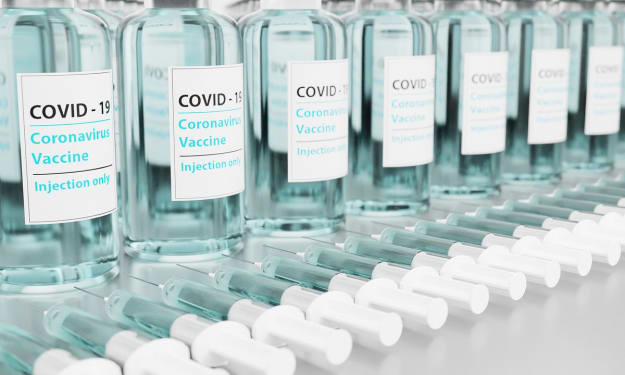
Even mild cases of COVID-19 might have a lingering effect on heart health, according to recent research. A study from Brazil highlights how the virus could temporarily disrupt the body’s ability to regulate heart rate, with effects lasting up to six months particularly in older adults. Let’s break down what this means and why it matters. Understanding Heart Rate Variability (HRV) Heart rate variability (HRV) measures the slight changes in time between each heartbeat. A higher HRV typically signals a healthy, adaptable heart that can respond well to stress. It reflects how well the autonomic nervous system the part of the body that controls involuntary functions like breathing and heart rate is working. This system has two branches:Sympathetic (“Fight or Flight”): Activates during stress or danger.Parasympathetic (“Rest-and-Digest”): Helps the body relax and recover. When these systems are balanced, the heart responds smoothly to challenges. But infections like COVID-19 might throw this balance off. The Study: Tracking COVID-19’s Impact Over Time Researchers from Brazilian universities compared adults who had mild COVID-19 with healthy individuals who hadn’t been infected. Here’s how the study worked: Participants: 130 adults were divided into four groups: Group 1 (G1): Tested 1–6 weeks after recovery. Group 2 (G2): Tested 2–6 months after recovery. Group 3 (G3): Tested 7–12 months after recovery. Control Group (CG): Healthy individuals assessed before the pandemic. All COVID-19 survivors had mild symptoms (e.g., cough, fatigue, loss of taste/smell) and didn’t require hospitalization. People with chronic conditions like heart disease or diabetes were excluded. Key Findings: How COVID-19 Affects Heart Health Short-Term Effects (1–6 Months Post-Infection) Reduced HRV: Both G1 and G2 showed lower HRV compared to the control group, indicating their autonomic nervous systems were under stress. Sympathetic Dominance: These groups had higher “fight or flight” activity, linked to faster heart rates and reduced recovery ability.Persistent Symptoms: G1 reported more fatigue, anxiety, and headaches, with 35% having high blood pressure and 41% obesity factors that may worsen HRV. Long-Term Recovery (7–12 Months Post-Infection) Improvement in G3: By 7–12 months, HRV levels began to normalize. This group showed better parasympathetic activity (“rest-and-digest”) and lower stress signals. Age Matters: Older adults experienced slower recovery. For every year of age, HRV recovery time increased slightly. Other Risk FactorStress, obesity, and high blood pressure were linked to poorer HRV outcomes. Vaccination status didn’t significantly impact results, though most unvaccinated individuals were in G1 (early recovery group). Why Does This Happen? COVID-19 is known to cause inflammation, which might disrupt nerve function or damage tissues involved in heart rate regulation. Even after the virus clears, the body’s stress response could remain heightened, especially in older adults or those with pre-existing conditions. What Does This Mean for Long-Term Health? While the study suggests most people recover within a year, the temporary drop in HRV highlights the importance of monitoring heart health post-COVID. Reduced HRV is associated with higher risks of heart disease, anxiety, and fatigue. For vulnerable groups like older adults this could mean: Longer recovery times. Increased need for lifestyle adjustments (e.g., stress management, exercise). Limitations and Future Research This study had a small sample size and didn’t track the same individuals over time. Larger, long-term studies are needed to confirm: How variants or repeat infections affect HRV. Whether lifestyle changes (e.g., meditation, aerobic exercise) speed up recovery. The role of medications in managing post-COVID heart health. Practical Takeaways 1.Monitor Symptoms: If you’ve had COVID-19, watch for dizziness, palpitations, or prolonged fatigue. 2.Prioritize Recovery: Gentle exercise, quality sleep, and stress reduction (e.g., yoga, deep breathing) may support autonomic balance. 3.Consult a Doctor: Those with high blood pressure, obesity, or heart concerns should seek personalized advice. Conclusion Mild COVID-19 can temporarily disrupt the body’s ability to regulate heart rate, with effects lasting several months. However, most people regain normal function within a year. Older adults and those with chronic health issues should be especially mindful of their recovery. As research evolves, these insights remind us that even mild infections deserve attention and that supporting overall health remains key. Further studies will help clarify how to best protect heart health in a post-pandemic world. For now, staying informed and proactive is a great first step.
By Akrang Raja 2 years ago in Longevity