body
Love the body you're in with recipes, fitness, meditation, and everything needed to live a long and happy life.
Replacement. Honorable Mention in The Life-Extending Conundrum Challenge.
Theseus’ eyes opened, blinking as they adjusted to the light. It was a little easier than yesterday, but after being closed so long, he was still struggling to get used to his new eyes. As he looked around his bedroom, everything seemed to blur together in a bright dance of shape and color. Gradually, the forms fell into place, but he still found himself a bit overstimulated. He closed them again. Was this how I saw things before? he wondered. He’d needed glasses for so long, he’d forgotten what things were supposed to look like. He looked over at his old progressives sitting peacefully on the nightstand next to the small stack of large print books. “Won’t be needing those anymore,” he chuckled to himself. A bit disoriented, he got out of bed and walked to the kitchen.
By Hannah Patterson2 years ago in Longevity
Reverse-Engineered
Chuck was an AI engineer, a pioneer who worked alongside longevity scientists to create a human chip with two objectives: 1) reduce stress on the brain by analyzing daily life inputs, and 2) increase human lifespan by fifty percent. Chuck's initial chip worked one week, so its results could not be measured. Fifteen-hour workdays of testing hypotheses and fifteen-minute standup meetings with the team daily. Finally, they decided. Five men, ten women, and ten girls, aged twelve, were implanted with the chip. The adults volunteered and were implanted in their armpits. The women volunteers perspired profusely, rivulets soaking and spreading to the breast area. The male subjects emitted a fragrance similar to almonds, acting as an aphrodisiac. The girls' hormone cycles were disrupted. Chuck tweaked the implant gradually until the body no longer identified it as foreign, ending the havoc with sweat glands and lymph nodes. The women became frigidly cold and wore thermals under heavy sweaters. One female felt continuous twitching, cut the implant out, and died from blood loss.
By Andrea Corwin 2 years ago in Longevity
A Quiet Exit?
Please press play on the link you prefer before reading. Boris Pope invested in a suicide machine, for he thought it'd be serene. His life would quietly disappear, and he'd be without fear. He thought as the nitrogen entered the chamber and his oxygen levels decreased, he'd enter into a deep slumber.
By Paul Stewart2 years ago in Longevity
Health vs. Work: A Bengaluru CEO’s ICU Wake-Up Call
In today’s fast-paced professional world, the debate between prioritizing work or health is never-ending. For Amit Mishra, a Bengaluru-based CEO, this debate became a life-changing reality after a sudden health crisis landed him in the ICU. His story serves as a stark reminder that no career goal is worth sacrificing your well-being. A Sudden Health Crisis: From Routine Work to ICU On a regular Saturday afternoon, Amit Mishra, founder and CEO of a tech company in Bengaluru, was working casually on his laptop. Without warning, he experienced a severe nosebleed. What started as a minor trickle quickly turned into a frightening scene—blood soaked through a thick cotton cloth and filled the washbasin. Mishra rushed to the hospital, where doctors struggled to stop the bleeding. The situation worsened when his blood pressure skyrocketed to 230/130, a dangerously high level. Shockingly, Mishra had no prior symptoms like headaches or dizziness. Doctors admitted him to the ICU immediately. The next morning, his blood pressure plummeted, causing him to faint. Despite extensive tests—ECGs, cholesterol checks, and even an angiography—the root cause of his blood pressure spikes remained unclear. All other results were normal, leaving doctors puzzled. Lessons from the ICU: Health Comes First After four days in the hospital, Mishra returned home with a new perspective. In a heartfelt LinkedIn post, he shared key lessons from his ordeal: 1.Your Body Doesn’t Always Warn You Mishra stressed that health emergencies can strike without obvious signs. Many assume symptoms like headaches or fatigue will signal a problem, but this isn’t always true. Regular check-ups are crucial to catch hidden issues early. 2.Never Ignore Minor Symptoms Even small signs—like occasional dizziness or unexplained tiredness—shouldn’t be brushed aside. Mishra admitted he’d overlooked minor discomforts while focusing on work. 3.Prepare for Emergencies Knowing basic first aid, having emergency contacts ready, and acting quickly during a crisis can save lives. Mishra credits his swift response and the hospital’s efficiency for preventing a worse outcome. 4.Health Is Non-Negotiable “Work is important, but health is non-negotiable,” Mishra wrote. He urged professionals to set boundaries, take breaks, and avoid glorifying overwork. Public Response: A Call for Lifestyle Changes Mishra’s post resonated deeply online. Thousands wished him a speedy recovery and praised his courage in sharing the story. Many professionals related to his experience, sparking discussions about work culture and health:
By Akrang Raja 2 years ago in Longevity
The Problem With Most Of The Health And Wellness Industry
Yesterday, I wrote a Satirical Article for Finding Success as a part of April Fools Day. No, you should not take it seriously, though if you need something fun to lighten your day then you should give it a read.
By H.E. Dr. Cody Dakota Wooten, COIE, DFM, DHM2 years ago in Longevity
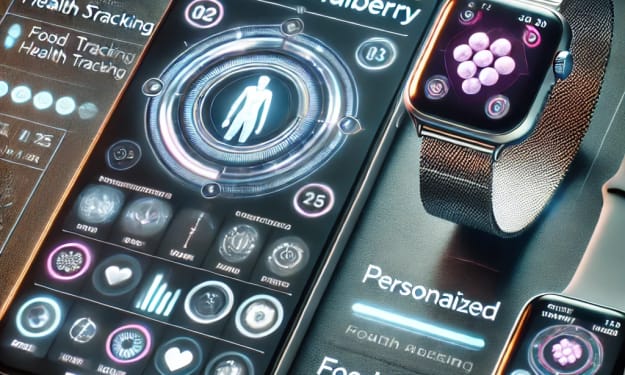
Apple’s AI Health Revolution: Inside Project Mulberry. AI-Generated.
Detailed Analysis and Observations Apple’s venture into AI-driven health coaching with "Project Mulberry" marks a significant expansion of its health tech portfolio, building on previous efforts and aiming to integrate seamlessly with its ecosystem. This section provides a comprehensive overview, expanding on the key points and including additional context for a thorough understanding. Background and Context Apple has long been involved in health-related features, with the Apple Watch offering capabilities like heart rate monitoring and activity tracking. However, "Project Mulberry" represents a deeper dive into personalized health management, leveraging artificial intelligence to provide more than just data—it aims to offer actionable, tailored advice. This project is an evolution of "Project Quartz," which focused on AI-driven health coaching for exercise, diet, and sleep, suggesting a continuity in Apple’s strategy to enhance user well-being through technology. The timing of the potential release, with iOS 19.4 expected in spring or summer 2025, aligns with Apple’s typical update cycle, providing a realistic timeline for users to anticipate these new features. Given the current date, March 31, 2025, this timeline is plausible and fits within industry expectations for major software updates. Functionality of the AI Health Coach The AI agent, often referred to as a "health coach" in reports, is designed to collect data from Apple devices, including the Apple Watch and iPhone. This data includes metrics such as daily steps, heart rate, sleep duration, and potentially screen time, which could correlate with mental health or sleep quality. The AI will analyze this data to identify patterns and trends, offering personalized recommendations. For instance: - If the AI detects irregular sleep patterns over weeks, it might suggest improving the sleep environment, such as reducing screen time before bed, or recommend consulting a professional if issues persist. - For physical activity, it could encourage users to increase steps or try new exercises if current routines aren’t yielding desired results. This level of personalization is a step beyond mere tracking, aiming to act as a proactive health companion. The AI’s ability to detect potential health issues, such as declining sleep quality, adds a layer of preventive care, which could be particularly beneficial for users monitoring chronic conditions.
By Muhammad Waseem khan2 years ago in Longevity