beauty
Beauty products, advice, influencers, and more in the health and wellness space.
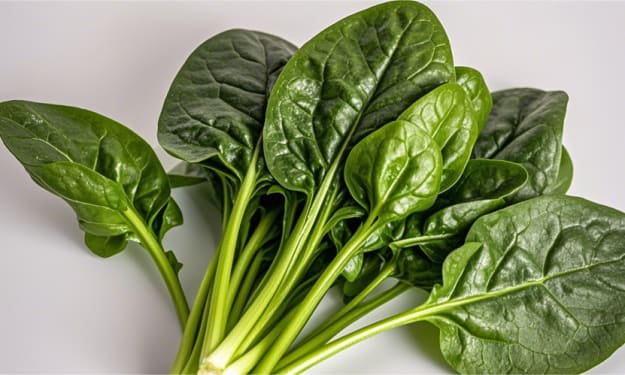
Your hair loves these 5 foods, and after sticking to them for a week, I even noticed fewer gray hairs.
Your hair actually loves these 5 foods, and after sticking to them for a week, I even noticed fewer gray hairs. Hey, friends! Do you often find yourself staring in the mirror, worrying about your hair not being black and shiny enough? Have you tried all sorts of shampoos and conditioners, but your hair is still not looking great? Today, let me share with you that hair actually loves these 5 foods. As long as you keep eating them, I guarantee your hair will become beautiful!
By Elaine Nova2 years ago in Longevity
How to Use Honey for Blood Sugar Control
How to Use Honey for Blood Sugar: A Comprehensive Guide for 2024 In recent years, natural sweeteners have gained popularity among those who are mindful of their health and dietary choices. Among these, honey stands out not only for its rich taste but also for its potential health benefits. If you’re wondering how to use honey for blood sugar, you’re not alone. Many individuals are interested in exploring natural alternatives to refined sugars and are curious about honey's impact on their glucose levels. This comprehensive guide will walk you through everything you need to know about how to use honey for blood sugar management in 2024. Understanding Honey and Blood Sugar Before diving into how to use honey for blood sugar, it’s crucial to understand what honey is and how it affects glucose levels. Honey is a natural substance produced by bees from the nectar of flowers. It’s composed of a variety of sugars, including fructose, glucose, and other carbohydrates. When considering how to use honey for blood sugar, it’s important to note that honey has a lower glycaemic index (GI) compared to refined sugar. The GI measures how quickly a food raises blood glucose levels. Foods with a lower GI result in a slower, more gradual increase in blood sugar, which can be beneficial for managing diabetes or pre-diabetes. However, honey still contains sugars, so portion control is key. ### The Benefits of Honey for Blood Sugar Management Using honey for blood sugar can offer several potential benefits, especially when compared to highly processed sugars. Here’s a closer look at why incorporating honey into your diet may be advantageous: 1. **Lower Glycaemic Index**: As mentioned, honey generally has a lower GI than table sugar, which means it can have a slower impact on blood sugar levels. This makes honey a more favourable option for those looking to manage their glucose levels. 2. **Rich in Antioxidants**: Honey contains various antioxidants that can help combat oxidative stress and inflammation. While this may not directly affect blood sugar, it supports overall health, which is beneficial for those with diabetes or pre-diabetes. 3. **Natural Sweetener**: Unlike processed sugars, honey is a natural sweetener with additional nutrients. Using honey for blood sugar management can provide a more wholesome alternative to refined sugars. ### How to Use Honey for Blood Sugar: Practical Tips Incorporating honey into your diet while managing blood sugar levels involves more than just substituting it for sugar. Here are some practical tips on how to use honey for blood sugar effectively: #### 1. **Opt for Raw Honey** When considering how to use honey for blood sugar control, choose raw honey over processed varieties. Raw honey retains more of its natural nutrients and antioxidants, offering better overall health benefits. Additionally, processed honey often contains added sugars or syrups that can negatively impact blood sugar levels. #### 2. **Use in Moderation** Even though honey has a lower glycaemic index compared to refined sugar, it is still important to use it in moderation. A teaspoon of honey has about 6 grams of sugar, so keep track of your portion sizes. Excessive consumption can still lead to elevated blood sugar levels. #### 3. **Pair with High-Fibre Foods** When you’re figuring out how to use honey for blood sugar management, consider pairing it with high-fibre foods. Fibre helps slow down the digestion and absorption of sugars, which can help keep blood sugar levels stable. For instance, drizzle a small amount of honey over a bowl of oatmeal or mix it into a smoothie with spinach and chia seeds. #### 4. **Incorporate into Balanced Meals** Integrating honey into balanced meals rather than consuming it alone is a great strategy. Adding honey to a salad dressing or using it as a marinade for lean proteins ensures that you’re not consuming it in isolation, which helps mitigate its impact on blood sugar. #### 5. **Monitor Your Blood Sugar Levels** Regular monitoring of your blood sugar levels is essential when using honey for blood sugar management. Different individuals may react differently to honey, so it’s important to track how your body responds. Adjust your consumption based on your blood sugar readings and consult with a healthcare provider if necessary. ### Honey Recipes for Blood Sugar Control To help you understand how to use honey for blood sugar control, here are some delicious and healthy recipes that incorporate honey in a mindful way: #### 1. **Honey and Greek Yoghurt Parfait** Ingredients: - 1 cup Greek yoghurt - 1 tablespoon raw honey - Fresh berries - A sprinkle of granola Instructions: 1. Spoon the Greek yoghurt into a bowl or glass. 2. Drizzle raw honey over the top. 3. Add fresh berries and a sprinkle of granola for added texture and flavour. This parfait provides a good balance of protein, healthy fats, and fibre, helping to stabilise blood sugar levels. #### 2. **Honey-Glazed Chicken** Ingredients: - 4 chicken breasts - 2 tablespoons raw honey - 2 tablespoons Dijon mustard - 1 tablespoon olive oil - Salt and pepper to taste Instructions: 1. Preheat the oven to 180°C (350°F). 2. Mix honey, Dijon mustard, and olive oil in a bowl. 3. Season chicken breasts with salt and pepper, then brush with the honey mixture. 4. Bake for 25-30 minutes or until cooked through. This honey-glazed chicken recipe offers a tasty way to incorporate honey into your meals while keeping blood sugar levels in check. #### 3. **Honey and Cinnamon Oatmeal** Ingredients: - 1 cup oats - 2 cups water or milk - 1 tablespoon raw honey - 1 teaspoon ground cinnamon - Fresh fruit for topping Instructions: 1. Cook the oats according to package instructions. 2. Stir in raw honey and ground cinnamon. 3. Top with fresh fruit, such as sliced apples or berries. This oatmeal is a hearty breakfast option that combines the benefits of honey with the fibre content of oats. ### Precautions and Considerations While honey can be a healthier alternative to refined sugars, it’s important to consider a few precautions: 1. **Allergies**: Some people may be allergic to honey or its components. experience any adverse reactions, discontinue use and consult a healthcare provider. 2. **Diabetes Management**: If you have diabetes, discuss with your healthcare provider before making significant changes to your diet, including incorporating honey. They can help you determine how honey fits into your overall blood sugar management plan. 3. **Caloric Content**: Honey is calorie-dense, so be mindful of the quantity you use to avoid excessive calorie intake. ### Conclusion In summary, honey can be a beneficial addition to your diet when used thoughtfully and in moderation. Understanding how to use honey for blood sugar management involves choosing raw honey, using it in moderate amounts, and pairing it with fibre-rich foods. By integrating honey into balanced meals and monitoring your blood sugar levels, you can enjoy its natural sweetness while managing your glucose levels effectively. As you explore how to use honey for blood sugar in 2024, remember that individual responses can vary. Always consult with a healthcare provider to ensure that your dietary choices align with your specific health needs. Embrace the natural goodness of honey and enjoy its potential benefits as part of a balanced, health-conscious lifestyle.
By Mohamed sha2 years ago in Longevity
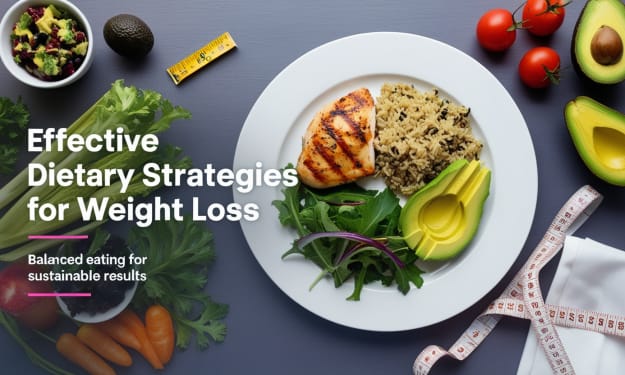
HOW INTERMITTENT FASTING AIDS WEIGHT LOSS
INTRODUCTION Intermittent fasting has emerged as a powerful tool in the quest for weight loss, offering a straight forward and sustainable approach to shedding pounds . This method is not just about cutting calories ; it's about optimizing the timing of your meals to maximize fat burning . Whether you're new to intermittent fasting or looking to refine your strategy , understanding the best schedules can make your weight loss journey more effective and effortless . In this comprehensive guide , we will delve into the most popular intermittent fasting schedules , their benefits , and practical help you achieve your weight loss goals.
By Fit and Fabulous 2 years ago in Longevity
Diabetes and obesity can damage the liver to the point of failure – but few people know their risk of developing liver disease.
Metabolic dysfunction-associated steatotic liver disease, or MASLD, is an umbrella term describing conditions related to a buildup of fat in the liver. Formerly known as nonalcoholic fatty liver disease, this condition affects 1 in 4 people worldwide. Among those with type 2 diabetes, insulin resistance, obesity or all three, the prevalence of MASLD increases to 3 in 4 people.
By Viona Aminda2 years ago in Longevity
10 Mindfulness Apps That Can Transform Your Daily Routine. AI-Generated.
In today's fast-paced world, finding moments of peace and tranquility can be a challenge. However, with the rise of mindfulness apps, integrating mindfulness into your daily routine has become more accessible than ever. These apps offer a variety of tools and techniques to help you cultivate mindfulness, reduce stress, and improve your overall well-being. In this article, we will explore ten mindfulness apps that can transform your daily routine, featuring real-life examples to inspire and engage you.
By Svitlana S2 years ago in Longevity
Why does exercise reduce the risk of Alzheimer's disease?
Do you suffer from Alzheimer's disease? Regular exercise and staying Physical activity can help protect the structure and function of our brains as we age, meaning it can reduce the chances of developing certain neurodegenerative conditions, such as Alzheimer's disease.
By reda hamouda2 years ago in Longevity
Unlocking Hidden Benefits: The Surprising Brain Health Advantages of Creatine. AI-Generated.
When people think of creatine, they typically envision a supplement aimed at boosting muscle growth and enhancing athletic performance. But recent research is shedding light on a lesser-known benefit of this popular supplement: its potential positive effects on brain health. If you're used to associating creatine solely with muscle-building, you might be surprised to learn that it also offers intriguing benefits for cognitive function and overall brain well-being.
By Future of Resilience 2 years ago in Longevity