athletics
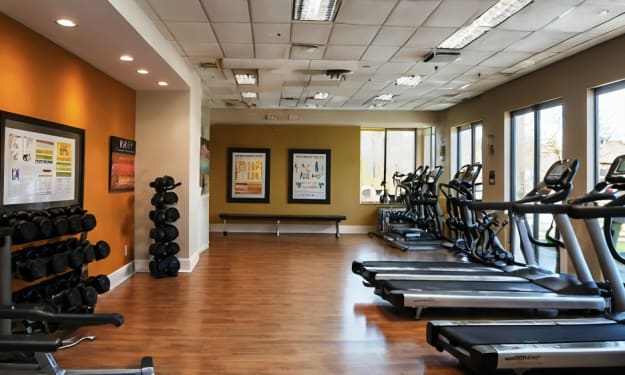
Athletics and fitness are the essential ingredients for your body to live a long and healthy life.
Clean Water & Mental Clarity: How Hydration Fuels Cognitive Health and Well-Being
Water is essential to life. It keeps our bodies functioning properly, regulates our temperature, and supports countless physiological processes. But did you know that the quality and quantity of water you drink also play a crucial role in your mental clarity and overall cognitive health? In an age where mental well-being is increasingly recognized as vital as physical health, it's important to consider how something as simple as hydration can impact your ability to think clearly, stay focused, and maintain emotional balance.
By Future of Resilience 2 years ago in Longevity
The Stuntman’s Transformation: A Decade-Long Quest to Uncover a Life-Altering Diagnosis
Ray Kohn’s life was always full-throttle, both as a stunt driver and a mechanic. Known for his high-octane stunts and fearless nature, he thrived on adrenaline and precision. But in 2015, Kohn began noticing subtle changes that he attributed to the wear and tear of his demanding career: persistent pain in his knees and elbows.
By mureed hussain2 years ago in Longevity
Understanding the Different Types of Yoga: A Journey to Find Your Perfect Practice
Yoga isn't just about fancy poses and flowy pants - it's a lifestyle, a philosophy, and, for many, a pathway to mental clarity, physical strength, and spiritual peace. But with so many different styles of yoga out there, how do you even begin to choose? Whether you're looking to improve your flexibility, relieve stress, or break a sweat, there's a yoga style that can meet your needs. The good news is that in today's world, finding the perfect yoga practice for you has never been easier, thanks to yoga apps.
By Future of Resilience 2 years ago in Longevity
Effective Home Workouts Without Equipment: Get Fit Without the Gym
Effective Home Workouts Without Equipment: Get Fit Without the Gym It can be really tough to find time to hit the gym. Busy schedules, transportation issues, and membership fees can create barriers. But working out doesn't have to be complicated or costly. Home workouts offer convenience and flexibility, allowing you to exercise whenever it fits your schedule. This article will provide a comprehensive guide to effective, equipment-free workouts that you can start today. Bodyweight Training Basics Understanding Bodyweight Exercises Bodyweight exercises use your own weight as resistance. They are a great way to build strength without any equipment. Here are a few fundamental movements: Squats: Great for legs and glutes. Push-Ups: Focus on the arms and chest. Lunges: Work on your balance and lower body strength. Planks: Excellent for core stability. Variations for Different Fitness Levels: Squats: Try single-leg squats for a challenge or wall sits for less intensity. Push-ups: Use knees for a beginner or add claps for an advanced version. Lunges: Use walking lunges for a dynamic movement or stationary lunges for stability. Planks: Try side planks or plank jacks for added challenge. Proper Form and Technique Correct form is key to avoiding injuries. Make sure your knees don’t go past your toes during squats. Keep your body straight in push-ups and planks, engaging your core. For visual guidance, check out online resources demonstrating correct techniques. Creating a Balanced Routine To achieve full-body strength, incorporate exercises targeting all major muscle groups. Here’s a sample workout routine for beginners: Warm-up (5 minutes of dynamic stretching) •10 squats •10 push-ups •10 lunges (each leg) •30-second plank •Repeat 2-3 times •Cardio Without Equipment •High-Intensity Interval Training (HIIT) HIIT workouts alternate between intense bursts of activity and short rest periods. They are effective for burning calories and improving cardiovascular health. A simple HIIT routine could include: •20 seconds of squats •10 seconds rest •20 seconds of jumping jacks •10 seconds rest •20 seconds of burpees •10 seconds rest •Repeat for 15-20 minutes Studies show HIIT is highly effective for weight loss and improving fitness levels. Running or Jogging If you can go outside, running is a great cardio option. For indoor alternatives, try jogging in place. Use a clear space to avoid tripping. If safety is a concern, consider brisk walking around your home. Jumping Jacks and Other Dynamic Exercises Dynamic exercises are excellent for raising your heart rate. Besides jumping jacks, try: •High knees •Butt-kickers •Skaters These exercises can easily be added to the daily schedule, such as a break during work or during a TV program. Home Strength Training How to Build Muscle Without Weights Bodyweight exercises can be effective in building muscle. According to research, they can build strength and endurance that is just as good as conventional weight training. •Progressive Overload •Progressive overload is when you increase the difficulty of your workout over time. You can do this by: •Adding more repetitions. •Slowing down your movements. •Combining exercises for a more intense workout. •Using Common Household Items as Weights Household items can be used as weights. Fill water bottles or use canned goods for added resistance in exercises like squats and overhead presses. Ensure that the items used are stable and safe to handle. Flexibility and Core Work Yoga and Pilates Yoga and Pilates are great for flexibility and core strength. They also help with relaxation. Many free online resources provide guided sessions to be followed at home. Stretching Techniques Static and dynamic stretches should be a part of the routine. Examples include: Static: Hold stretches such as hamstring stretches for 20-30 seconds. Dynamic: Leg swings can prepare the muscles for workouts. Plank Variations and Core Exercises A strong core is beneficial to overall health. Plank variations can include: •Side plank for obliques. •Plank toe taps for added challenge. •Developing a Sustainable Workout Plan Setting Realistic Goals Set realistic goals for your fitness journey. Consider SMART goals, such as committing to 30 minutes of exercise three times a week. Tracking Progress and Making Adjustments Keep a workout log to track your progress. Note down the exercises, duration, and any changes in performance. Adjust your routine as needed to prevent plateaus. Staying Motivated and Consistent Motivation can fade with time. To stay motivated, try: •Finding a workout buddy to share progress. •Using fitness apps for structure and community support. Conclusion Home workouts without equipment are very flexible and effective for getting fit. With the many options, you can easily design a routine that suits your lifestyle. Take the first step today and start your journey to fitness without the cost of expensive gym memberships or the hassle of commuting. Remember, it's all about consistency and commitment. You have everything you need to succeed right at home!
By Bella berren2 years ago in Longevity
How to Choose the Right Weight Loss Center for Your Goals. Content Warning. AI-Generated.
1. Area Comfort: Pick a weight reduction focus that is effectively open to you. It very well may be near your home or work environment. Think about the expense of transportation (like gas or public vehicle) while picking an area. A middle that is excessively far away could become badly designed over the long run.
By kalu ram meena2 years ago in Longevity
Transforming Health and the Planet: The Power of Plant-Based Diets. Content Warning. AI-Generated.
You Are What You Eat The common saying, “You are what you eat,” perfectly summarizes the relationship between what you consume and how your body behaves. This principle emphasizes the dual role food plays in perturbing systematic, cellular, and psychological homeostasis. Supported by solid empirical data, this adage urges both individuals and societies to make more informed, purposeful dietary choices that align with the aspirations of maximizing health, longevity, and environmental sustainability outcomes.
By kalu ram meena2 years ago in Longevity
Small Bites - Big Results
The Ancient Wisdom That Shapes Modern Wellness : “You Are What You Eat” In the modern age of wellness and self-improvement, the ancient Sanskrit saying “You are what you eat” holds timeless significance. This phrase, rooted in Indian philosophy, suggests that our physical, mental, and spiritual well-being is deeply influenced by the food we consume. It transcends simple dietary advice, encompassing the why, how, and what of eating.
By Tales by J.J.2 years ago in Longevity
Key Considerations for Choosing an Effective Weight Loss Cleanse. Content Warning. AI-Generated.
What to Consider While Picking a Weight Decrease Clean Is it genuine that you are enthusiastic about getting more slender? If you are, have you had some significant awareness of weight decrease cleans, also generally suggested as colon refines, already? If you have not, you could have to cut out an amazing open door to dissect them. Colon cleanses are generally used to dispose of unwanted toxic substances from the body, but they can also be used in weight decrease. Consequently, it is now and again possible to find colon cleans being suggested as weight decrease purges.
By kalu ram meena2 years ago in Longevity
Nourishing Our Body and Spirit: Embracing the Vegetarian Path. Content Warning. AI-Generated.
Feeding our hearts and souls with vegetarianism Becoming a vegetarian is about so much more than your own health, saving the planet, or saving money. Yet for some, this decision is not merely a dietary one; spiritual beliefs guide their dietary habits as their approach to nourishment is holistic—what treatments you physically and spiritually. In selecting this way of living, you chose harmony, mindfulness, and an appreciation for the tapestry of life.
By kalu ram meena2 years ago in Longevity
What Does "Zero Drop" Mean, and Why Does It Matter?
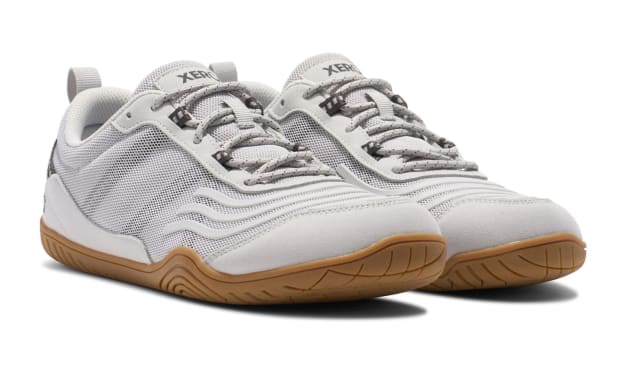
If you've recently dipped your toes into the world of minimalist shoes, you may have come across the term "zero drop" being tossed around like a new trendy catchphrase. And let’s be real—when you’re already trying to make sense of terms like “barefoot running” and “minimalist shoes,” the last thing you want is another phrase that sounds like it belongs in a physics textbook. So, what exactly is "zero drop," and why does it matter? Let’s unpack this in a way that won’t leave you scratching your head (or your shoes).
By Future of Resilience 2 years ago in Longevity