athletics
Athletics and fitness are the essential ingredients for your body to live a long and healthy life.
The Ultimate Guide: When to Exercise for a Better Night's Sleep
Ever find yourself staring at the ceiling at 2 AM, mentally replaying your day and wondering why sleep is so elusive? You’re not alone. Millions of people struggle with sleep, and while we often turn to melatonin or a good book, one of the most powerful sleep aids might be hiding in your daily routine: exercise.
By Epic Vibesabout a year ago in Longevity
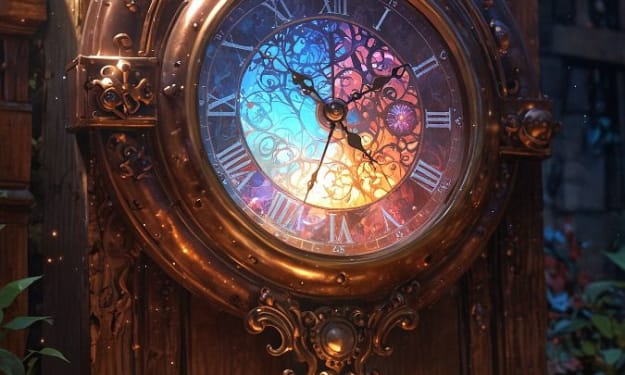
The Clockmaker’s Gift
M Mehran When Elias turned eighty, people often asked him, “What’s your secret? How do you still look so alive?” His answer always began with the same words: “I learned it from a clock.” Most assumed it was a joke. But those who stayed to listen discovered a story that held a lesson for every person chasing a longer, fuller life. --- The Apprentice Years As a boy, Elias worked in his father’s small shop, fixing watches and clocks. His father, a wise and patient man, would say, “A clock doesn’t only measure time—it teaches it.” At the time, Elias didn’t understand. He only wanted to escape chores and play outside. But years later, when his friends grew tired, bitter, or ill, Elias realized he had unconsciously shaped his life around those lessons. --- Lesson One: Wind Yourself Daily “Every clock must be wound,” his father had said, showing him how to turn the delicate key. “Without it, the clock stops. Without it, so do you.” Elias translated this into a daily rhythm of movement. He never let a day pass without walking through the village, tending his small garden, or stretching his body. It wasn’t exercise—it was maintenance, like winding gears. Even in his eighties, his stride remained steady, his back strong. He often joked, “Rust gathers faster on a body than on a clock.” --- Lesson Two: Keep Your Gears Clean Dust, his father warned, was the enemy of clocks. Left unattended, it slowed everything. Elias learned that the human body also gathers “dust”—through unhealthy food, stress, and neglect. He cleared it by choosing simple, nourishing meals. Whole grains, fresh vegetables, fruits, and modest portions of meat fueled his life. While others relied on pills, Elias relied on clean “gears.” His energy rarely faltered, his mind stayed sharp, and his doctor always marveled at his steady health. --- Lesson Three: Stay in Rhythm Clocks tick with rhythm. Miss a beat, and the whole system falters. Elias kept rhythm in his own life—waking with the sunrise, resting at night, eating meals at regular times. He believed the body, like a clock, thrives on consistency. “Respect your rhythm,” he would say. “Chaos inside creates chaos outside.” His steady patterns gave him calm, focus, and resilience when challenges arrived. --- Lesson Four: Work Together No clock works alone. Each gear depends on another. Elias lived by this truth. He built deep relationships—with his wife, his children, his neighbors. He was quick to forgive, eager to share, and always made time to sit with a friend in need. Science now confirms what Elias lived: loneliness can shorten life, but connection strengthens it. Elias’s gears never rusted because they were linked to others, turning together in harmony. --- Lesson Five: Purpose is the Pendulum Every clock has a pendulum swinging at its heart. Without it, nothing moves. Elias found his pendulum in teaching. After years as a clockmaker, he began mentoring young apprentices—not just about gears and springs, but about patience, discipline, and life itself. Purpose gave him direction, even when age bent his body. “If you have a why,” he told them, “your pendulum will keep swinging.” --- Lesson Six: Accept the Hours Perhaps the most profound lesson came from the face of the clock itself. Hours passed no matter what. The morning of youth, the noon of maturity, the evening of old age. “Don’t curse the evening,” his father had told him. “It is part of the day.” So Elias accepted aging with grace. He laughed at his wrinkles, welcomed his slower pace, and celebrated birthdays not as countdowns, but as blessings. His acceptance gave him peace that no cream or medicine could offer. --- The Clockmaker’s Gift Now, when neighbors visited Elias in his old age, they didn’t find a man clinging desperately to youth. They found someone who moved lightly, spoke kindly, and carried joy like a lantern. His home was filled with clocks—grandfather clocks, pocket watches, delicate wristwatches. Some were centuries old, yet they ticked faithfully, cared for by his gentle hands. When asked again for his secret, Elias would gesture to the ticking chorus around him. “Do what a clock does. Keep moving. Stay clean. Honor rhythm. Depend on others. Protect your purpose. Accept your hours. Do this, and you’ll not just count time—you’ll live it.” --- Science Behind the Story Though Elias is fictional, his life mirrors what researchers call the pillars of longevity: Daily activity keeps muscles, bones, and heart strong. Nutritious diets reduce disease and maintain energy. Consistency in sleep and routines supports overall health. Relationships and social bonds reduce stress and extend life. Purpose and meaning give resilience through hardship. Acceptance of aging creates peace and reduces fear. These aren’t secrets locked in laboratories—they are habits available to all of us. --- A Question for Us All Elias’s story leaves us with a question: if our life is a clock, how are we caring for it? Are we winding it daily with movement, or letting it sit still? Are our gears clogged with stress and unhealthy choices, or polished with nourishment? Is our pendulum of purpose swinging, or stuck in silence? Longevity is not measured in years alone, but in the steady ticking of days well lived. The gift of the clockmaker is a reminder: life, like time, is precious. Don’t waste it.
By Muhammad Mehranabout a year ago in Longevity
The Garden of Time
M Mehran When Maria turned seventy, she didn’t ask for jewelry or parties. She asked her children for something unusual: a packet of seeds. “Why seeds?” her son laughed. “Because a garden teaches you how to live long,” she replied with a smile. They thought it was just one of her eccentric ideas. But over the years, that little garden behind her house became her greatest secret—one that made her stronger, happier, and more alive than people half her age. --- Planting Longevity The first lesson came with the soil. “If you feed the ground, the ground feeds you,” Maria whispered while sprinkling compost. She treated her body the same way—feeding it with whole foods, fresh vegetables, fruits, and herbs. Neighbors noticed how she rarely fell ill. While others complained of aches, Maria carried baskets of tomatoes and mint to share with them. The soil reminded her: nourishment creates strength, not shortcuts. --- Moving with the Seasons Gardens don’t sit still, and neither did Maria. She bent, lifted, carried water, weeded, dug, and danced barefoot on the grass. These weren’t workouts—they were movements woven into her daily rhythm. Doctors say natural activity is the secret of “Blue Zones,” places where people live the longest. Maria proved it with every step. She didn’t need a treadmill. She had weeds to pull and flowers to chase. Her body stayed flexible, her heart strong, her breath steady—because she moved as naturally as the seasons. --- Growing Together Maria’s garden didn’t bloom for her alone. She invited grandchildren to plant sunflowers, neighbors to pick cucumbers, and friends to drink tea beneath the shade of the peach tree. Loneliness never touched her. Instead, her backyard buzzed with laughter, stories, and the sound of children running through rows of basil. Research shows strong social ties lengthen life. Maria didn’t need the science—her blooming friendships kept her spirit young. --- Patience, Not Hurry Plants don’t grow overnight. Maria watered them gently, waited for sprouts, and celebrated small victories—a bud here, a leaf there. She lived the same way. Instead of rushing, she savored her mornings with tea, watched the sunset, and learned to breathe through hard days. Stress, she realized, was like weeds: if you let it take over, it steals your joy. But if you tend to your peace daily, you thrive. Her patience became her power. --- Accepting the Autumn Perhaps the greatest lesson came when her garden shifted with the seasons. Some plants bloomed and faded. Some leaves dried and fell. Yet, Maria never mourned them. “Everything has its autumn,” she told her grandchildren. “And autumn is beautiful in its own way.” She accepted her wrinkles like golden leaves, her slower pace like soft breezes. Aging wasn’t loss—it was transformation. The more she embraced this truth, the more radiant she became. Her children marveled that she seemed to age backward, glowing with the wisdom of someone who lived joyfully. --- The Harvest of Life At ninety, Maria’s garden overflowed with life. People from the neighborhood called her “the woman with the endless spring.” When asked her secret, she didn’t talk about vitamins or medicine. She simply said, “Eat from the earth, move with purpose, share your table, live patiently, and welcome every season.” Her garden wasn’t just a patch of soil—it was a map for longevity. --- Lessons We Can Take Maria’s story, though fictional, reflects truths we can all plant in our lives: Feed your body like fertile soil. Whole foods, less processed junk. Move like nature intended. Walk, bend, stretch—keep flowing. Grow with others. Relationships are the strongest roots of long life. Practice patience. Stress steals years; peace restores them. Accept the seasons. Aging is not decay—it’s harvest. --- A Question for You If life were your garden, what would you grow? Joy or worry? Connection or isolation? Nourishment or neglect? Longevity doesn’t arrive in one miracle moment. It grows, seed by seed, in the choices we make each day. And just like Maria, we can all step into our own gardens—nurturing not just years to our life, but life to our years.
By Muhammad Mehranabout a year ago in Longevity
The Secret Clock
M Mehran When Ayesha turned sixty, she felt like time had betrayed her. Her joints ached, her hair had silvered, and her energy dwindled faster than she wanted to admit. “It’s downhill from here,” she sighed to her granddaughter, who only laughed. But life had a strange way of proving her wrong. One afternoon, while strolling through an old bazaar, Ayesha stepped into a tiny shop filled with books, herbs, and clocks of every size. The shopkeeper, an elderly man with sparkling eyes, greeted her. “You’ve come looking for the secret clock,” he said mysteriously. “What clock?” she asked, amused. “The one that measures how long you’ll live—not in years, but in moments you make matter.” He handed her a notebook with golden edges. Inside, it wasn’t filled with hours or dates but pages of questions: When was the last time you laughed until you cried? How often do you eat meals that nourish instead of harm you? When did you last move your body like it was a gift? The old man leaned in. “Longevity isn’t about avoiding death. It’s about adding life to your years.” Ayesha chuckled at his theatrics, but something about his words stayed with her. That night, she began answering the questions in the notebook. The more she wrote, the more she realized her life had become routine—safe, predictable, and quietly draining. The next morning, she tried something small. She brewed green tea instead of her usual sugary chai. She walked in the park instead of watching television. She called an old friend she hadn’t spoken to in years. Tiny steps, but they sparked something. Weeks turned into months, and slowly, Ayesha began to feel younger than she had in years. Her doctor noticed her blood pressure improving. Her neighbors noticed her glowing smile. And her granddaughter noticed the way she danced in the kitchen again. But Ayesha’s true revelation came one spring morning. She was sitting under a tree, watching the sunrise, when she realized she no longer feared aging. The years ahead didn’t seem like a countdown to the end—they seemed like an invitation to live deeper. She thought of the notebook’s last question: When the end finally comes, will you have lived fully enough to let go? For the first time, she could honestly answer: Yes. --- Lessons from the Secret Clock Ayesha’s story is fictional, but its lessons mirror real science about longevity. Researchers studying “Blue Zones”—regions where people live the longest, healthiest lives—have found habits that extend not just years, but quality of life. 1. Eat Simply, Live Simply. In Okinawa, Japan, elders thrive on plant-based diets filled with vegetables, beans, and fish, eating until they’re 80% full. Ayesha’s switch to lighter, nourishing meals reflects this truth: food is medicine when chosen wisely. 2. Keep Moving Naturally. None of the world’s longest-living communities rely on gyms or machines. Instead, they walk, garden, climb stairs, and stay active through daily routines. Ayesha’s morning park walks were her own version of this. 3. Stay Connected. Loneliness shortens life as much as smoking, but strong relationships keep the heart young. Ayesha’s choice to reconnect with her old friend mirrors how love and belonging are essential fuel for longevity. 4. Find Purpose. In Nicoya, Costa Rica, elders live by plan de vida—a reason to wake up each morning. Ayesha found purpose not in grand ambitions, but in small joys: dancing, laughing, caring, and being present. 5. Embrace Aging, Don’t Fear It. The healthiest elders see aging as a privilege, not a curse. They adapt, grow, and keep learning. Ayesha discovered this when she stopped counting wrinkles and started counting moments. --- A Modern Reflection Longevity isn’t about clinging desperately to youth. It’s about redesigning how we live today so tomorrow becomes worth waiting for. The “secret clock” isn’t found in an old shop—it’s ticking inside us, reminding us that time can be stretched not by more years but by more life in each year. We often chase miracle cures, anti-aging creams, or expensive supplements, but the real keys to longevity are free: movement, purpose, connection, nourishment, and joy. Imagine if each of us kept a notebook like Ayesha’s—one where instead of measuring age by birthdays, we measured it by laughter shared, kindness given, steps walked, or sunrises admired. How long would we truly live then? Longevity is not a promise of immortality. It’s an invitation. An invitation to savor, to simplify, to love, and to live so fully that when the final page of our notebook turns, we smile knowing we filled it well. So maybe the question isn’t How many years will I live? but rather How much life will I pour into my years? And the best time to start rewriting that answer—like Ayesha did—is today.
By Muhammad Mehranabout a year ago in Longevity
Can Penis Size Actually Decrease? Separating Fact from Fear
Let's be honest, guys—most men have wondered about their size at some point. It’s a common source of anxiety, often fueled by unrealistic standards and locker room talk. But one question that can trigger a real panic is the idea that your penis might actually be getting smaller.
By Epic Vibesabout a year ago in Longevity
A Scientific Look at Natural Male Vitality Supplements
The quest for sustained energy, confidence, and vitality is a common thread in modern men’s lives. In a world saturated with quick fixes and miracle cures, it’s easy to become skeptical of products that promise a revolution in men’s health. Yet, the science behind natural wellness is compelling and deserves a clear, objective conversation.
By Epic Vibesabout a year ago in Longevity
The Pause Before Speaking: Cultivating Awareness in Conversation
Yet some of the most powerful opportunities for mindfulness happen in the middle of dialogue. Every conversation contains countless micro-moments where awareness can transform the interaction. One of the simplest, yet most profound, is the pause before speaking.
By Victoria Marseabout a year ago in Longevity
Mindful Eating: Turning Meals into Meditative Practice
Eating has become something we do in passing, a necessity squeezed between tasks. But food is more than fuel; it’s a sensory experience, an invitation to connect with the present moment. Mindful eating transforms an ordinary meal into meditation, not by changing what you eat, but by shifting how you eat.
By Black Markabout a year ago in Longevity
The Mindful Commute: Transforming Travel Time into Presence
For many people, commuting feels like lost time. It’s the stretch of the day that exists between “real life” and the places you actually want to be. Whether it’s sitting in traffic, waiting for the bus, or crammed into a subway car, commuting often brings up feelings of frustration, boredom, and impatience. But what if your commute wasn’t wasted time? What if those minutes—or even hours—could become a daily practice of mindfulness?
By Black Markabout a year ago in Longevity
From Restlessness to Calm: Using Subtle Movements to Ground Yourself
Restlessness often feels like the enemy of meditation. You sit down, hoping for calm, and instead find your body twitching, your foot tapping, or your fingers itching to do something—anything—other than be still. For many, this agitation leads to frustration and the belief that they’re “bad at meditating.” But what if restlessness isn’t something to fight? What if, instead, it’s an invitation to move—gently, subtly, and with awareness?
By Victoria Marseabout a year ago in Longevity
Timeless Living: How the Longest-Lived People Teach Us to Thrive
M Mehran In the quiet hills of Ikaria, Greece, mornings begin slowly. Smoke curls from chimneys, neighbors greet each other with laughter, and the scent of herbs drifts from small gardens. But the remarkable thing about Ikaria isn’t its scenery—it’s its people. Here, living past 90 isn’t rare; it’s ordinary. And yet, these centenarians aren’t just alive—they are alive with energy, curiosity, and joy. Take Eleni, a sprightly 95-year-old woman who tends her goats each morning and dances at village festivals well into the evening. “I don’t think about my age,” she says with a smile. “I think about what I will do today.” In her life, longevity isn’t a number—it’s a mindset, a rhythm that guides every meal, every movement, and every conversation. Science has begun to uncover why people like Eleni thrive. Diet is a crucial factor. In Ikaria, meals are simple: vegetables, beans, olive oil, and tea infused with local herbs. Portions are small, and food is fresh and minimally processed. But the secret isn’t just nutrition—it’s how they eat. Meals are social events, often shared with friends and family, where conversation and laughter are as important as the food itself. Purpose also plays a powerful role. Long-lived people rarely retire completely; they continue to contribute to their communities. Giorgos, a 100-year-old fisherman, still checks the nets and teaches younger villagers the rhythms of the sea. Studies show that having a reason to get up each day can significantly extend lifespan. Purpose fuels activity, mental engagement, and emotional resilience—the true pillars of longevity. Movement, too, isn’t confined to gyms. Walking, gardening, tending to animals, and dancing are part of daily routines. These aren’t exercises—they’re ways of life. In Okinawa, Japan, another longevity hotspot, elders practice gentle martial arts and cultivate gardens. In Sardinia, Italy, walking uphill is simply part of the journey to the village square. Physical activity is natural, consistent, and sustainable—exactly what science says supports long, healthy lives. Psychological health is equally critical. Long-lived individuals maintain a sense of calm, perspective, and adaptability. Stress, the silent killer, is managed through daily routines, meditation, and humor. In Ikaria, it’s common to see elders laughing together in the sun, sharing stories that bridge generations. Their resilience isn’t a secret formula; it’s a practiced lifestyle of mental balance and social connection. Social bonds, in fact, may be the most essential ingredient. Loneliness shortens life; community strengthens it. Across the world’s longevity hotspots, people live surrounded by family, friends, and neighbors. They support one another, celebrate together, and help each other through challenges. Connection, as it turns out, is not just emotional—it’s biological. Studies link strong social networks to lower risks of heart disease, cognitive decline, and mortality. Technology and medicine have advanced longevity in modern times, but the timeless lessons remain remarkably simple: eat well, move naturally, maintain purpose, manage stress, and stay connected. These aren’t trends—they’re principles embedded in everyday life by those who have mastered the art of living long and well. For ordinary people, longevity may feel unattainable, but the truth is small, intentional choices compound over time. Walking instead of driving, cooking fresh meals, spending time with loved ones, learning new skills, or engaging in meaningful work can all add years and quality to life. It’s not about perfection—it’s about consistency. Longevity is more than years; it’s vitality, presence, and engagement. Eleni’s life, like many long-lived people, teaches us that age doesn’t limit experience—it enhances it. Every conversation, meal, or stroll is a chance to nurture the body, mind, and soul. To live longer, it seems, is simply to live wisely, fully, and with intention. In a world obsessed with quick fixes and eternal youth, the true secret of longevity is timeless: a balanced life, purpose-driven actions, deep connections, and the courage to embrace each day. The long-lived are not exceptions; they are reminders that thriving across decades is a craft—one we can all practice, starting today. And perhaps, the greatest lesson is this: living longer isn’t about escaping death. It’s about truly savoring life, adding richness to every moment, and making every year count. Longevity is a gift, but like all gifts, it is realized only when we open it fully.
By Muhammad Mehranabout a year ago in Longevity