aging
Aging with grace and beauty. Embrace age with aging advice, tips, and tricks.
How to Keep Your Mind Young
The Story of Mr. Arif and the Ageless Mind At 68, most people assumed Mr. Arif would be slowing down. But the truth was quite the opposite. While his friends spent most of their days watching TV and talking about their blood pressure, Mr. Arif was often seen either jogging through the park or deeply engrossed in books at the local library.
By Esther Sunabout a year ago in Longevity
Weight Loss Drug Wars: Ozempic vs. New FDA-Approved Rival
Introduction The battle for dominance in the weight loss drug market is heating up, with pharmaceutical giants competing to develop the most effective and safest treatments for obesity. Two major players in this space are Ozempic (semaglutide), a well-known GLP-1 receptor agonist originally approved for type 2 diabetes but widely used off-label for weight loss, and a new FDA-approved rival, which promises even better results with fewer side effects. As obesity rates continue to rise globally, the demand for effective weight loss medications has skyrocketed. This article explores the key differences between Ozempic and its new competitor, examining their mechanisms of action, efficacy, side effects, costs, and future implications for the weight loss industry. 1. Understanding Ozempic (Semaglutide) What is Ozempic? Ozempic, developed by Novo Nordisk, is an injectable medication containing semaglutide, a glucagon-like peptide-1 (GLP-1) receptor agonist. Initially approved by the FDA in 2017 for type 2 diabetes, it was later rebranded as Wegovy (a higher-dose version) specifically for chronic weight management in 2021. How Does Ozempic Work? Ozempic mimics the GLP-1 hormone, which: Slows gastric emptying, making users feel fuller for longer. Reduces appetite by acting on the brain’s hunger centers. Enhances insulin secretion, helping regulate blood sugar levels. Efficacy in Weight Loss Clinical trials have shown that Ozempic (at Wegovy doses) can lead to an average weight loss of 15-20% of body weight over 68 weeks when combined with diet and exercise. Side Effects of Ozempic Common side effects include: Nausea Vomiting Diarrhea Constipation Risk of pancreatitis and gallbladder issues in rare cases Cost and Accessibility Ozempic is expensive, costing $900-$1,300 per month without insurance. Due to high demand, supply shortages have been a persistent issue. 2. The New FDA-Approved Rival: A Strong Competitor Introduction to the New Drug In recent months, the FDA approved a new weight loss drug, which is emerging as a formidable competitor to Ozempic. While several candidates exist (such as Mounjaro/Zepbound (tirzepatide) by Eli Lilly), we will focus on the latest entrant shaking up the market. Mechanism of Action Unlike Ozempic, which only targets GLP-1, the new drug may be a dual agonist (e.g., GLP-1 + GIP), enhancing weight loss effects. For example: Tirzepatide (Mounjaro/Zepbound) activates both GLP-1 and GIP receptors, leading to superior weight loss compared to semaglutide. Efficacy: Does It Outperform Ozempic? Clinical trials suggest the new drug may lead to 20-25% weight loss, surpassing Ozempic’s results. For instance: In the SURMOUNT-2 trial, tirzepatide showed 15-20% weight loss in diabetics, with higher doses yielding better results. Non-diabetic patients saw even greater reductions, making it a stronger alternative for obesity treatment. Side Effects Comparison While similar to Ozempic, the new drug may have: More pronounced gastrointestinal issues (due to stronger appetite suppression). Potential risks like low blood sugar (hypoglycemia) when combined with other diabetes medications. Cost and Insurance Coverage The new drug is similarly priced at $1,000-$1,500 per month, but manufacturer discounts and insurance coverage may vary. 3. Ozempic vs. The New Drug: Key Differences Factor Ozempic (Semaglutide) New FDA-Approved Rival (e.g., Tirzepatide) Mechanism GLP-1 agonist Dual GLP-1 + GIP agonist Weight Loss 15-20% 20-25% Side Effects Moderate GI issues Potentially stronger GI effects FDA Approval 2017 (Diabetes), 2021 (Weight Loss) 2022-2024 (Weight Loss) Cost $900-$1,300/month $1,000-$1,500/month Availability Frequent shortages Increasing but still limited 4. Which One Should You Choose? Ozempic is Better For: Patients who respond well to GLP-1 drugs. Those who want a well-established medication with extensive research. Individuals with type 2 diabetes seeking blood sugar control. The New Drug is Better For: Patients seeking greater weight loss results. Those who haven’t had success with Ozempic. Individuals willing to try a newer, potentially more effective option. Consulting a Doctor Since both drugs require a prescription, a healthcare provider should assess: Medical history (e.g., pancreatitis risk). Current medications (to avoid interactions). Weight loss goals and tolerance for side effects. 5. The Future of Weight Loss Drugs Upcoming Competitors The pharmaceutical industry is racing to develop next-generation weight loss drugs, including: Oral GLP-1 agonists (easier than injections). Triple-hormone agonists (targeting GLP-1, GIP, and glucagon). Gene-based therapies for long-term obesity management. Potential Market Shift If newer drugs prove safer and more effective, Ozempic may lose market share. However, cost and insurance coverage will remain major deciding factors. Ethical and Social Considerations Should weight loss drugs be covered by insurance? Will these medications replace bariatric surgery? Could overprescription lead to misuse? Conclusion The weight loss drug war between Ozempic and its new FDA-approved rival is reshaping obesity treatment. While Ozempic remains a trusted option, newer drugs like tirzepatide (Zepbound) offer superior results, albeit at a higher cost and with potentially stronger side effects. Patients should consult their doctors to determine the best option based on individual health needs. As research advances, the future of weight loss medications looks promising, with even more effective treatments on the horizon. For now, the competition between these drugs is driving innovation, giving millions struggling with obesity new hope for sustainable weight loss. Final Thoughts The battle between Ozempic and its rivals is far from over. With more breakthroughs expected in the coming years, the weight loss drug market will continue evolving, offering patients better, safer, and more affordable solutions. Would you try Ozempic or the new FDA-approved alternative? Let us know in the comments!
By Silas Blackwoodabout a year ago in Longevity
The important role of assistive technology in in home care
Why Assistive Tech Matters and Why Backup Care Is Still a Mess Let’s talk what it’s really like depending on in-home care. Not just the nice version people write in brochures. The real deal. Because if you’ve ever had to count on someone else to help you get out of bed, eat, shower, or even go to the bathroom, you already know there’s no room for failure. You need people to show up. You need a system that works.
By Yvonne Knightabout a year ago in Longevity
What Women Want When They're in Their Ho Phase
In modern dating culture, the term "ho phase" has become a colloquial yet powerful expression. While it may sound lighthearted or even controversial, the concept represents a period in a woman’s life where she embraces sexual exploration, autonomy, and personal growth. Contrary to outdated societal judgments, this phase is not necessarily about promiscuity—it’s about reclaiming control over one's body, desires, and experiences.
By LaMarion Zieglerabout a year ago in Longevity
From Fat to Fit: The Ultimate Guide to Superfoods for Weight Loss and Lifelong Health
Introduction Losing weight and maintaining a healthy body isn’t just about cutting calories—it’s about nourishing your body with the right foods. Many people struggle with fad diets that promise quick results but leave them feeling deprived and unhealthy. The key to sustainable weight loss is choosing nutrient-dense, metabolism-boosting foods that help burn fat, control hunger, and improve overall well-being.
By Silas Blackwoodabout a year ago in Longevity
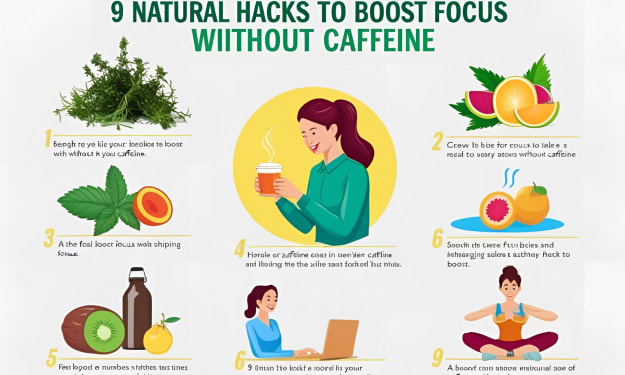
🧠 You Won’t Believe These 9 Natural Hacks to Boost Your Focus (No Caffeine Needed!)
Ever feel like your brain is a browser with 27 tabs open—and you can’t find the one playing music? Yep, been there. Whether you’re trying to knock out work, study for that looming exam, or just finish your to-do list without drifting into the black hole of TikTok, staying focused is a challenge. But the good news? You don’t need fancy apps, pricey supplements, or gallons of coffee to regain your concentration.
By Md Zillur Rahaman Chowdhuryabout a year ago in Longevity
Later this year, an enigmatic and extremely active underwater volcano near California may explode.
Scientists warn that before the end of this year, a mysterious and extremely active undersea volcano off the Pacific Coast may explode. The Axial Seamount volcano, located approximately 700 miles northwest of San Francisco and nearly a mile deep, is coming under more and more investigation from scientists who first learnt of its existence in the 1980s.
By Francis Damiabout a year ago in Longevity
Best Biohacking Techniques for Brain Health: Tricks for Cognitive Enhancement
The disruptive angle of biohacking for brain health focuses on unlocking an individual’s full potential by increasing cognitive performance, improving focus, and enhancing mental resilience. In a world where distractions are abundant and productivity is non-stop, biohacking the brain can provide an edge like no other. Biohacking incorporates nootropics for brain health, science-validated strategies, and innovative technology techniques used to enhance cognitive abilities, like brainwave entrainment.
By Alex Riversabout a year ago in Longevity
What Really Happens During a 72-Hour Fast — And Why You’ll Want to Try It
No food. Just water. For three full days. It sounds extreme. Radical. Maybe even a little crazy. But millions of people — from Silicon Valley CEOs to cancer researchers to ancient spiritual communities — are discovering something wild:
By Rukka Novaabout a year ago in Longevity