aging
Aging with grace and beauty. Embrace age with aging advice, tips, and tricks.
The Myth of January First
Every December, as the calendar year draws to a close, millions of people around the world engage in a time-honored tradition: the crafting of New Year's resolutions. Gyms overflow with new members in January, health food stores see spikes in sales, and social media fills with proclamations of transformation and change. Yet by February, these ambitious declarations have largely faded into distant memories, replaced by the familiar rhythms of old habits and comfortable routines. Studies consistently show that approximately eighty percent of New Year's resolutions fail by the second week of February, with fitness and weight loss goals ranking among the most commonly abandoned objectives.
By Paul Claybrook MS MBA10 months ago in Longevity
Mental Fatigue Is Not Laziness: Understanding Cognitive Overload in Modern Life. AI-Generated.
Introduction: When Rest Doesn’t Feel Like Rest Many people describe feeling mentally exhausted even on days when they haven’t done anything particularly demanding. They may sleep enough, avoid physical strain, and still wake up with a sense of heaviness in their thoughts.
By Tanin sene10 months ago in Longevity
The Enduring Impact of Glucagon-Like Peptide-1 Receptor Agonists
The landscape of metabolic disease management has undergone a profound transformation with the advent of a novel class of pharmacotherapies: the glucagon-like peptide-1 (GLP-1) receptor agonists. These agents, inspired by the body's own intricate endocrine system, have rapidly ascended to prominence in the treatment of type 2 diabetes mellitus and, more recently, obesity, offering a multifaceted approach to conditions that have long presented significant therapeutic challenges. Their mechanism of action extends beyond mere glycemic control, encompassing broad metabolic, cardiovascular, and renal benefits, thereby addressing the complex pathophysiology and often devastating complications associated with these chronic conditions. This article will delve into the fundamental nature of GLP-1 and its therapeutic analogues, meticulously detailing their biochemical mechanisms, evaluating their extensive efficacy in clinical practice, and scrutinizing their comprehensive side effect profiles, with particular emphasis on potential long-term effects that may manifest subtly or in ways not immediately apparent to the patient.
By Paul Claybrook MS MBA10 months ago in Longevity
Staying Emotionally Strong as We Age
There comes a moment in life when morale becomes more fragile. Not necessarily because everything is going wrong, but because many things have changed. The body no longer responds in the same way, familiar reference points shift, some people disappear, and the world sometimes seems to move on without waiting for us. This loss of morale is neither a weakness nor a failure. It is a human, common, and deeply understandable reaction. What matters most is not denying it, but learning how to move through it without becoming trapped by it.
By Bubble Chill Media 10 months ago in Longevity
We Live Longer, But We Live Sicker. AI-Generated.
We have gained years. Sometimes entire decades. Thanks to scientific advances, more precise treatments, and systematic screenings, life expectancy has steadily risen. The demographic curves show it clearly: we are pushing death further back, generation after generation. This is an undeniable victory for modern medicine.
By Laurenceau Porte10 months ago in Longevity
Why Your Leisurely Walk Isn’t Saving Your Life (and What Actually Might)
By: Paul Claybrook, MS, MBA Modern fitness culture has perfected a soothing narrative: anything counts. A slow walk counts. Gardening counts. Standing counts (sometimes). According to this worldview, merely existing in an upright position while occasionally shifting your weight is enough to place you firmly on the path to health, vitality, and longevity. Strap a wearable to your wrist, accumulate a few thousand steps while scrolling your phone, and voilà—you are now “active.”
By Paul Claybrook MS MBA10 months ago in Longevity
The Essential Guide to Gut Health
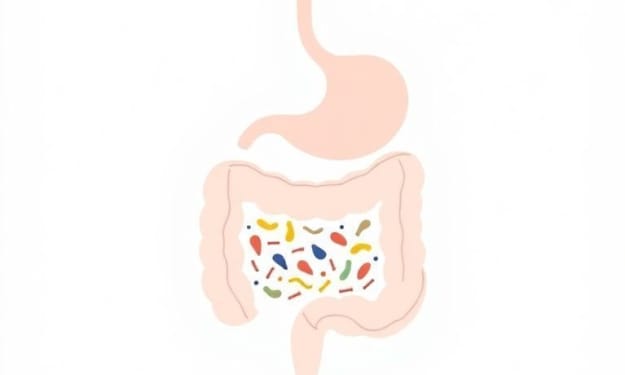
By: Paul Claybrook, MS, MBA Gut health has emerged as a central topic in modern health research due to its far-reaching influence on nearly every system in the body. The gastrointestinal tract is not only responsible for digestion and nutrient absorption, but also serves as home to the gut microbiome—a complex community of microorganisms that plays a key role in immune regulation, metabolic function, and even mental well-being. Increasing evidence suggests that imbalances in the gut microbiome are linked to a wide range of health concerns, including chronic inflammation, digestive disorders, metabolic disease, and mood disturbances. As a result, maintaining a healthy gut is increasingly recognized as a foundational component of overall wellness rather than a narrow digestive concern. Gut health is shaped by daily choices, particularly those related to diet, physical activity, supplementation, and lifestyle habits such as sleep and stress management. Understanding how these factors interact provides individuals with practical tools for supporting digestive function and long-term health. This article explores the science behind gut health and outlines evidence-based strategies for nurturing the gut microbiome through sustainable, everyday practices.
By Paul Claybrook MS MBA10 months ago in Longevity
How to Overcome Aging: The Modern Science of Staying Young Longer. AI-Generated.
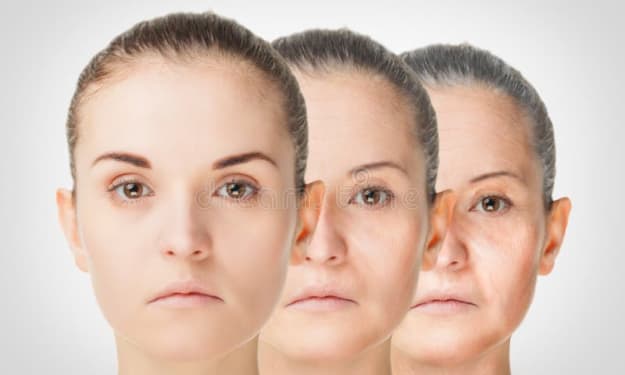
Introduction: The Age of Ageless Living Once upon a time, aging was seen as a slow surrender — wrinkles, fatigue, and fading dreams. But in today’s world, aging has transformed into something else entirely. Scientists, longevity experts, and wellness enthusiasts are all asking the same question: Is it possible to overcome aging? The truth is, you can’t stop the clock, but you can absolutely slow its impact. Aging gracefully isn’t about denying your years — it’s about mastering them. Let’s explore how modern science, nutrition, and mindset are rewriting the rules of time. 1. The Science of Slowing Time In the last decade, researchers have uncovered groundbreaking discoveries about the aging process. Aging happens because of cellular damage, oxidative stress, and telomere shortening — basically, your cells wear out as they divide. But here’s the good news: Studies from Harvard and Stanford suggest that lifestyle changes can reverse cellular aging. Regular exercise, quality sleep, and a plant-rich diet can lengthen telomeres, the DNA caps that protect your cells. Tip: Add antioxidant-rich foods like blueberries, spinach, and green tea to your daily routine. They help fight free radicals — the microscopic culprits behind aging. 2. Nutrition: The Fountain of Youth Is in Your Kitchen Forget expensive creams for a moment — your real anti-aging power starts on your plate. The Mediterranean diet, which focuses on olive oil, fish, nuts, and fresh vegetables, has been linked to longer life expectancy and sharper cognitive function. Omega-3 fatty acids from salmon or chia seeds help maintain skin elasticity and brain health. Meanwhile, limiting processed sugars prevents premature wrinkles and inflammation. Pro Tip for Premium Readers: Swap your morning cereal with a smoothie made of kale, avocado, and berries. It’s not just trendy — it’s time-reversing. 3. Move to Stay Young It’s no surprise that movement equals longevity. According to research from the British Journal of Sports Medicine, just 150 minutes of moderate activity per week can extend your lifespan by years. But not all exercises are created equal. Strength training maintains muscle mass and bone density, while yoga and Pilates enhance flexibility and reduce stress hormones. Even walking 30 minutes daily can lower your risk of heart disease and Alzheimer’s — two conditions closely tied to aging. 4. The Mindset Factor: Think Younger, Live Younger One of the most underrated secrets to overcoming aging lies in your mindset. Studies have shown that people who believe they’re younger than their actual age often live longer and healthier lives. This isn’t magic — it’s psychology. Optimism reduces stress, and stress is a major accelerator of aging. Try this: Start your mornings with gratitude journaling or a positive affirmation. Something as simple as “I’m becoming better every year” can shift your brain chemistry toward vitality. 5. Sleep: Your Natural Anti-Aging Pill Sleep isn’t just rest — it’s restoration. When you sleep, your body repairs DNA damage, balances hormones, and releases growth factors that rejuvenate skin and muscles. According to the National Sleep Foundation, adults who sleep 7–9 hours regularly have lower risks of obesity, diabetes, and early aging. So, skip late-night scrolling. Think of sleep as your most affordable luxury skincare. 6. The Role of Technology and Modern Longevity Science From biohacking to supplements like NMN (nicotinamide mononucleotide), technology is changing how we view aging. Longevity clinics in the USA and UK are already experimenting with genetic testing and personalized nutrition to help people live beyond 100 — not just longer, but better. Wearable devices like Oura rings and Apple Watches now track biological age, helping users monitor stress, recovery, and sleep quality. The future of aging is personal, data-driven, and surprisingly achievable. 7. Emotional Health: The Hidden Key to Ageless Living You can have perfect skin and a toned body, but without emotional balance, the signs of stress will show. Connection, love, and laughter have a measurable effect on aging biomarkers. Research shows that strong social relationships can increase lifespan by up to 50%. That’s more powerful than exercise or diet alone. So call a friend, hug your partner, and invest in relationships that make you feel alive. Conclusion: You Can’t Stop Time — But You Can Redefine It Aging is inevitable, but decline is optional. The secret to overcoming aging lies in small, consistent choices — nourishing your body, calming your mind, and embracing life with purpose. Remember, the goal isn’t to live forever — it’s to live fully. Every day you move with intention, eat with mindfulness, and think with optimism, you are defying the limits of time. Because overcoming aging isn’t about escaping years — it’s about mastering them.
By Sajjad Ali10 months ago in Longevity
Taming The Nervous System: My Experience with Vagus Nerve Stimulation as a Novel Approach to Chronic Stress . AI-Generated.
Introduction: When Anxiety Becomes a Permanent Biological State In a world defined by its relentless velocity, anxiety has ceased to be a transient visitor—the quickened pulse before a storm or the sharp intake of breath before a fall. Instead, it has hardened into a permanent biological imprint, an indelible script written into the very marrow of the nervous system. When the mind continues to broadcast sirens into the silence of a safe room, the body becomes ensnared in a state of terminal vigil. Here, the surge of cortisol and adrenaline is no longer a strategic response to crisis but a corrosive baseline, a flood tide that refuses to ebb.
By Mohammad Hammash10 months ago in Longevity
The Bright Light of Yoga
My earliest memories already carry the imprint of anxiety and depression—right at the beginning of what I can recall. The beginning of memory itself, which, contrary to ancient yogic traditions, is often taken to be what makes me me. Yet I am not my panic, nor am I a perpetual knot of anger. Experience is transient by nature, and if it is to pass cleanly across the moving river of now, we must learn to release it. We must learn to shape, rather than be ruled by, our inner landscape.
By Squeeze D' Avocado10 months ago in Longevity