aging
Aging with grace and beauty. Embrace age with aging advice, tips, and tricks.
Advancements in Breast Cancer Screening:
The release of draft guidelines by the US Preventive Services Task Force (USPSTF) on breast cancer screening has sparked a heated debate among experts. The most significant change proposed in the guidelines is recommending that women with average breast cancer risk start getting mammograms every two years starting at the age of 40, rather than waiting until they turn 50. The decision to lower the age for screening was based on several factors cited by the authors of the recommendations. They noted a noticeable increase in breast cancer cases among women in their 40s between 2015 and 2019. Additionally, Black women were found to have a higher likelihood of late cancer diagnoses and higher mortality rates due to breast cancer. USPSTF chair Carol Mangione emphasized the importance of beginning screening at the age of 40, highlighting that it could potentially save lives. Previously, the USPSTF allowed women to choose when to start screening between the ages of 40 and 50 based on individual preferences. However, numerous experts argue that the new guidelines are not as straightforward as they may seem. Despite mammograms being widely regarded as a life-saving tool, there is surprisingly little consensus on how much they actually contribute to prolonging lives. There is also a debate on whether the potential risks and unnecessary medical interventions associated with mammograms outweigh their benefits. Breast cancer is responsible for over 42,000 deaths in the United States annually, with approximately 40% more Black women dying from the disease compared to white women. Addressing this disparity is complex, and recommending more widespread mammograms as a solution comes with physical, emotional, and economic costs. The question arises: Are the potential benefits of increased screening worth it? It is crucial to have a realistic understanding of what these recommendations can and cannot achieve. The new guidelines have the potential to increase breast cancer diagnoses and subsequent treatments. While this can be viewed as both positive and negative, it is essential to note that the USPSTF's recommendations specifically target average-risk individuals. Higher-risk groups, such as those with a family history of breast cancer, may require different screening approaches. It is worth mentioning that not all mammograms are performed for screening purposes. The recommendations do not apply to individuals who detect a lump in their breast, as these cases are considered diagnostic tests, requiring a different course of action. Screening tests aim to identify medical problems at an early stage, before any symptoms manifest. Mammograms can detect subtle changes associated with various types of breast cancer, including slow-growing and fast-growing tumors, as well as treatment-responsive and treatment-resistant cancers. However, mammograms can also detect benign breast tissue changes, known as fibrocystic changes, which are not necessarily harmful. Differentiating between harmful and benign findings can be challenging, leading to additional evaluations and subsequent procedures. Increasing the frequency of mammograms can result in a higher number of abnormal findings and subsequently lead to more follow-up procedures such as ultrasounds, biopsies, and other interventions. Moreover, it may lead to overtreatment, with individuals receiving treatment for cancers that would not have caused harm if left untreated. Determining the extent to which additional care through mammograms can prevent premature breast cancer deaths is not a straightforward task. One critical aspect of breast cancer is that many types are slow-growing and highly responsive to therapy. Even if treatment is initiated after the detection of a lump, survival rates remain high. Early-stage breast cancers can persist for an extended period, with the median time being around 10 years. It is worth noting that about one in ten breast cancers diagnosed in the US are aggressive and resistant to treatment, making them less likely to be detected through a mammogram performed every two years. As treatments for breast cancer have advanced, there has been a shift towards personalized medicine and targeted therapies. This means that the focus is not solely on early detection through screening but also on tailoring treatment plans based on individual characteristics of the tumor and the patient. Biomarker testing, such as genetic profiling of tumors, can provide valuable information to guide treatment decisions and improve outcomes. Advancements in imaging technology have also brought about alternative screening methods that may offer benefits over traditional mammography. For example, digital breast tomosynthesis, also known as 3D mammography, provides a more detailed view of the breast tissue and can help reduce false-positive results. This technology captures multiple images from different angles, creating a 3D reconstruction of the breast, which can improve the accuracy of detecting abnormalities. Other imaging techniques, such as breast magnetic resonance imaging (MRI), may be recommended for individuals at high risk of breast cancer or those with dense breast tissue. MRI can provide a clearer picture of the breast tissue and is particularly useful for detecting tumors in women with dense breasts, where mammography may be less effective. In addition to imaging, there is ongoing research into the development of blood tests and other biomarkers that can aid in the early detection of breast cancer. These tests aim to identify specific markers or genetic changes associated with breast cancer, allowing for non-invasive and potentially more accurate screening methods. It's important to note that while alternative screening methods may offer advantages, they also have limitations and associated costs. These factors need to be carefully considered when evaluating their feasibility and effectiveness as replacements or supplements to mammography. In the context of breast cancer screening, it's crucial to move beyond a one-size-fits-all approach and consider individualized risk assessment. Factors such as age, family history, genetic predisposition, and breast density can influence an individual's risk of developing breast cancer. Tailoring screening recommendations based on these factors can help optimize the balance between early detection and minimizing unnecessary interventions. Furthermore, breast cancer prevention and early detection extend beyond screening tests alone. Promoting awareness about breast self-examination and encouraging women to be familiar with their own breasts can empower individuals to detect any changes and seek medical attention promptly. Ultimately, the discussion surrounding breast cancer screening should involve a comprehensive evaluation of the benefits, limitations, and potential harms of various screening methods. It should also consider the broader context of personalized medicine, advances in treatment options, and the importance of education and awareness in breast health. In conclusion, the updated recommendations by the USPSTF regarding breast cancer screening highlight the ongoing debates and challenges surrounding mammography as the primary screening tool. While mammograms have been instrumental in detecting breast cancer and saving lives, there is a growing recognition of the limitations and potential drawbacks associated with this approach. Exploring alternatives such as advanced imaging technologies, biomarker testing, and personalized risk assessment can contribute to improving early detection and reducing unnecessary interventions. By embracing a multidimensional approach to breast cancer screening, we can strive for more effective and individualized strategies that address the diverse needs of women at risk.
By Batholomew Okeke 3 years ago in Longevity
What Would Change If We Lived For 200 Years ?
Imagine embarking on seemingly impossible expeditions and living to be 300 years old. In this hypothetical scenario, our aging process would be slower, as we wouldn't simply wake up one day and start living for three centuries. Advancements in medicine would be responsible for extending our lifespan, providing us with the opportunity for a longer and healthier life. Consequently, healthcare policies, practices, and insurance companies would adapt to accommodate this new reality.
By Godspower Emeka3 years ago in Longevity
what will change over time if we lived for 300 years
Hmm, if we contemplate it, our fascination with concepts like the Sorcerer's Stone, the Fountain of Youth, and even vampires stems from a common desire—we all yearn to know what it would be like to possess eternal life. Some researchers argue that there are no limits to how long we can live. The proponents of the No Limit Camp believe that with continuous scientific advancements and proper self-care, we could potentially live forever. Well, at least until our savings run dry. On the other hand, the proponents of finite lifespan argue that our bodies are inherently programmed with an expiration date, and there's only so much we can do to delay it.
By Caleb Gold3 years ago in Longevity
Unlock Your Hips and Transform Your Life Naturally
Are you tired of living with chronic back pain? Do you wish to find a natural solution that doesn't involve surgery or medication? Look no further! The Unlock Your Spine program offers a simple yet powerful method to alleviate back pain, improve sleep quality, and regain an active and fulfilling life. In just 10 minutes, this effective mobility flow sequence will unlock your hips and restore your spine's natural alignment, all without invasive procedures or addictive medications.
By Christine S3 years ago in Longevity
Unveiling the Secrets: Innovative Ways to Prevent Aging
Maturing is a characteristic cycle that all living creatures experience; however, there's no denying the craving to dial back its belongings. While we can't totally end the progression of time, there are insider facts and compelling procedures that can help us improve with age and maintain an energetic appearance and essentialness. In this article, we will investigate some demonstrated and less popular ways of preventing maturing and upgrading your general prosperity.
By Vincent Moore3 years ago in Longevity
Top 5 Ways To Lose Weight In Summer!
Summer is the perfect time to shed those extra pounds and achieve your weight-loss goals. With longer days, warmer weather, and a plethora of outdoor activities, it's never been easier to get in shape and feel great. In this comprehensive guide, we will explore the top 5 moves to lose weight in the summer, as well as additional tips and strategies to help you on your journey. From dietary changes to effective exercises, we've got you covered. So, let's dive in and start making the changes necessary to achieve the body and health you've always wanted.
By Dibyendu Das3 years ago in Longevity
Harness the Natural Ingredients of Viva Slim for Lasting Weight Loss Results || Short Video Down Below
Unlock the Secret to Effective Weight Loss with Viva Slim - Try It Today! >>CLICK HERE<< Introduction: In today's fast-paced world, maintaining a healthy weight has become a significant concern for many individuals. People are constantly searching for effective and sustainable ways to shed those extra pounds and improve their overall well-being. In this comprehensive guide, we will delve into the world of Viva Slim and explore how it can assist you in achieving your weight loss goals. We will cover everything from understanding Viva Slim and its ingredients to discussing its benefits, usage, and potential side effects. So, let's embark on this journey towards a healthier you!
By Mdali Nkosi3 years ago in Longevity
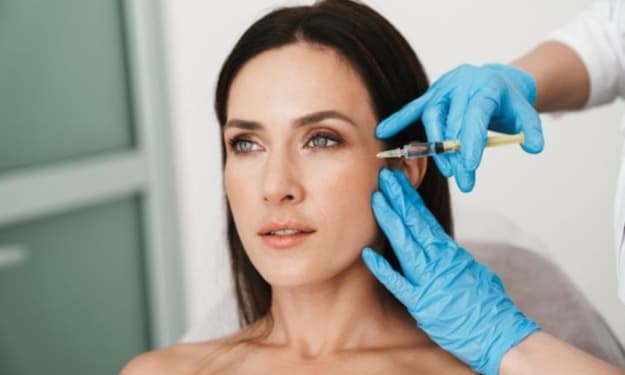
HOW LONG DO BOTOX INJECTIONS LAST FOR WRINKLES?
Botox is a popular cosmetic treatment that is used to reduce the appearance of fine lines and wrinkles on the face. It works by temporarily paralyzing the muscles that cause these lines, resulting in smoother skin. However, one of the most common questions people have about Botox is how long it lasts. In this blog post, we’ll explore How Long Botox Injections Last For Wrinkles in Dubai in detail.
By faisal salim3 years ago in Longevity
Unlock the Fountain of Youth with Hydracellum: The Ultimate Skin Cream Revolution! || Short Video Link Below
Hydracellum: The Holy Grail of Skincare Products? Find Out Now! 🙌" >>CLICK HERE<<!!! Introduction In our quest for eternal youth and radiant skin, the beauty industry has witnessed countless products promising miraculous results. However, finding an effective skincare product that truly lives up to its claims can be a daunting task. Enter Hydracellum, the groundbreaking skin cream that has taken the beauty world by storm. With its advanced formula and exceptional results, Hydracellum has emerged as the ultimate skin cream revolution. In this article, we will delve into the science behind Hydracellum, explore its unique ingredients, and discover how it can transform your skincare routine for the better.
By Mdali Nkosi3 years ago in Longevity
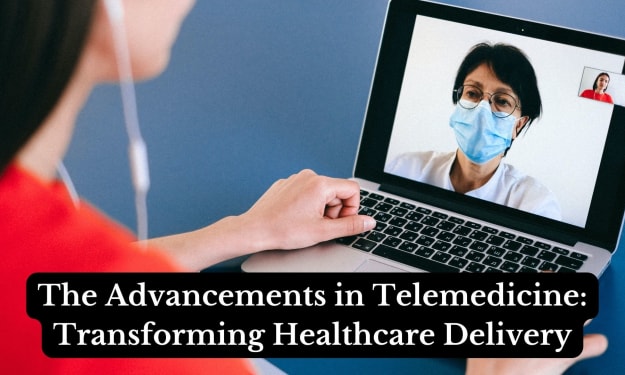
The Advancements in Telemedicine: Transforming Healthcare Delivery
Telemedicine, the use of technology to deliver healthcare remotely, has been around for several years. However, the COVID-19 pandemic has accelerated its adoption and highlighted its potential to transform healthcare delivery. With the latest advancements in telemedicine, patients can now receive medical care from the comfort of their homes, and healthcare providers can remotely monitor patient health and manage chronic diseases. In this blog, we will explore the latest innovations in telemedicine and how they are changing the way healthcare is delivered.
By GelStories3 years ago in Longevity