
Stop Tooth Decay Before It Starts: Protect Your Smile
Simple Steps to Prevent and Treat Cavities
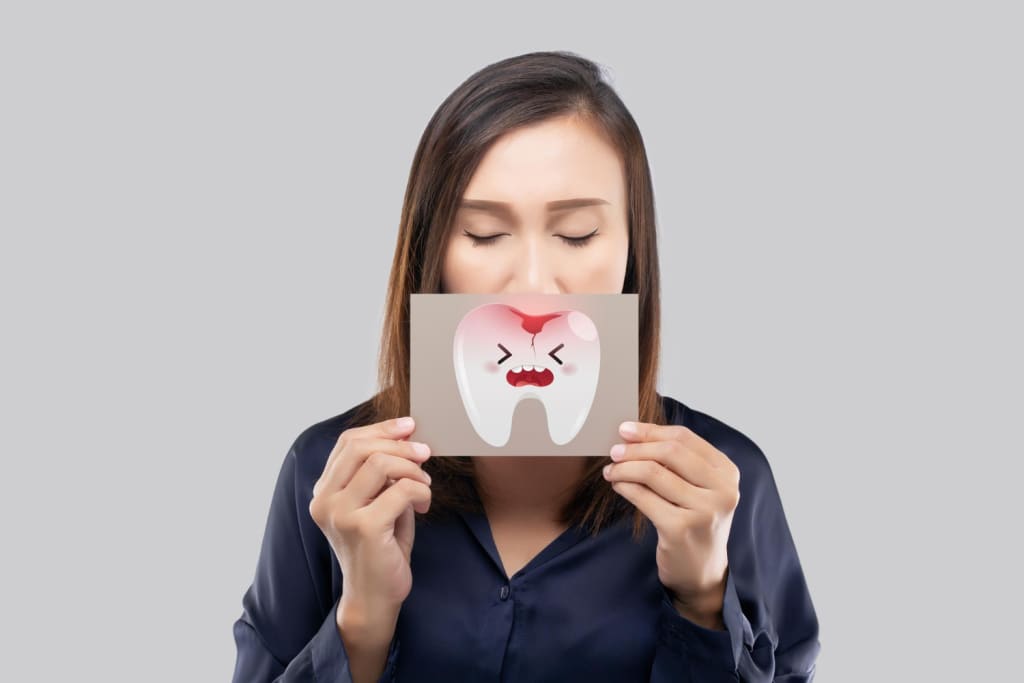
Tooth decay might start small, but its impact on oral health can be significant if left untreated. Whether you’ve experienced a cavity before or want to prevent one, understanding the causes, signs, and treatments of tooth decay is the first step to protecting your smile.
What Is Tooth Decay?
Tooth decay happens when the acid produced by oral bacteria erodes the protective enamel on your teeth. These bacteria produce acid due to feeding on the sugars and starches in your food. Over time, this acid wears away at your enamel, leading to cavities, pain, and even tooth loss if untreated.
Causes of Tooth Decay
Tooth decay develops due to a combination of factors. Here’s what contributes to its formation:
1. Poor Oral Hygiene
Neglecting brushing and flossing allows plaque—a sticky film of bacteria—to build up on teeth. Plaque is the primary culprit behind tooth decay.
2. Diet High in Sugar and Starch
Sugary snacks, fizzy drinks, and carbohydrate-rich foods fuel the microorganisms in your mouth, hastening the deterioration process.
3. Dry Mouth
Saliva is essential for neutralising acids and washing away food particles. A dry mouth creates an environment where decay-causing bacteria thrive.
4. Lack of Fluoride
Fluoride strengthens enamel and helps repair early stages of tooth decay. Without it, your teeth are more vulnerable.
5. Genetics and Dental Structure
Some people are more prone to cavities due to genetic factors or the natural grooves and pits in their teeth, where bacteria can easily hide.
Signs of Tooth Decay
If you catch tooth decay early, you can avoid later, more intrusive procedures. Watch out for these common symptoms:
- Sensitivity to Hot, Cold, or Sweet Foods: If certain foods or drinks make you wince, it could indicate enamel damage.
- Toothache: Persistent pain may signal a cavity or deeper infection.
- Visible Holes or Dark Spots: These are clear signs that decay has progressed.
- Bad Breath or Unpleasant Taste: Accumulated bacteria from decay can lead to halitosis.
- Gum Swelling Around the Tooth: Inflammation near the affected tooth often accompanies advanced decay.
Preventing Tooth Decay
Tooth decay is largely preventable with a consistent and proactive approach to oral care. Here’s how:
1. Brush and Floss Daily
Use fluoride toothpaste in your toothbrush, brush twice or at least once daily, and floss to remove any sticky food particles that might be lodged between your teeth.
2. Choose a Tooth-Friendly Diet
Limit sugary and acidic foods, and incorporate more fibre, dairy, and crunchy fruits and vegetables that stimulate saliva production.
3. Use Fluoride Products
Fluoride toothpaste, mouth rinses, or professional treatments can strengthen your enamel and combat decay.
4. Stay Hydrated
Ensure that you take a lot of water so that saliva can flush over the debris to ensure it is removed. If you suffer from dry mouth, consider discussing treatments with your dentist.
5. Visit Your Dentist Regularly
Routine check-ups allow your dentist to catch early signs of decay and provide professional cleanings to remove plaque buildup.
Treating Tooth Decay
If tooth decay has already developed, several treatments can restore your tooth and prevent further damage. Your dentist will suggest a suitable option depending on how severe the decay is.
1. Fluoride Treatments
For early-stage decay, fluoride can help rebuild weakened enamel and stop cavities from forming.
2. Dental Fillings
Once a cavity forms, your dentist will remove the decayed area and replace it with composite material or amalgam fillings.
3. Crowns
In more severe cases where the tooth's structure has weakened, a crown can be applied to help strengthen the remaining structure.
4. Root Canal Therapy
If the decay spoils to the pulp, the tooth's centre, a root canal is necessary to treat the tooth and end the pain.
5. Tooth Extraction
In rare cases where the tooth's health is compromised beyond usual surgical restoration, we proceed to extraction of the affected tooth. A substitute solution, such as a dental implant or bridge, will be suggested.
Why Addressing Tooth Decay Matters
Ignoring tooth decay can have consequences beyond oral health. Untreated cavities can result in infections, abscesses, and systemic health issues. By taking tooth decay seriously, you’re safeguarding your smile and overall well-being.
Schedule Your Dental Check-Up Today
Preventing and treating tooth decay starts with a visit to your dentist. Regular check-ups and cleanings are your best defence against cavities and ensure your teeth stay strong and healthy.
Book your appointment today to protect your smile from the effects of tooth decay. Your teeth will thank you!
If you are looking for more information on tooth decay treatments in Canley Heights, we have you covered.
About the Creator
Canley Heights Dental Care
Canley heights dentist, your trusted family dentists providing advanced dentistry and same day emergency care. Call (02) 9199 9678 or visit us at 1/229 Canley Vale Rd, Canley Heights NSW 2166
Enjoyed the story? Support the Creator.
Subscribe for free to receive all their stories in your feed.
Comments
There are no comments for this story
Be the first to respond and start the conversation.