
Snow Emergency Level
Breakdown of Snow Emergency Levels

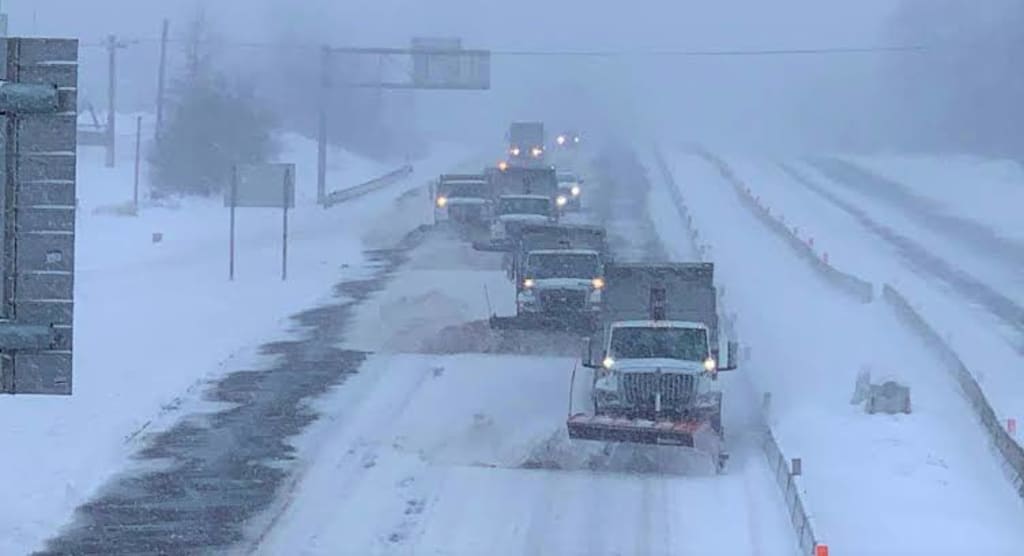
Winter in Ohio can be unpredictable. One day roads are clear, and the next they’re buried under ice and snow. To keep residents safe during severe winter weather, the state uses a system known as snow emergency levels. These alerts help drivers understand road conditions and decide whether travel is safe. Knowing how these levels work can make a real difference during harsh winter storms. What Are Ohio Snow Emergency Levels? Ohio snow emergency levels are declared by county sheriffs based on road safety conditions. The system has three levels—Level 1, Level 2, and Level 3—each signaling a different degree of danger. These declarations are especially important during heavy snowfall, freezing rain, or blizzard-like conditions. Local authorities evaluate visibility, road ice, snow accumulation, and accident reports before issuing an alert. News outlets like 10TV and NBC4i regularly update residents on changing conditions, making it easier to stay informed in real time. Breakdown of Snow Emergency Levels Level 1: Exercise Caution A Level 1 snow emergency means roads may be slippery, especially on bridges and less-traveled streets. Travel is still permitted, but drivers are advised to slow down and remain cautious. Many Ohioans see this level frequently during light snow events. Level 2 Snow Emergency: Travel Only If Necessary A Level 2 snow emergency signals that road conditions are hazardous. Snow-covered roads, reduced visibility, and increased accident risk are common. Authorities recommend driving only if absolutely necessary. In cities like Columbus, residents often check weather Columbus Ohio updates before heading out. Employers may adjust work schedules, and schools sometimes move to delays or remote learning. Level 3 Snow Emergency: Roads Closed A Level 3 snow emergency is the most serious alert. Roads are considered extremely dangerous or impassable. Only emergency vehicles are legally allowed on the roads, and non-essential travel can result in fines or arrest. During severe winter storms, snow emergency Ohio declarations at Level 3 are taken very seriously, particularly in densely populated counties. Franklin County Snow Emergency Level Explained The Franklin County snow emergency level is closely watched because it affects Columbus and surrounding areas. With high traffic volume and busy highways, even moderate snowfall can quickly turn dangerous. When Franklin County reaches Level 2 or Level 3, local stations such as 10TV and NBC4i provide frequent updates alongside Columbus weather forecasts. Residents are encouraged to monitor official sheriff announcements rather than relying on social media rumors. Staying Updated on Current Snow Emergency Levels Checking current snow emergency levels should be part of every Ohio resident’s winter routine. Conditions can change quickly, especially during overnight storms. Reliable sources include: County sheriff websites and social media pages Local news outlets like NBC4i and 10TV Live Columbus Ohio weather broadcasts Emergency alert notifications on mobile devices In cities like Cleveland and Cincinnati, regional forecasts such as Cleveland weather and Cincinnati weather reports play a key role in early preparation. Snow Emergencies and Major Ohio Cities Columbus Because of its size and traffic density, weather Columbus Ohio updates are critical during winter storms. A Level 2 declaration often leads to lighter traffic, while Level 3 can bring the city to a near standstill. Cleveland Lake-effect snow frequently impacts northern Ohio. Cleveland weather reports often warn residents days in advance, but snow emergency levels can still change rapidly depending on accumulation and wind conditions. Cincinnati Although southern Ohio typically sees less snow, ice storms are common. Cincinnati weather alerts often focus on freezing rain, which can be just as dangerous as heavy snow. Why Snow Emergency Levels Matter Snow emergency levels are not meant to create panic. Their purpose is safety. Emergency responders need clear roads to reach people in need, and unnecessary travel during severe weather increases the risk of accidents. By respecting these alerts, residents help keep communities safer and allow road crews to clear streets more efficiently. Tips for Winter Preparedness Check current snow emergency levels before traveling Keep an emergency kit in your vehicle Follow local news for snow emergency Ohio updates Avoid unnecessary travel during Level 2 or Level 3 alerts Plan errands ahead when severe weather is forecast Final Thoughts Winter weather is a part of life in Ohio, but it doesn’t have to be dangerous. Understanding Ohio snow emergency levels, staying informed through trusted sources like 10TV and NBC4i, and respecting official travel advisories can help everyone get through the season safely. Whether you’re monitoring a Franklin County snow emergency level, checking Columbus weather, or keeping an eye on Cleveland weather, preparation and awareness are the best tools for winter survival. Staying off unsafe roads isn’t just smart—it’s responsible.
About the Creator
Saboor Brohi
I am a Web Contant writter, and Guest Posting providing in different sites like techbullion.com, londondaily.news, and Aijourn.com. I have Personal Author Sites did you need any site feel free to contact me on whatsapp:
+923463986212
Enjoyed the story? Support the Creator.
Subscribe for free to receive all their stories in your feed.
Comments
There are no comments for this story
Be the first to respond and start the conversation.