
Signs You Need a Dentist for Sleep Apnea Treatment
Family Smiles Of Fleming Island
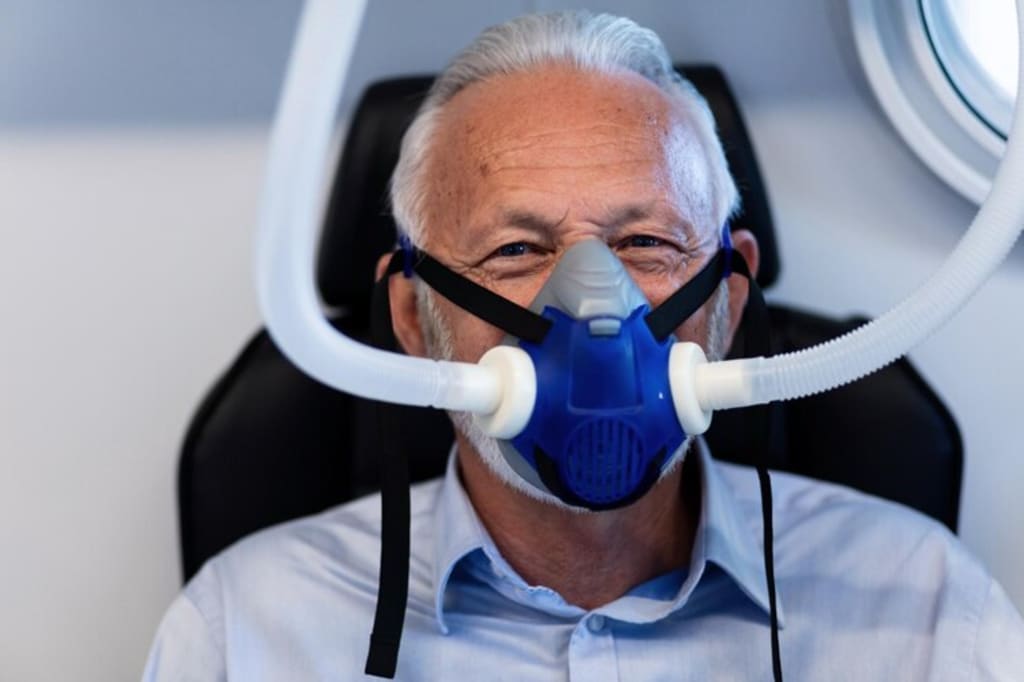
Sleep apnea is a serious condition that affects millions of people worldwide. It occurs when breathing is repeatedly interrupted during sleep, leading to poor rest, fatigue, and potential long-term health risks. While many associate sleep apnea with CPAP machines, few realize dentists can provide effective treatment options. Dental professionals specializing in sleep apnea treatment Fleming Island can offer oral appliances to keep your airway open, reducing symptoms and improving sleep quality.
Here are 10 signs you need a dentist for sleep apnea.
1. Chronic Snoring and Breathing Issues
One of the most common signs of sleep apnea is loud, persistent snoring. While snoring alone doesn’t always indicate sleep apnea, it can be a major red flag—especially if it’s accompanied by pauses in breathing or gasping for air during sleep. Dentists trained in sleep apnea treatment can evaluate your symptoms and recommend custom-fitted oral appliances that help keep your airway open while you sleep, reducing snoring and breathing interruptions.
2. Frequent Morning Headaches
If you wake up with headaches regularly, it could be due to low oxygen levels during sleep—a common issue in people with sleep apnea. Oxygen deprivation can cause blood vessels to expand, leading to discomfort and headaches in the morning. A sleep apnea dentist can assess whether an oral appliance could improve your airflow and help prevent these recurring headaches.
3. Dry Mouth and Sore Throat Upon Waking
Waking up with a dry mouth or sore throat can signal that you're breathing through your mouth excessively during sleep. This often happens when the airway is partially blocked, causing the body to compensate by increasing mouth breathing. A dentist can create a custom oral device to promote better nasal breathing, reducing dryness and discomfort.
4. Excessive Daytime Fatigue and Sleepiness
Feeling tired even after a full night’s sleep is a major warning sign of sleep apnea. Interrupted breathing prevents your body from reaching deep, restorative sleep stages, leading to chronic fatigue, difficulty concentrating, and irritability throughout the day. If you're constantly feeling exhausted, a dentist can evaluate your condition and determine if an oral appliance could improve your sleep quality.
5. Jaw Pain and Teeth Grinding (Bruxism)
Bruxism, or teeth grinding, is often linked to sleep apnea. Many people with sleep apnea unconsciously clench their jaws or grind their teeth at night, leading to jaw pain, worn-down teeth, and even temporomandibular joint (TMJ) issues. A dentist trained in sleep apnea treatment can provide a custom-fitted mouthguard to prevent teeth grinding and help keep your airway open while you sleep.
6. High Blood Pressure and Cardiovascular Issues
Untreated sleep apnea can increase the risk of high blood pressure, heart disease, and other cardiovascular problems due to repeated oxygen deprivation during sleep. If you have been diagnosed with high blood pressure and are also experiencing sleep issues, a dentist specializing in sleep apnea treatment can offer non-invasive solutions to improve your breathing and reduce cardiovascular strain.
7. Gasping or Choking During Sleep
If your partner has noticed that you often gasp for air or choke during sleep, it may be a sign that your airway is collapsing—one of the key characteristics of obstructive sleep apnea (OSA). A dentist can create a custom oral appliance that repositions your jaw to prevent airway blockages and allow smoother breathing.
8. Difficulty Adjusting to CPAP Therapy
While CPAP (Continuous Positive Airway Pressure) machines are the standard treatment for moderate to severe sleep apnea, many people find them uncomfortable, noisy, or difficult to use. If you're struggling with CPAP therapy, a dental sleep specialist can offer an alternative solution with an oral appliance that is more comfortable, portable, and easier to use.
How a Dentist Can Help with Sleep Apnea
Dentists trained in sleep apnea treatment can provide customized oral appliances designed to keep your airway open and prevent interruptions in breathing. These appliances gently reposition the lower jaw and tongue, improving airflow and reducing symptoms. Many patients find oral appliances more comfortable and convenient compared to CPAP therapy.
Conclusion
If you experience any of the above signs, it may be time to visit a top-rated dentist Fleming Island, specializing in sleep apnea treatment. From reducing snoring and morning headaches to preventing jaw pain and cardiovascular issues, a dentist can help you find a solution tailored to your needs. Don’t let sleep apnea disrupt your life—seek expert care and start enjoying restful sleep again.
About the Creator
Family Smiles
Family Smiles of Fleming Island is your leading destination for premium dental care. Our dentist in Fleming Island offers various services including dental implants, grinding night guards, teeth whitening,and sleep apnea treatment.
Enjoyed the story? Support the Creator.
Subscribe for free to receive all their stories in your feed.
Comments
There are no comments for this story
Be the first to respond and start the conversation.