
Sheth Jeebun and the Power of Leadership That Puts People First
A story of care, responsibility, sustainability, and purpose

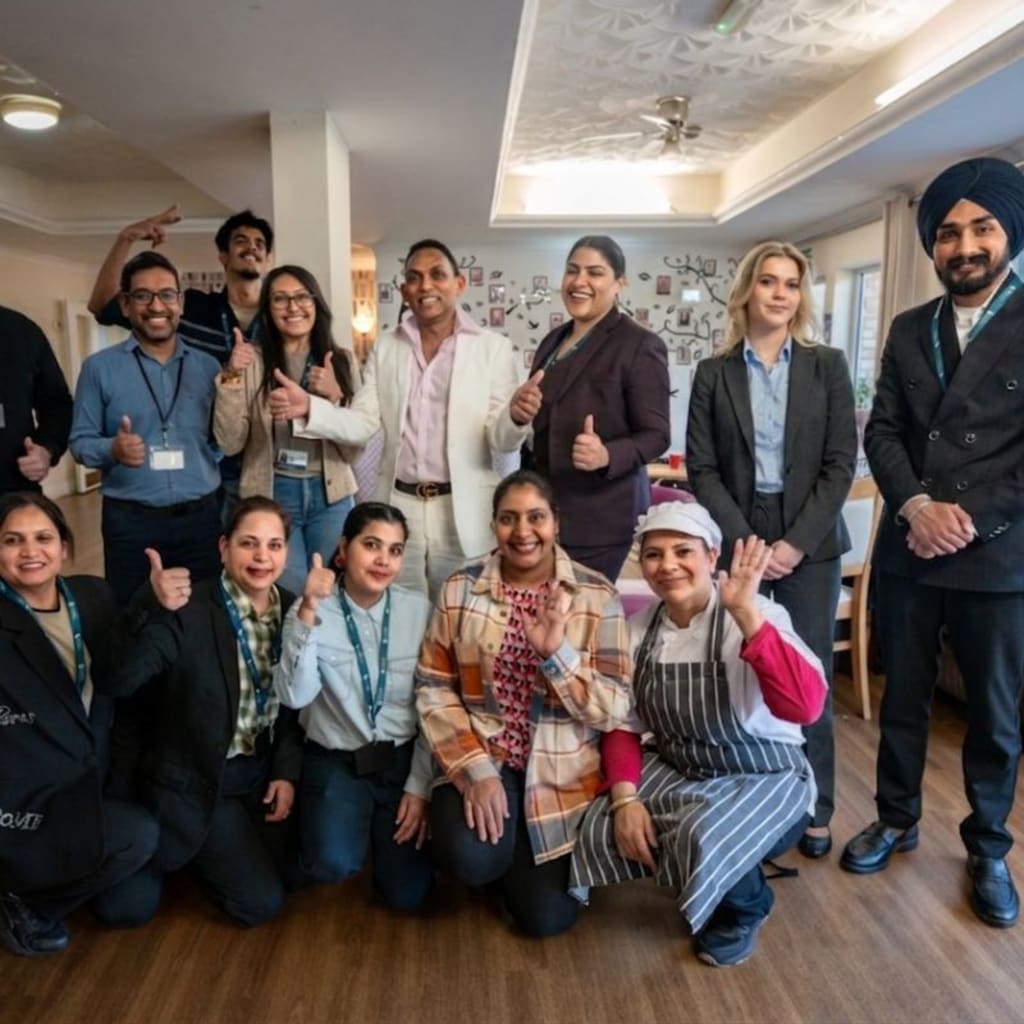
Leadership is often discussed in terms of success, growth, and influence. But the most meaningful kind of leadership is usually measured in a quieter way. It is seen in the lives improved, the people supported, the teams strengthened, and the communities given new opportunities. Sheth Jeebun’s professional journey reflects this deeper form of leadership. From his early career as a registered nurse to his work in healthcare, sustainability, and community impact, his path has been shaped by a clear belief: success should serve a human purpose. The source article describes his background in nursing, more than three decades in healthcare, his role in Cardinal Healthcare, and his sustainability work through Vayu Earth.
What makes his journey stand out is the foundation on which it began. Nursing is not only a profession of skill; it is a profession of patience, observation, empathy, and emotional strength. Working closely with people who need care gives a person a direct understanding of vulnerability. It teaches that dignity is not an abstract idea. It is something protected through daily actions, kind communication, respectful support, and attention to small details.
For Sheth Jeebun, those early experiences appear to have shaped a long-term vision of healthcare that goes beyond systems and procedures. Healthcare needs structure, safety, and professional standards, but it also needs warmth. A care environment can be efficient and still feel cold if it forgets the person at the centre of the service. That is why person-centred care remains such an important theme in his work.
Through Cardinal Healthcare, Jeebun’s approach focuses on creating care settings where residents are treated as individuals rather than as numbers in a system. This is especially important in specialist dementia care. People living with dementia may face confusion, memory loss, anxiety, or changes in communication. Their surroundings, routines, and relationships can greatly affect how safe and supported they feel. A thoughtful care model recognises that each resident has a personal history, preferences, fears, habits, and emotional needs.
In this sense, care is not simply about completing tasks. It is about preserving identity. It is about helping someone feel seen even when they may struggle to express themselves. It is about building a home-like environment where comfort, familiarity, and reassurance matter as much as professional support. This kind of care requires patience, training, and a culture that values compassion as a serious standard.
That is another important part of Sheth Jeebun’s leadership philosophy: strong care depends on strong teams. Care workers carry an enormous responsibility. They support residents through ordinary routines and difficult moments. They notice changes, provide comfort, speak with families, and help create stability in people’s lives. When staff are respected, trained, and supported, the quality of care naturally becomes stronger.
This people-first outlook also extends beyond healthcare. Jeebun’s work through Vayu Earth reflects a wider understanding of responsibility. Sustainability is often discussed only in environmental terms, but true sustainability also includes fairness, opportunity, and community wellbeing. A business that thinks ethically about sourcing, production, and social impact can become more than a commercial project. It can become a tool for empowerment.
Vayu Earth’s mission connects environmental awareness with community benefit, especially by supporting fairer opportunities for rural communities and women. This shows that sustainability is not only about protecting nature. It is also about improving the way people live, work, and participate in economic life. When businesses are designed with social responsibility at their core, they can help create change that reaches far beyond their products.
This wider vision connects with the idea of “One Health,” which recognises that human wellbeing, community strength, and environmental health are deeply linked. A person’s quality of life is affected by the care they receive, the community around them, and the environment they live in. A healthy society cannot be built by focusing on only one of these areas. It requires a connected approach.
Sheth Jeebun’s journey offers a useful lesson for modern leaders. Purpose should not be treated as a slogan placed on a website or used in marketing language. It should be visible in decisions. It should shape how organisations treat people, how they support workers, how they respond to communities, and how they plan for the future.
In the end, his story is not only about healthcare or sustainability. It is about a leadership model built on care, responsibility, and long-term impact. It reminds us that the best organisations are not only those that grow, but those that give something meaningful back. True leadership does not end with achievement. It continues through service, compassion, and the courage to build with purpose.
About the Creator
ellenawrites
Ellena is a content writer and freelancer. How can I assist you further with your writing or projects?
Enjoyed the story? Support the Creator.
Subscribe for free to receive all their stories in your feed.
Comments
There are no comments for this story
Be the first to respond and start the conversation.