
Sheth Jeebun and the Meaning of Modern Leadership
A human-centred approach to care, sustainability, and social good

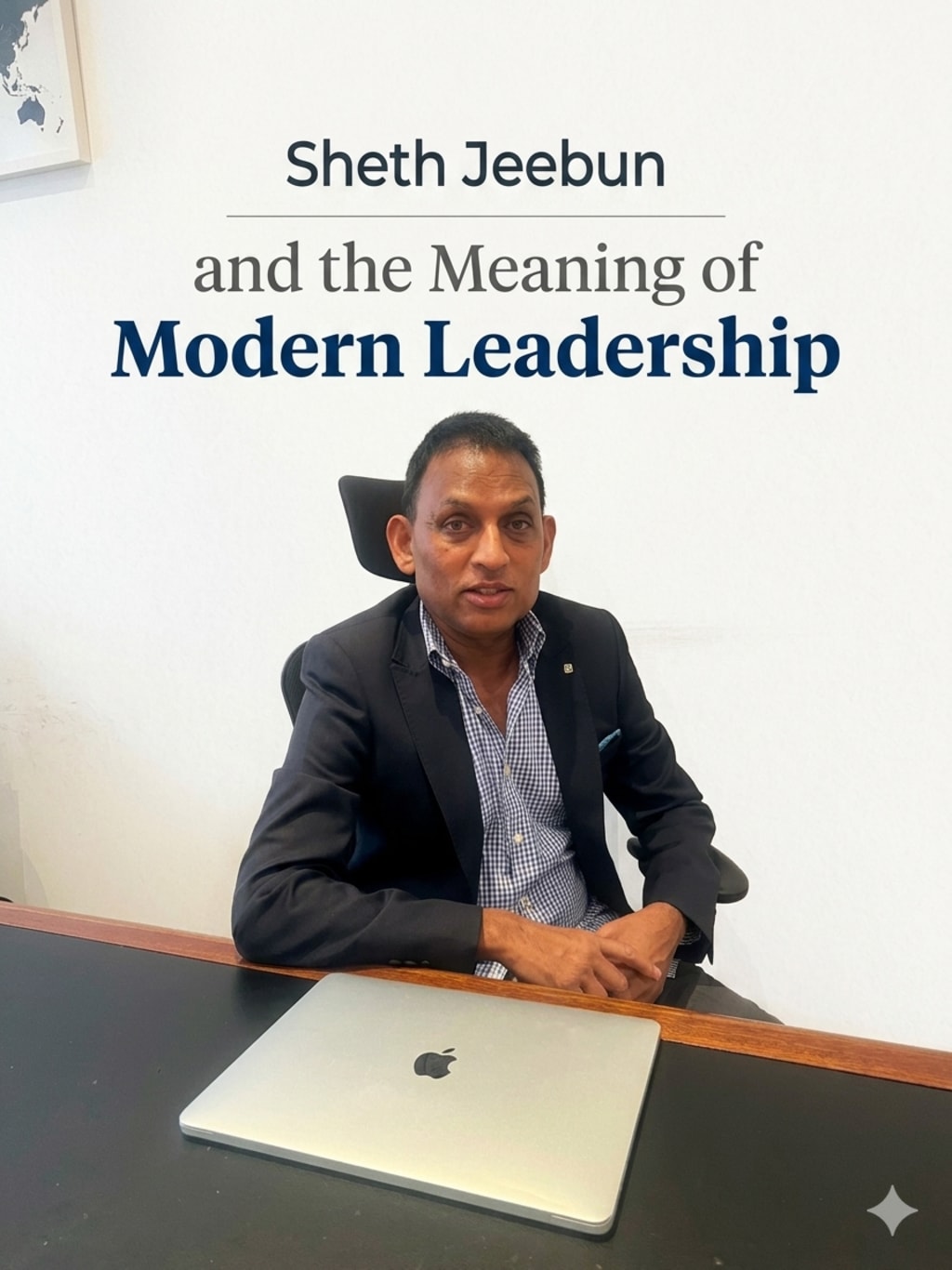
Modern leadership is changing. In the past, success was often measured mainly by expansion, revenue, or public recognition. Today, those measures still matter, but they are no longer enough. People want leaders who act with responsibility, build with purpose, and understand the human consequences of their decisions. Sheth Jeebun’s work across healthcare and sustainability reflects this changing definition of leadership.
His professional story began in a place where leadership is learned through service: nursing. As a registered nurse, he gained direct experience of supporting people during vulnerable moments. This kind of work teaches lessons that cannot be learned from theory alone. It shows the importance of listening carefully, responding with patience, and treating every individual with dignity.
Those early experiences helped shape a leadership style based on empathy. In healthcare, empathy is not optional. It affects how people feel, how families trust a service, and how staff approach their work. For Sheth Jeebun, this human-centred understanding became a foundation for later decisions in the care sector.
With more than 30 years of involvement in healthcare, he has built a career around improving care standards and supporting people who need specialist attention. His work through Cardinal Healthcare reflects this commitment. Rather than viewing care as a purely operational service, his approach places residents’ wellbeing at the centre.
This matters because care settings are not just workplaces or facilities. For residents, they are living environments. The atmosphere, staff behaviour, daily routines, and emotional support all affect quality of life. A good care home must therefore provide more than safety. It must create comfort, familiarity, and respect.
This is especially true in dementia care. People living with dementia may experience confusion, memory loss, and emotional distress. Their surroundings and the people caring for them can make a significant difference. A thoughtful care model recognises that kindness, consistency, and individual attention are essential. It treats each person as someone with a history, personality, and continuing need for dignity.
Sheth Jeebun’s approach also recognises that care quality depends on teams. Staff are the heart of any care organisation. They are the ones who notice small changes, offer reassurance, speak with families, and create daily moments of comfort. Supporting staff through training, development, and a positive workplace culture is therefore not separate from resident care. It is part of it.
What makes his journey broader is that his purpose extends beyond healthcare alone. Through Vayu Earth Ltd, Sheth Jeebun has moved into sustainability and ethical business. This step reflects a wider understanding of responsibility. Caring for people and caring for the planet are not disconnected ideas. Both require long-term thinking, ethical choices, and concern for future wellbeing.
Vayu Earth represents a sustainability-led vision connected to conscious living and community impact. It highlights how businesses can be designed to support more than commercial goals. Ethical sourcing, environmental awareness, and community opportunity can all become part of a business model when leaders choose to build with intention.
This combination of healthcare and sustainability points toward a larger philosophy. Human health, community wellbeing, and environmental balance are deeply linked. A community cannot truly thrive if its people are unsupported. People cannot fully thrive if their environment is neglected. Future generations cannot be protected without responsible decisions today.
That is why Sheth Jeebun’s work speaks to the idea of purpose-driven leadership. It is not about choosing between business and social good. It is about understanding that the two can work together when values guide action. Healthcare can be compassionate and professionally strong. Sustainability can be ethical and commercially active. Community impact can be built into the way organisations operate.
His career also offers a lesson for leaders in any sector. Purpose should not be treated as a slogan. It must appear in everyday decisions: how teams are supported, how residents are cared for, how communities are included, and how the environment is considered. When purpose is real, it becomes visible in culture, strategy, and outcomes.
In the end, Sheth Jeebun’s journey is a reminder that leadership is not only about reaching the top. It is about carrying responsibility once you get there. It is about using experience to improve systems, using business to create value, and using influence to support people who need it most.
That kind of leadership is needed now more than ever. It is practical, compassionate, and future-focused. Most importantly, it shows that true success is not only measured by what a leader builds, but by the positive difference that work leaves behind.
About the Creator
shoaib hikesol
Welcome to Writer Zone, a vibrant community for writers of all levels. Whether you're a budding author, seasoned novelist, or passionate blogger, Writer Zone offers a supportive environment to hone your craft.
Enjoyed the story? Support the Creator.
Subscribe for free to receive all their stories in your feed.
Comments
There are no comments for this story
Be the first to respond and start the conversation.