
Routine Hearing Screenings in Children Why They Matter
Ensuring Early Detection and Lifelong Communication Success
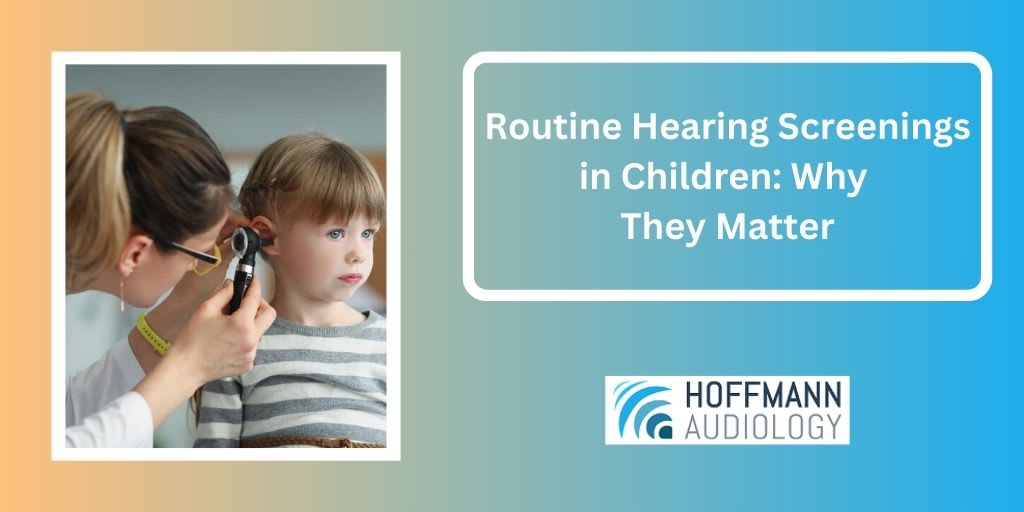
Hearing plays a crucial role in a child’s ability to develop speech, language, social skills, and learning capabilities. From infancy through adolescence, a child’s capacity to hear well significantly influences how they interact with the world around them. That’s why routine hearing screenings are not just recommended — they are essential. These regular check-ups help identify hearing issues early, paving the way for timely interventions that can make a lifelong difference.
Why Hearing Screenings Are Important
Many parents naturally pay attention to their child’s vision, physical health, and even emotional well-being, but hearing health can sometimes be overlooked. Yet hearing is deeply tied to a child’s cognitive, emotional, and academic growth.
In the early years, especially before a child learns to speak, hearing problems may not be immediately obvious. A child might appear to respond inconsistently, or their speech might not develop at the expected rate. These signs can easily be mistaken for behavior or developmental differences unless properly assessed through a hearing screening.
Routine screenings ensure that if there is a problem, it is detected early — often before it leads to more complex issues like delayed speech, social isolation, or academic challenges.
When Should Hearing Screenings Be Done?
Hearing screenings are part of a comprehensive pediatric health schedule and are typically conducted at several key points in a child’s development:
- Newborn Hearing Screening: Most hospitals screen babies within the first few days of life. This early detection helps identify congenital hearing loss.
- Infancy to Toddlerhood (0–3 years): Regular follow-ups are recommended, especially if there are risk factors like premature birth, frequent ear infections, or family history of hearing loss.
- Preschool Age (3–5 years): As children begin to speak and interact socially, this is a critical time to screen for hearing issues.
- School Age and Beyond: Children should continue to have hearing screenings during school physicals or as part of routine well-child visits.
Some schools conduct screenings during early grades, which can catch cases of late-onset or acquired hearing loss.
What Happens During a Hearing Screening?
A hearing screening is usually a quick and painless process. For infants, tests may involve placing small sensors in the ear to measure how sound moves through the ear canal and into the brain. For older children, the screening may involve wearing headphones and identifying sounds or tones at various pitches and volumes.
These are not full diagnostic tests but rather preliminary checks to determine whether a child may need further evaluation. If the screening suggests a possible hearing issue, the child will be referred to an audiologist or hearing specialist for more comprehensive testing.
Common Causes of Hearing Loss in Children
Routine screenings can detect a range of issues, from temporary to more permanent conditions. Some common causes of hearing loss in children include:
- Congenital hearing loss: Present at birth, it may be due to genetic factors or complications during pregnancy or delivery.
- Middle ear infections (otitis media): These are common in young children and can cause temporary hearing loss.
- Earwax buildup or foreign objects in the ear: These can block sound and affect hearing.
- Noise-induced hearing loss: Prolonged exposure to loud noises, including music played through headphones, can damage hearing over time.
- Injury or illness: Certain infections, such as meningitis or measles, can lead to hearing loss.
Early detection of any of these issues can help minimize the impact on a child's development.
How Hearing Loss Affects Child Development
Hearing plays a pivotal role in a child’s language and speech development. Children learn to speak by listening to those around them — parents, siblings, teachers, and peers. When hearing is impaired, so is this learning process.
Undetected hearing problems can result in:
- Delayed speech and language skills
- Academic struggles, especially with reading and verbal instructions
- Difficulty following directions
- Social withdrawal or behavioral issues
- Lower self-esteem due to communication challenges
With early diagnosis and appropriate interventions (like speech therapy or assistive hearing technology), many of these difficulties can be effectively managed or even avoided.
Role of Parents and Educators
Parents and educators are often the first to notice signs that something may not be quite right. Some warning signs include:
- Limited speech or delayed talking
- Frequently asking "What?" or seeming inattentive
- Turning the TV volume up too high
- Not responding when called
- Difficulty understanding speech in noisy environments
If you notice any of these signs, it’s important to schedule a hearing screening promptly — even if your child has passed one in the past. Hearing issues can develop over time, and consistent monitoring is key.
Conclusion
Routine hearing screenings are a simple, proactive way to support a child’s health and future success. Hearing is foundational to how children learn, connect, and grow. Identifying potential problems early — even before symptoms become obvious — helps ensure that each child has the best possible opportunity to reach their full potential.
Regular screenings, combined with parental awareness and professional care, can make all the difference. Don't wait for signs of trouble. Make hearing screenings part of your child's regular healthcare routine.
Disclaimer: Please note that this information is for educational purposes only. There is no patient-doctor relationship established. Please consult your healthcare provider for individualized recommendations.
About the Creator
Enjoyed the story? Support the Creator.
Subscribe for free to receive all their stories in your feed.
Comments
There are no comments for this story
Be the first to respond and start the conversation.