
Purpose-Driven Leadership: What Sheth Jeebun’s Journey Teaches About Care and Impact
How compassion, healthcare, sustainability, and community responsibility can work together

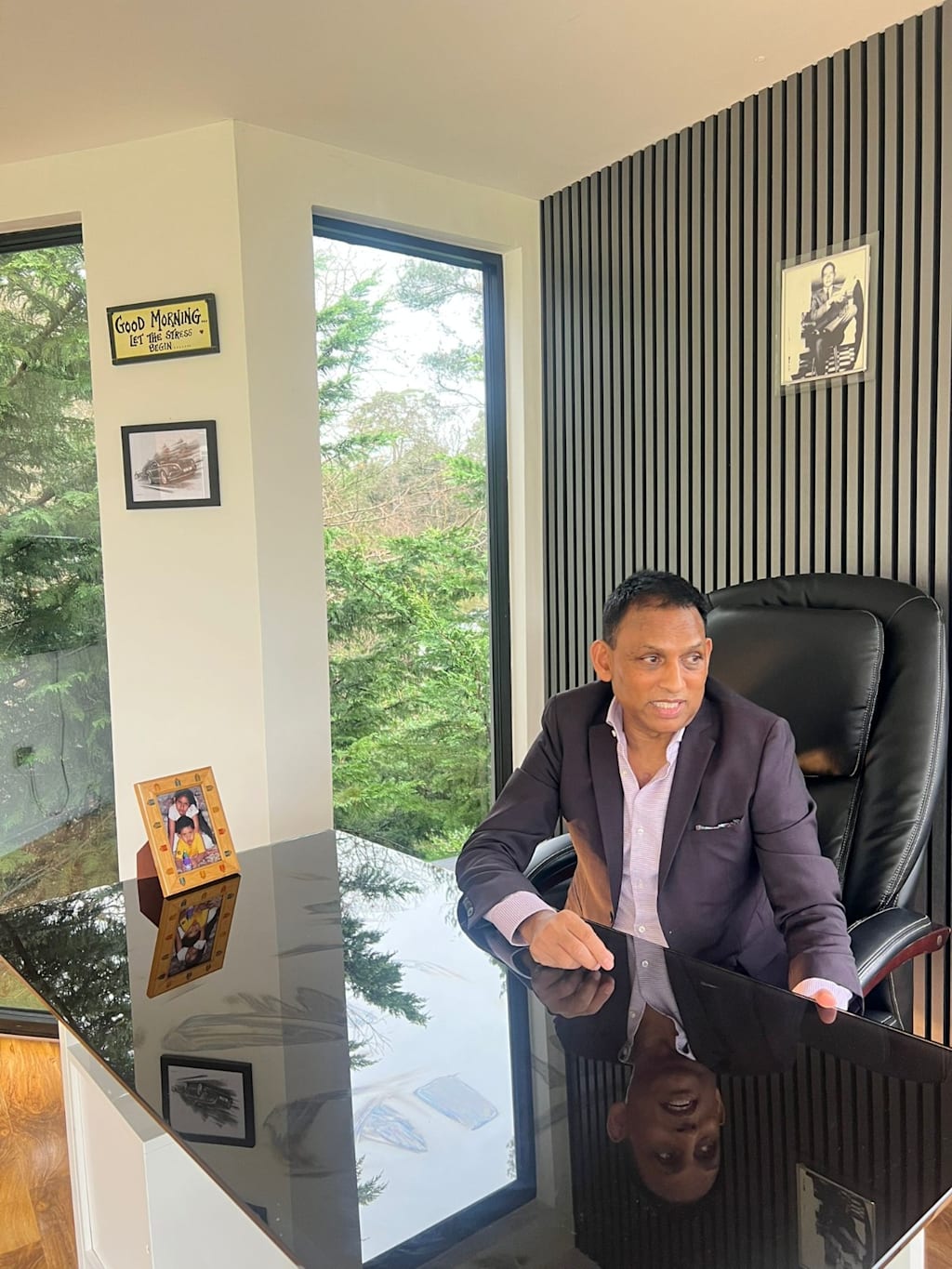
In a world where many leaders are judged by numbers, expansion, and public recognition, Sheth Jeebun’s journey highlights a different kind of success. His work shows that leadership can be practical and compassionate at the same time. It can build organisations while also supporting people. It can focus on business growth while still remaining connected to dignity, care, and social responsibility. The article presents Jeebun as a former registered nurse with more than 30 years in healthcare, founder of Cardinal Healthcare, and creator of Vayu Earth, a sustainability-focused brand connected to ethical practice and community impact.
The most important part of this story is where it begins: care. Starting a career in nursing gives a leader a very different understanding of people. It places them close to real human needs. It shows them what families experience when loved ones require support. It teaches the value of patience, listening, and emotional awareness. These lessons are not easily learned from a boardroom. They come from direct experience.
This background helps explain why Jeebun’s healthcare work appears to focus so strongly on dignity. Care is not only about providing a service. It is about how that service feels to the person receiving it. For elderly residents, vulnerable individuals, or people living with dementia, the emotional atmosphere of a care setting can make a major difference. A safe and respectful environment can help people feel calmer, more valued, and more connected.
Cardinal Healthcare reflects this type of thinking. Rather than viewing care only as a clinical responsibility, the organisation’s vision is connected to quality of life. This is especially relevant in dementia care, where personal attention and consistency are essential. Dementia affects memory and communication, but it does not remove a person’s need for respect, comfort, and belonging. Every resident still has a story, a personality, and a right to be treated with kindness.
A person-centred care model recognises these realities. It asks care providers to understand the individual, not just the condition. What makes a resident feel secure? What routines help them? What memories, activities, or interactions bring comfort? What level of independence can still be supported? These questions matter because good care is not generic. It must adapt to the person.
But even the best care vision depends on the people delivering it. This is why staff culture is so important. Care teams need more than instructions. They need training, encouragement, leadership, and respect. They need to feel that their work is valued because their work carries emotional weight. When staff members feel supported, they are more likely to provide steady, compassionate, and attentive care.
Sheth Jeebun’s leadership approach shows that caring for residents and supporting staff are not separate goals. They are connected. A strong care culture is created when everyone involved feels part of a meaningful mission. Residents benefit from consistency and warmth. Families gain confidence. Staff members feel proud of their role. The organisation becomes stronger because compassion is built into its daily practice.
What makes Jeebun’s journey broader is that his purpose extends beyond healthcare. Through Vayu Earth, he has moved into sustainability and ethical enterprise. At first, healthcare and sustainability may seem like separate areas, but they are linked by a common idea: responsibility for wellbeing. Healthcare protects and supports people in direct ways. Sustainability protects communities and future generations in wider ways.
Vayu Earth represents the belief that business can be designed with conscience. Ethical sourcing, environmental awareness, and community empowerment can become part of how a company operates. This is especially powerful when sustainability is connected to social impact, such as creating fair income opportunities and supporting rural communities and women. It shows that environmental responsibility should also include human responsibility.
This is where the idea of “One Health” becomes meaningful. People, communities, and the environment are not isolated from one another. A damaged environment affects health. Weak communities affect wellbeing. Poor care affects dignity. Responsible leadership must understand these connections and make decisions that support long-term balance.
Sheth Jeebun’s work offers a valuable message for today’s leaders. Purpose is not only about having good intentions. It is about building systems that reflect those intentions. It is about making compassion visible in healthcare, fairness visible in business, and responsibility visible in sustainability.
His journey reminds us that leadership is not simply about reaching a position of influence. It is about what a person chooses to do with that influence. When experience is combined with empathy, and when business is guided by values, leadership becomes more than management. It becomes a force for lasting impact.
At its heart, this is the lesson his story provides: meaningful success is not only measured by what is built, but by who is helped, who is empowered, and what kind of future is created along the way.
About the Creator
Jack Root
Jack Root delivers innovative IT & software solutions — from web & app development to ERP & SAP training — empowering businesses to grow.
Enjoyed the story? Support the Creator.
Subscribe for free to receive all their stories in your feed.
Comments
There are no comments for this story
Be the first to respond and start the conversation.