
Oh No, What’s Happening to My Body at 35?!
I Thought I Was Fine—Why Am I Falling Apart?
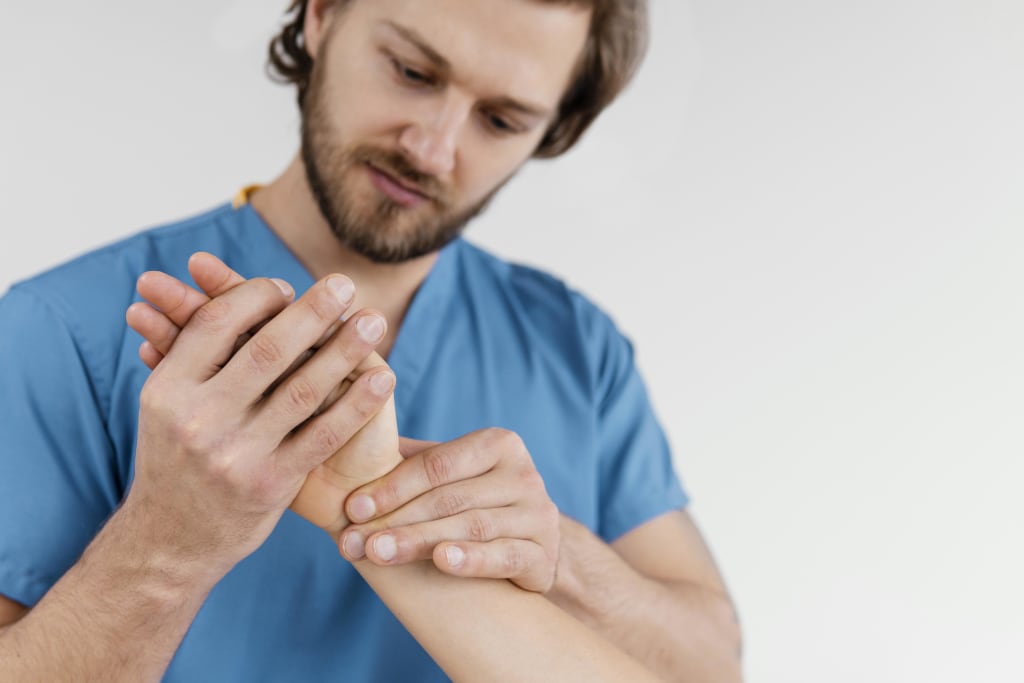
I get it—one day, you wake up and suddenly everything feels a little off. You stretch, but your back groans. Your knees crack when you bend. And by lunchtime, you’re rubbing your shoulders and wondering how you got this stiff. Trust me, you’re not alone. Hitting 35 can feel like your body decided to hit the brakes on you, and you’re left wondering, “Wait, what did I do wrong?”
The truth? It’s not you. It’s your body. By 35, a mix of time, stress, and neglect catches up, and all those years of sitting, skipping stretches, or brushing off small pains come back with a vengeance.
Fun Fact: Adults aged 35 to 44 spend an average of 3.9 hours per day on leisure and sports activities, less than all other age groups.
I Thought I Was Fine—Why Am I Falling Apart?
Let me be real: it’s not like 35 magically makes your body hit “old mode,” but there are changes happening under the surface. The things we took for granted in our 20s—like bouncing back after a rough night or recovering quickly from sore muscles—aren’t so automatic anymore. Here’s what’s going on:
First, you start to lose muscle mass. Research indicates that muscle mass decreases by about 1% per year after age 50.
Without strength training or activity, muscles get weaker, and you might start feeling less stable—like picking up groceries suddenly feels like a workout.
Then there’s your joints. Years of moving, sitting, or carrying kids add wear and tear to your body, even if you didn’t notice it before. The hips, knees, and lower back take the biggest hit, especially if you sit a lot for work (and let’s be honest, most of us do). Suddenly, little aches start turning into “why-does-this-hurt-all-the-time” pains.
And don’t get me started on stiffness. Do you feel like it takes you ten minutes to fully unfold when you get out of bed? Flexibility naturally decreases with age, making everything feel tighter and harder to move.
Fun Fact: Flexibility decreases with age, but regular stretching can help maintain it.
It’s Like My Body Has a Grudge Against Me
If you’ve ever caught yourself saying, “Why do I feel like I’m 80?” after a long day, I hear you. Life at 35 often means long hours at work, endless responsibilities, and zero time for yourself. And here’s the kicker: stress makes it worse.
Stress doesn’t just live in your mind—it camps out in your body. For me, it’s always in my shoulders and neck. Stress tightens muscles, creates tension, and makes pain feel worse than it actually is. Combine that with poor sleep because, let’s face it, adults rarely sleep like babies, and it’s no wonder you’re waking up exhausted and achy.
Fun Fact: Stress can cause muscle tension, leading to pain and tightness in your muscles.
My Lifestyle Is Catching Up With Me, Isn’t It?
Yeah, kind of. I realized I spent years ignoring small discomforts because I thought, “It’s no big deal, I’m fine.” But that nagging lower back pain? It didn’t magically go away. That tightness in my hips after sitting too long? It’s still there—and now it’s worse.
Sitting is a major culprit here. Desk jobs, hours of scrolling on your phone, or long commutes mean we’re hunched over all the time. This:
Weakens your core muscles—and weak core = lower back pain.
Tightens your hips and hamstrings, which pull on your lower back.
Strains your neck and shoulders, leaving you hunched over and stiff.
It’s like your body is trying to tell you, “Move! Stretch! Pay attention to me!” but most of us don’t listen.
Fun Fact: Prolonged sitting can lead to poor posture, causing issues like rounded shoulders, neck strain, and loss of the natural curve in your lower back.
So, What Can You Do About It?
First, you need to start moving more. No, I’m not saying you have to become a gym rat or sign up for a marathon tomorrow. Start small—take short walks during the day, stretch for 10 minutes before bed, or try simple movements like hip openers and cat-cow stretches. Trust me, it doesn’t take much. Before you know it, your back will stop screaming every time you stand up, and your hips will feel looser.
Fun Fact: Incorporating a stretching routine, even in as little as 10 minutes per day, can offer powerful health benefits, including mitigating chronic pain and improving range of motion.
Next, stop ignoring the pain. This is what I see all the time—people brushing off little aches until they can’t ignore them anymore. I promise you, booking a session for massage therapy SE will change everything. Orthopedic massage isn’t just about “feeling good”—it’s about getting results. I focus on targeting pain points, loosening tight tissues, and helping your body move the way it’s supposed to. You’ll walk out feeling like a new person—lighter, looser, and ready to take on your day.
Fun Fact: Massage therapy can decrease cortisol levels by up to 30%, significantly reducing stress.
And finally, give acupuncture a try. Look, I get it—tiny needles sound intimidating, and I was skeptical at first too. But after one session, the results speak for themselves. Acupuncture melts away stress, pain, and tension like nothing else. It’s like pressing the reset button on your body—suddenly, you feel calm, balanced, and pain-free. That nagging lower back discomfort you’ve been dealing with? Gone.
Fun Fact: Acupuncture stimulates the release of endorphins, your body’s natural painkillers, and improves blood circulation to reduce inflammation and relieve pain.
Listen, You Deserve to Feel Good Again
If you’re feeling like your body has betrayed you, you’re not alone. Life happens. Work gets busy, kids take over your schedule, and before you know it, you’re stiff, sore, and wondering what went wrong. But here’s the good news: it doesn’t have to stay this way.
Taking care of your body now—through massage therapy SE, orthopedic massage, or acupuncture—isn’t a luxury. It’s maintenance. Just like you’d fix your car before it completely breaks down, you need to give your body the care it deserves.
And it doesn’t need to be complicated! Small, intentional steps can make all the difference. Start with:
10 minutes of stretching daily to improve flexibility.
A short walk during your lunch break to loosen up your back and hips.
Scheduling that massage therapy session you’ve been putting off.
Fun Fact: Regular movement—even something as simple as brisk walking—can reduce lower back pain by up to 40% and boost your mood.
Ready to Stop the Pain and Feel Like Yourself Again?
I know how it feels to think, “This is just how my body is now.” But it doesn’t have to be. You can stop the pain, fix the root cause, and start feeling stronger, looser, and more energized.
At Strong Massage Therapy in Calgary SE, I’m here to help. Whether you need:
Orthopedic massage to target pain and improve mobility,
Therapeutic massage to release tension and stress, or
Acupuncture to reset your body and promote healing,
We’ll create a plan that works for you. No more waking up stiff, achy, and tired. You’ll move better, feel better, and live better.
Let’s Get You Back on Track
You don’t have to settle for feeling “off” all the time. You’re way too young to feel this old, and you deserve to enjoy life pain-free.
Book your session today and take that first step toward feeling like yourself again—because trust me, your future self will thank you.
Yes, focusing on longevity does mean addressing the impacts of aging and inactivity, like muscle atrophy. As for COVID, it's highlighted the need for maintaining physical health amidst less activity. In terms of massage therapy, it's about adapting our approach to meet these evolving needs, ensuring our treatments help clients regain and maintain their mobility and well-being. Our models aim to reflect realistic outcomes, showing both the potential improvements and the natural limitations of therapeutic practices.
Sources: https://strongorthomassage.com/oh-no-whats-happening-to-my-body-at-35/
About the Creator
Enjoyed the story? Support the Creator.
Subscribe for free to receive all their stories in your feed.
Comments
There are no comments for this story
Be the first to respond and start the conversation.