
Losing weight
Losing weight can be a difficult and overwhelming process, but it is an important goal for many people for a variety of reasons. Whether you want to improve your health, boost your self-esteem, or fit into your favorite clothes, losing weight can provide numerous benefits. However, it is not always easy to know where to start or how to make lasting changes to your diet and lifestyle. If you are looking to shed excess pounds and achieve a healthy weight, this article will provide some tips and guidance to get you started on your weight loss journey.
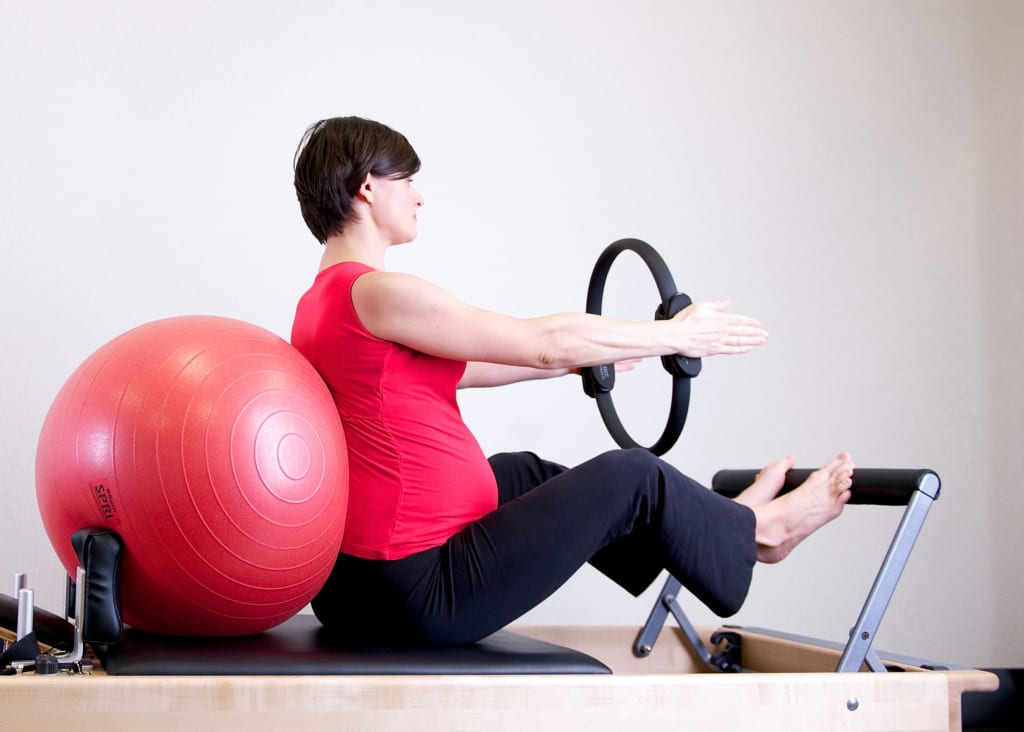
Losing weight can be a difficult and overwhelming process, but it is an important goal for many people for a variety of reasons. Whether you want to improve your health, boost your self-esteem, or fit into your favorite clothes, losing weight can provide numerous benefits. However, it is not always easy to know where to start or how to make lasting changes to your diet and lifestyle. If you are looking to shed excess pounds and achieve a healthy weight, this article will provide some tips and guidance to get you started on your weight loss journey.
Make a plan
Making a plan is an important first step in the weight loss process. It helps you set specific goals and determine how you will achieve them.
To create a weight loss plan, consider the following steps:
Determine your weight loss goals: How much weight do you want to lose and by when? Having specific, achievable goals can help keep you motivated and on track.
Assess your current diet and activity level: Keep a food diary for a few days to get an idea of what you are currently eating and how active you are. This can help you identify areas where you can make changes to create a calorie deficit.
Identify your barriers to weight loss: What makes it difficult for you to stick to a healthy diet or get enough physical activity? Identifying these barriers can help you find ways to overcome them.
Make a plan: Based on your goals and current habits, create a plan that includes changes to your diet and physical activity level. Consider consulting with a healthcare professional or a registered dietitian for personalized guidance.
Stay flexible: Weight loss is a journey, and it is normal to have setbacks. Don't get discouraged by them - instead, try to learn from them and make adjustments to your plan as needed.
By following a structured plan, you can increase your chances of success and make lasting changes to your diet and lifestyle.
Eat a healthy diet
Eating a healthy diet is an important part of any weight loss plan. It can help you create a calorie deficit and provide your body with the nutrients it needs to function properly.
Here are some tips for eating a healthy diet:
Focus on whole, unprocessed foods: Choose foods that are minimally processed, like fruits, vegetables, whole grains, and lean proteins. These foods are generally more nutrient-dense and lower in calories than processed foods.
Limit added sugars: Sugary drinks and foods high in added sugars can contribute to weight gain and increase your risk of chronic diseases like diabetes and heart disease. Instead, opt for naturally sweet foods like fruit or try using a sugar substitute in your recipes.
Avoid saturated and trans fats: These types of fats can increase your risk of heart disease and should be limited in your diet. Choose unsaturated fats, like olive oil, avocado, and nuts, instead.
Drink plenty of water: Staying hydrated can help you feel full and satisfied, which can make it easier to stick to your healthy eating plan. Aim for at least eight cups of water per day.
By following these tips, you can make healthier food choices that support your weight loss goals. Remember to be consistent and patient, as it may take time to see results.
Get active
Incorporating physical activity into your weight loss plan can help you burn calories and improve your overall health. It can also help boost your mood and reduce stress.
Here are some tips for getting active:
Find activities you enjoy: Choose activities that you find enjoyable and that fit into your schedule and budget. This can make it more likely that you will stick with your exercise routine.
Start slowly: If you are new to exercise or have been inactive for a while, start with low-intensity activities and gradually increase your intensity and duration over time.
Aim for at least 150 minutes of moderate-intensity exercise per week: This is the recommended minimum amount of physical activity for adults, according to the Centers for Disease Control and Prevention (CDC). Moderate-intensity activities include brisk walking, cycling, or swimming.
Mix up your routine: Varying your workouts can help prevent boredom and improve your overall fitness. Consider trying different activities, like strength training, yoga, or dancing, to keep things interesting.
By making physical activity a regular part of your routine, you can boost your weight loss efforts and improve your overall health. Remember to listen to your body and consult with a healthcare professional if you have any concerns.
Stay accountable
Staying accountable to your weight loss goals can be a challenging but important aspect of the process. Having support from friends, family, or a professional can help keep you motivated and on track.
Here are some ways to stay accountable:
Share your goals with others: Letting others know about your weight loss goals can help provide accountability and support. You might consider enlisting the help of a friend or family member to check in with you and offer encouragement.
Keep track of your progress: Use a food diary or an app to record what you eat and your physical activity level. This can help you identify areas where you are doing well and areas where you need to make changes.
Consider working with a professional: A registered dietitian or personal trainer can provide personalized guidance and support to help you achieve your weight loss goals.
Don't be too hard on yourself: It's normal to have setbacks and moments when you stray from your plan. Don't let these moments discourage you - instead, try to learn from them and get back on track.
By staying accountable and seeking support, you can increase your chances of success and make lasting changes to your diet and lifestyle.
Be consistent
Being consistent with your weight loss efforts is important for achieving long-term success. It can be easy to get discouraged or lose motivation, but it's important to stay committed to your goals and make healthy choices most of the time.
Here are some tips for being consistent:
Make healthy habits a part of your routine: Incorporate healthy eating and physical activity into your daily routine. This can help make healthy choices feel more natural and sustainable.
Be patient: Weight loss takes time and effort, and it's important to be patient and consistent with your efforts. It's normal to have setbacks, but try to learn from them and keep moving forward.
Find ways to stay motivated: Look for ways to stay motivated, like setting small, achievable goals or finding activities you enjoy. You might also consider enlisting the help of a friend or professional to provide support and encouragement.
Don't be too hard on yourself: It's important to be consistent, but it's also important to be kind to yourself. Don't be too hard on yourself if you have a setback or stray from your plan - instead, try to learn from it and get back on track.
By being consistent and patient, you can make lasting changes to your diet and lifestyle and achieve your weight loss goals.
Losing weight can be a challenging but rewarding process. By making changes to your diet and physical activity level, you can create a calorie deficit and shed excess pounds. While it can be difficult to know where to start, making a plan, eating a healthy diet, getting active, staying accountable, and being consistent can all help you achieve your weight loss goals.
It's important to remember that everyone's body is different, and what works for one person may not work for another. It's essential to find a plan that works for you and your lifestyle and to be patient as you work towards your goals. Don't get discouraged by setbacks - instead, try to learn from them and keep moving forward.
By following these tips and seeking support from friends, family, or a professional, you can make lasting changes to your diet and lifestyle and achieve a healthy weight. Good luck on your weight loss journey!
About the Creator
Enjoyed the story? Support the Creator.
Subscribe for free to receive all their stories in your feed.
Comments
There are no comments for this story
Be the first to respond and start the conversation.