
Johnson & Johnson offers up to $5.5bn to settle baby powder lawsuits
The healthcare giant seeks to resolve tens of thousands of claims alleging its talc-based baby powder caused cancer, marking one of the largest mass-tort settlement efforts in U.S. corporate history.
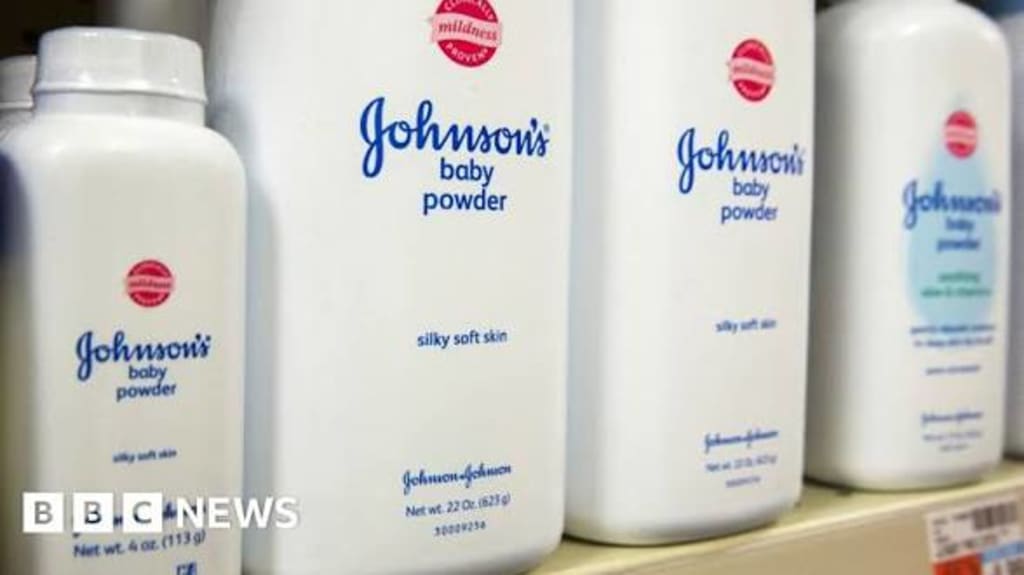
Johnson & Johnson (J&J), one of the world's largest healthcare companies, has offered up to $5.5 billion to settle lawsuits alleging that its talc-based baby powder and other talc products caused cancer. The proposal represents a major step in the company's long-running legal battle over claims that consumers developed ovarian cancer and other illnesses after years of using products containing talc.
The litigation has become one of the most significant product liability disputes in recent corporate history, involving tens of thousands of plaintiffs across the United States. Many claimants argue that Johnson & Johnson's baby powder contained asbestos contamination and that the company failed to adequately warn consumers about potential health risks. Johnson & Johnson has consistently denied these allegations, maintaining that its talc products are safe and do not contain asbestos.
The proposed settlement aims to bring closure to years of legal uncertainty. Under the plan, billions of dollars would be allocated to compensate individuals who filed claims alleging injuries linked to the company's talc products. While the settlement would not constitute an admission of wrongdoing, it would provide a framework for resolving many existing lawsuits and reducing future legal exposure.
The controversy surrounding Johnson & Johnson's baby powder dates back decades. For years, the product was marketed as a trusted household item used by millions of families worldwide. However, scientific studies and legal challenges raised questions about whether prolonged use of talc-based powders could increase the risk of ovarian cancer. Some investigations also examined whether talc mined for cosmetic products might have been contaminated with asbestos, a known carcinogen.
As lawsuits mounted, courts across the United States heard conflicting expert testimony regarding the relationship between talc use and cancer. Plaintiffs argued that company documents demonstrated awareness of potential risks, while Johnson & Johnson countered that extensive scientific research supported the safety of its products. The company repeatedly pointed to regulatory reviews and independent studies that found no conclusive evidence linking its cosmetic talc products to cancer.
Several high-profile jury verdicts brought national attention to the issue. In some cases, plaintiffs received substantial awards after juries concluded that Johnson & Johnson failed to adequately inform consumers about possible risks. Other verdicts favored the company, reflecting the complex and often disputed scientific evidence surrounding talc and cancer claims.
Facing thousands of lawsuits and mounting legal costs, Johnson & Johnson explored various strategies to resolve the litigation. The company previously attempted to use a subsidiary restructuring approach that would allow talc claims to be addressed through bankruptcy proceedings. Critics argued that the strategy was designed to limit corporate liability, while supporters said it would provide a fair and efficient mechanism for compensating claimants. Courts ultimately scrutinized these efforts, leading to continued negotiations over broader settlement options.
The proposed $5.5 billion settlement reflects the enormous scale of the legal challenge. If approved, it could rank among the largest settlements involving consumer health products in U.S. history. Legal experts note that large-scale settlements often offer advantages for both sides. Plaintiffs may receive compensation more quickly than through years of individual trials, while companies gain greater certainty regarding future financial obligations.
Supporters of the settlement argue that it provides a practical solution to a dispute that has consumed significant judicial resources and created uncertainty for affected individuals. Many claimants have spent years pursuing legal remedies and may welcome an opportunity for resolution. Attorneys representing plaintiffs have emphasized the importance of ensuring that compensation is distributed fairly and transparently.
However, not all parties agree that the proposed settlement is sufficient. Some plaintiffs believe that individual trials could result in larger awards and argue that a global settlement may not adequately reflect the circumstances of every case. Others question whether the compensation fund will fully address the needs of people suffering from serious illnesses. As a result, approval processes and negotiations remain subject to legal review and potential challenges.
The financial implications for Johnson & Johnson are substantial but manageable given the company's size and global operations. The corporation generates billions of dollars in annual revenue through pharmaceuticals, medical devices, and consumer health products. Investors have closely monitored the litigation because of its potential impact on the company's reputation and financial performance.
The controversy has also influenced broader discussions about corporate accountability, product safety, and consumer protection. Public health advocates argue that companies must maintain rigorous testing standards and provide clear information about potential risks associated with their products. Business groups, meanwhile, stress the importance of relying on sound scientific evidence when evaluating liability claims involving complex medical issues.
In recent years, Johnson & Johnson discontinued the sale of talc-based baby powder in several markets and transitioned toward cornstarch-based alternatives. The company stated that the decision was driven by changing consumer preferences and ongoing misinformation about product safety rather than concerns about the safety of talc itself.
As legal proceedings continue, the proposed settlement represents a pivotal moment in a dispute that has shaped public perceptions of one of the world's most recognizable consumer brands. Whether the agreement ultimately resolves the majority of claims will depend on court approvals, claimant participation, and the outcome of remaining legal challenges.
For many observers, the case highlights the growing complexity of mass-tort litigation in modern society. It underscores how scientific uncertainty, corporate responsibility, and consumer trust can intersect in ways that influence both the legal system and public opinion. The outcome of Johnson & Johnson's settlement effort may serve as a benchmark for future large-scale product liability cases for years to come.
About the Creator
Enjoyed the story? Support the Creator.
Subscribe for free to receive all their stories in your feed.
Comments
There are no comments for this story
Be the first to respond and start the conversation.