
Is Sclerotherapy Safe? Understanding the Risks and Side Effects
A Closer Look at the Benefits, Common Reactions, and Who Should Think Twice Before Treatment
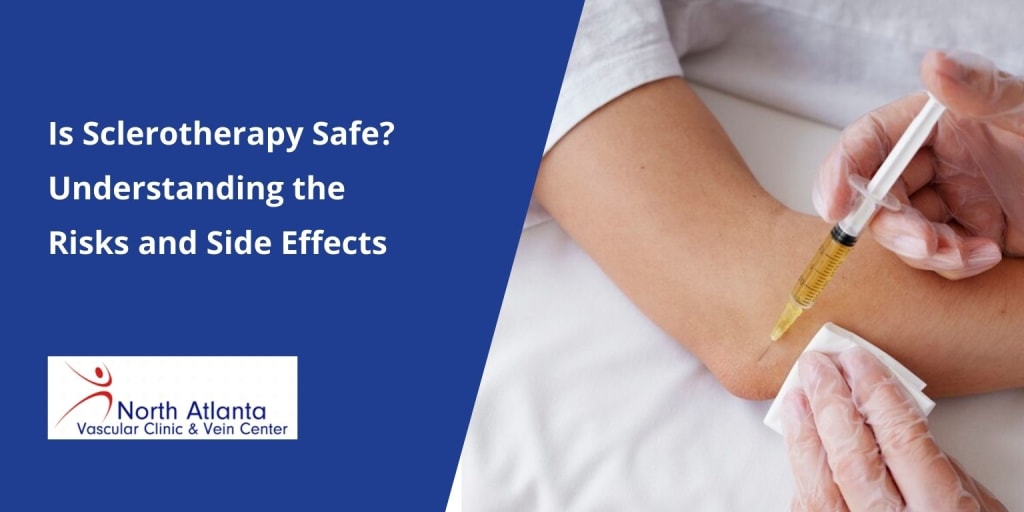
Sclerotherapy is one of the most commonly performed treatments for spider veins and small varicose veins. It involves the injection of a solution directly into the affected veins, causing them to shrink and eventually fade from view. For many people, the appeal of sclerotherapy lies in its minimally invasive nature and relatively quick recovery time. But, like any medical procedure, it's natural to wonder: Is sclerotherapy safe? Let’s explore the potential risks, side effects, and safety considerations of this widely used treatment.
What Happens During Sclerotherapy?
Before diving into the risks, it’s helpful to understand the basics of how sclerotherapy works. During the procedure, a healthcare provider injects a specialized solution into the targeted vein. This solution irritates the lining of the blood vessel, causing it to collapse and eventually be absorbed by the body. The blood is rerouted through healthier veins, and over time, the treated vein fades from view.
The entire process typically takes between 15 to 45 minutes depending on the number of veins treated. It’s performed in a medical office, requires no anesthesia, and most people return to their normal activities shortly afterward.
Is Sclerotherapy Considered Safe?
For the vast majority of patients, sclerotherapy is considered a safe and effective procedure. It has been used for decades and has a strong track record of positive outcomes. However, the safety of sclerotherapy can depend on several factors:
- Overall health of the patient
- Experience and training of the provider
- Proper technique and sterile conditions
- Appropriate patient selection
When performed by a qualified professional, sclerotherapy treatment is generally well-tolerated and carries a low risk of serious complications.
Common Side Effects
Although sclerotherapy is minimally invasive, it’s still a medical procedure, and some side effects are possible. Most of these are mild and temporary, including:
1. Bruising
Bruising at the injection site is very common and usually fades within a week or two. It’s a natural response to the needle insertion and vein collapse.
2. Redness or Irritation
Some patients experience redness, swelling, or a mild stinging sensation where the injection was administered. This typically resolves within a few days.
3. Small Skin Sores
In rare cases, tiny sores may develop at the injection site. These are usually superficial and heal on their own, though they can sometimes leave slight discoloration.
4. Temporary Vein Hardening
You might notice a firm or raised area where the vein was treated. This is due to inflammation and the breakdown of the vein and is a normal part of the healing process.
5. Skin Discoloration
Brownish pigmentation may appear along the treated vein path. This is more common in individuals with larger veins or darker skin tones and often fades over several months.
Less Common but Notable Risks
While serious complications are rare, it’s important to be aware of less common side effects:
1. Blood Clots
Infrequently, a small clot may form in the treated vein. These are typically superficial and not dangerous but should be evaluated to ensure they don’t extend into deeper veins.
2. Allergic Reactions
Mild allergic reactions, such as itching or hives, can occur in response to the injection solution. Severe reactions are exceedingly rare but possible.
3. Trapped Blood
Sometimes blood gets trapped in the collapsed vein and can cause inflammation or small lumps. These may need to be drained during a follow-up visit.
4. Matting
This refers to the development of fine, reddish veins in the area where treatment was performed. While not harmful, matting can be a cosmetic concern and may require additional treatment.
5. Nerve Irritation
Although uncommon, if a vein close to a nerve is treated, it may cause temporary tingling or numbness. This usually resolves without intervention.
Who Should Avoid Sclerotherapy?
Certain individuals may not be ideal candidates for sclerotherapy. These include:
- People with a history of deep vein thrombosis (DVT) or blood clotting disorders
- Pregnant individuals (treatment is generally postponed until after childbirth)
- Those with active infections or skin ulcers near the injection site
- Anyone with an allergy to the injection solution or a history of severe reactions
It’s essential to have a thorough consultation before undergoing the procedure. A trained healthcare provider will assess your vein health, review your medical history, and determine whether sclerotherapy is the most appropriate treatment for your condition.
Improving Your Safety
To ensure the safest experience possible:
- Choose a qualified provider: Look for a board-certified dermatologist, vascular specialist, or physician with experience in vein treatment.
- Follow pre- and post-treatment instructions: This may include avoiding certain activities, wearing compression stockings, and attending follow-up appointments.
- Communicate any concerns: Let your provider know if you experience unusual symptoms or discomfort after the procedure.
Final Thoughts
Sclerotherapy is generally a safe and effective option for treating spider and small varicose veins. While side effects do occur, they are typically minor and resolve on their own. Understanding the risks and working with a qualified provider can help you feel confident and well-informed as you consider your treatment options.
Disclaimer: Please note that this information is for educational purposes only. There is no patient-doctor relationship established. Please consult your healthcare provider for individualized recommendations.
About the Creator
Enjoyed the story? Support the Creator.
Subscribe for free to receive all their stories in your feed.
Comments
There are no comments for this story
Be the first to respond and start the conversation.