
Infections With Antimicrobial Resistance Caused More Than 3 Million Childrens' Deaths in 2022
A recent international study suggests that deaths of over 3 million children in 2022 were caused by antibiotic resistance, with Southeast Asia and Africa being the most affected areas.

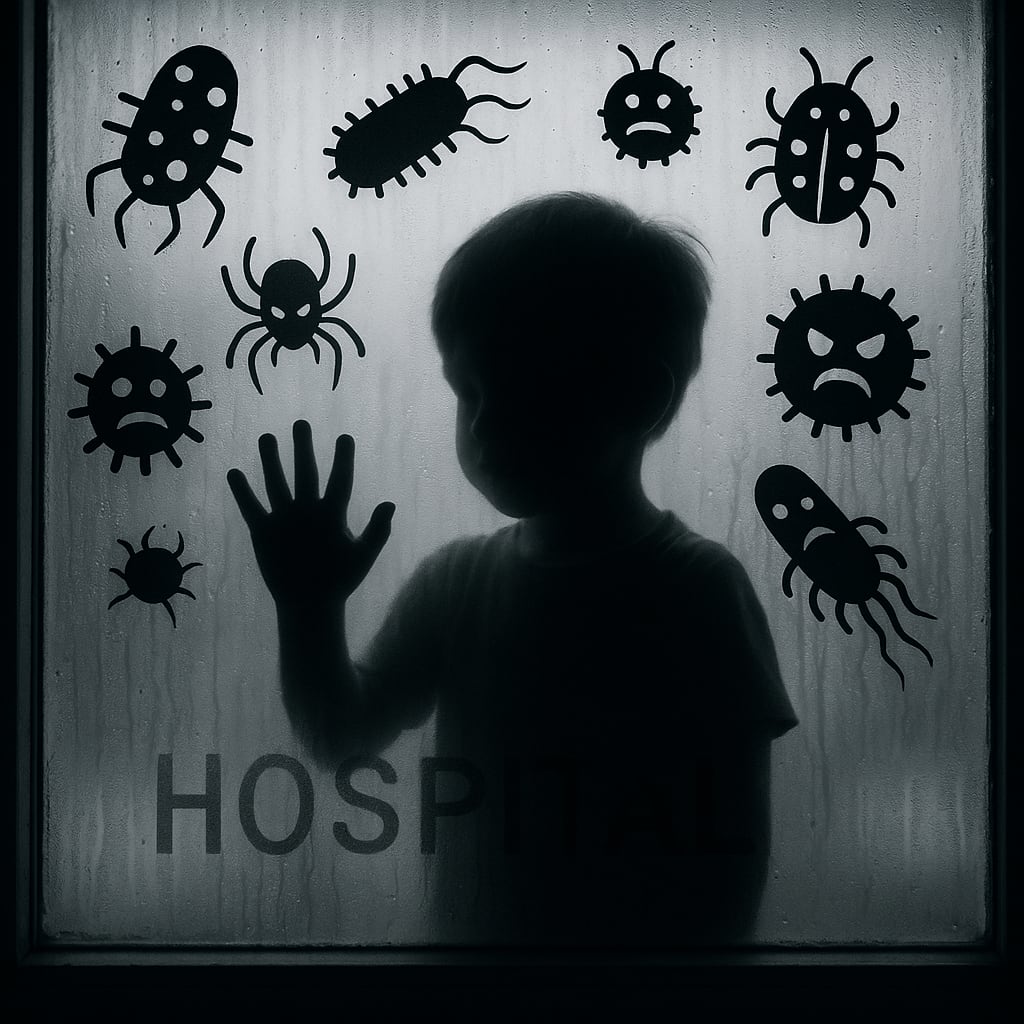
According to new findings from a recent study presented at the ESCMID Global 2025 conference in Vienna, antibiotic-resistant illnesses killed over three million children worldwide in 2022, with Southeast Asia and Africa accounting for the largest numbers. The startlingly high death toll made clear the necessity of a coordinated international effort to combat the spread of antimicrobial resistance (AMR).
The study found that complications from infections linked to AMR affected around 659,000 people in Africa and 752,000 people in Southeast Asia. The overuse and abuse of certain antibiotics, the majority of which are categorized by the WHO as "Watch" and "Reserve," is a significant contributing reason to these deaths. These groups consist of antibiotics that are more likely to become resistant and are often saved for infections that are severe or resistant to many drugs.
The usage of Watch antibiotics rose by a staggering 160% in Southeast Asia and 126% in Africa between 2019 and 2021. Reserve antibiotics rose by 45% in Southeast Asia and 125% in Africa over that time. The abrupt increase in use is concerning because it hastens the emergence of resistant germs, reducing the number of effective treatment choices available for surrounding populations who are more susceptible, particularly young people.
Several reasons, ranging from inadequate sanitation to a lack of focus on environmental care, overcrowded healthcare facilities, a shortage of medical workers, and insufficient infection prevention measures, accelerate the growing AMR epidemic in low- and average-income nations. Furthermore, efforts to monitor resistance patterns and implement suitable treatment procedures and protocols are hampered by the lack of an efficient surveillance system.
Professor Joseph Harwell, clinical associate professor of medicine and pediatrics at Clinten Health Access Initiative, emphasized the gravity and delicate nature of the situation even more, stating that the overuse and misuse of certain antibiotics is what causes bacteria to become resistant to them, leaving fewer options for treating infections that are resistant to multiple drugs. He expressed concerns that youngsters in particular face a significant long-term danger due to the increasing reliance on Watch and Reserve antibiotics.
The study's conclusions show the pressing need for a concerted international action against AMR. International action must stretch through everything from marketing and controlling drugs to funding research and exploring fresh diagnostic techniques, equipment, and antibiotics.
It’s also a wake-up call to be vigilant and more present in their children’s health. For concerned parents, here are a few things you can do differently to protect your children's health and ensure they do not die from microbial infections.
First, ensure your kids get all recommended vaccines, especially those designed to handle deadly infections like measles, meningitis, and pneumonia. You also need to prioritise good hygiene. Microbial infections are highly contagious in people or environments with poor hygiene. Teaching your children to maintain habits like washing their hands with soap and water, especially after using the toilet, meals, and keeping their rooms clean, is a great way to start.
In cases where a child begins to exhibit signs of infection, such as a fever or difficulty breathing, medical assistance should be sought as quickly as possible. It is very necessary to abstain from unnecessary use of antibiotics except in prescribed use, as this may lead to resistance. Consistent medical check-ups can help you detect infections early, making it a whole lot easier to handle before things get worse. By implementing all of these tips, you can protect your kids and reduce the risk of death from infections.
The fact remains that hundreds more children in vulnerable nations could be at risk of dying from antibiotic-resistant diseases in the future if prompt and decisive action is not taken. The concerning and rapidly rising number of child fatalities due to antibiotic-resistant diseases portends future challenges for the international community. It is now more important than ever to put firm plans in place to combat antibiotic abuse and fortify the current healthcare systems to safeguard children, who are the most defenseless members of society.
About the Creator
Enjoyed the story? Support the Creator.
Subscribe for free to receive all their stories in your feed.
Comments
There are no comments for this story
Be the first to respond and start the conversation.