
How to Lose Body Fat: Science-Backed Strategies for Sustainable Results
A Comprehensive Guide to Effective Fat Loss Through Diet, Exercise, and Lifestyle Changes

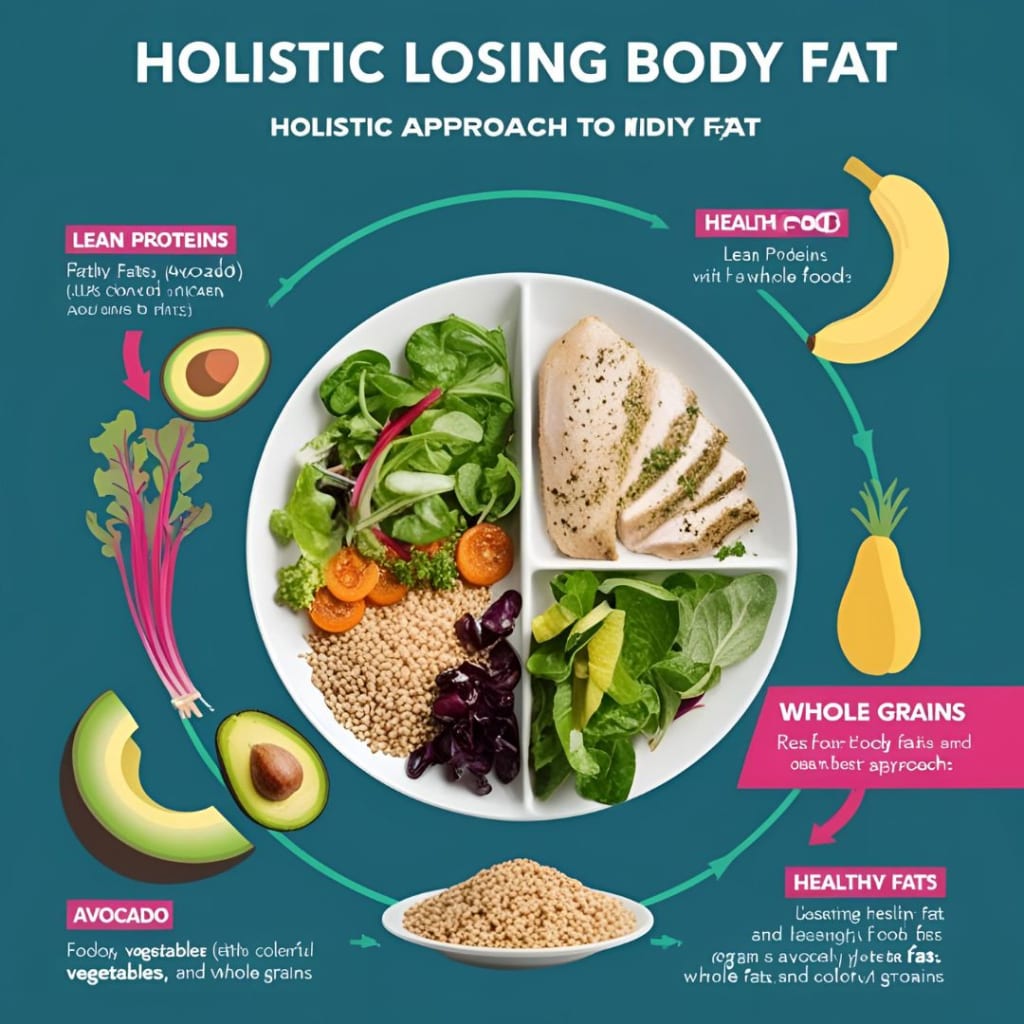
Losing body fat is a common goal for people seeking better health, improved confidence, and enhanced physical performance. However, with the internet flooded by quick-fix diets and miracle supplements, it’s easy to feel overwhelmed or misled. The truth is, sustainable fat loss is not about drastic measures or deprivation-it’s about adopting balanced, evidence-based habits that you can maintain for life. Here’s a comprehensive guide to help you lose body fat safely, effectively, and for the long term.
Understanding Body Fat and Its Role
Body fat isn’t inherently bad. In fact, it’s essential for protecting organs, regulating hormones, and storing energy. Problems arise when body fat, especially around the abdomen, exceeds healthy levels. Excess body fat is linked to chronic diseases like type 2 diabetes, heart disease, and certain cancers. Reducing body fat to a healthy range can improve your energy, mood, and overall health.
Nutrition: The Foundation of Fat Loss
1. Eat Whole, Nutrient-Dense Foods
The cornerstone of any fat loss plan is a nutritious diet. Focus on whole, unprocessed foods-think lean proteins, whole grains, fruits, vegetables, and healthy fats. These foods are rich in vitamins, minerals, and fiber, which help keep you full and satisfied while providing the nutrients your body needs.
2. Prioritize Protein
Protein is your best friend during fat loss. It helps preserve muscle mass, boosts metabolism, and keeps you feeling fuller for longer. Include protein sources like eggs, chicken, fish, beans, tofu, and Greek yogurt in every meal.
3. Limit Added Sugars and Refined Carbs
Foods high in added sugars and refined carbs-such as soda, pastries, and white bread-can spike blood sugar and insulin, promoting fat storage. Swap these for complex carbs like brown rice, quinoa, oats, and sweet potatoes, which provide steady energy and support fat loss.
4. Practice Portion Control
Even healthy foods can contribute to weight gain if eaten in excess. Pay attention to portion sizes, use smaller plates, and eat mindfully by savoring each bite and stopping when you’re satisfied.
5. Stay Hydrated
Drinking enough water supports metabolism and can help control appetite. Sometimes, our bodies mistake thirst for hunger, leading to unnecessary snacking.
Exercise: Move More for Maximum Results
1. Combine Cardio and Strength Training
Both cardiovascular exercise and strength training are crucial for fat loss. Cardio activities like jogging, cycling, or swimming burn calories and improve heart health. Strength training-using weights or bodyweight exercises-builds muscle, which increases your resting metabolic rate and helps your body burn more calories even at rest.
2. Try High-Intensity Interval Training (HIIT)
HIIT involves short bursts of intense activity followed by rest periods. This type of training is highly effective for burning fat and can be completed in less time than traditional workouts.
3. Be Consistent
Aim for at least 150 minutes of moderate-intensity cardio and two or more strength training sessions each week. Consistency, not perfection, is what leads to lasting results.
Lifestyle Habits: The Often-Overlooked Keys
1. Prioritize Sleep
Lack of sleep disrupts hormones that control hunger and fat storage, making it harder to lose weight. Strive for 7–9 hours of quality sleep each night.
2. Manage Stress
Chronic stress raises cortisol, a hormone linked to increased belly fat. Incorporate stress-reducing practices like meditation, yoga, or even simple deep breathing exercises into your daily routine.
3. Consider Intermittent Fasting
Intermittent fasting, such as the 16:8 method (fasting for 16 hours and eating within an 8-hour window), can help some people reduce calorie intake and improve fat metabolism. However, it’s not for everyone-listen to your body and choose what works best for you.
4. Avoid Extreme Diets and Supplements
Steer clear of crash diets and unregulated fat-burning supplements. These can lead to muscle loss, nutrient deficiencies, and rebound weight gain. Sustainable fat loss comes from balanced habits, not shortcuts.
Practical Tips for Success
Plan Your Meals: Preparing healthy meals and snacks in advance helps you avoid unhealthy temptations.
Track Your Progress: Use a journal or app to monitor your food intake, exercise, and body measurements.
Set Realistic Goals: Aim to lose 0.5–1 kg (1–2 pounds) per week for sustainable results.
Seek Support: Share your goals with friends, family, or a health professional to stay motivated and accountable.
Conclusion
Losing body fat is a journey, not a sprint. By focusing on whole foods, regular exercise, quality sleep, and stress management, you can achieve lasting fat loss and a healthier, more energetic life. Remember, there are no magic solutions-consistency, patience, and self-care are your best allies. Start with small, positive changes today, and watch as they add up to big results over time.
About the Creator
fitness club
"Fitness + food = your power combo! 💪🍏 I share quick workouts & easy meal hacks to fuel strong bodies. No fluff, just results. #FitAndFed"
Variations:
For weight loss: "Shed fat, keep flavor! 🔥 Short workouts + tasty meal
Enjoyed the story? Support the Creator.
Subscribe for free to receive all their stories in your feed.
Comments
There are no comments for this story
Be the first to respond and start the conversation.