
How to Check Blood Pressure at Home: A Simple Step-by-Step Guide
Learn how to measure blood pressure correctly at home, avoid common mistakes, understand your readings, and know when medical attention may be needed.
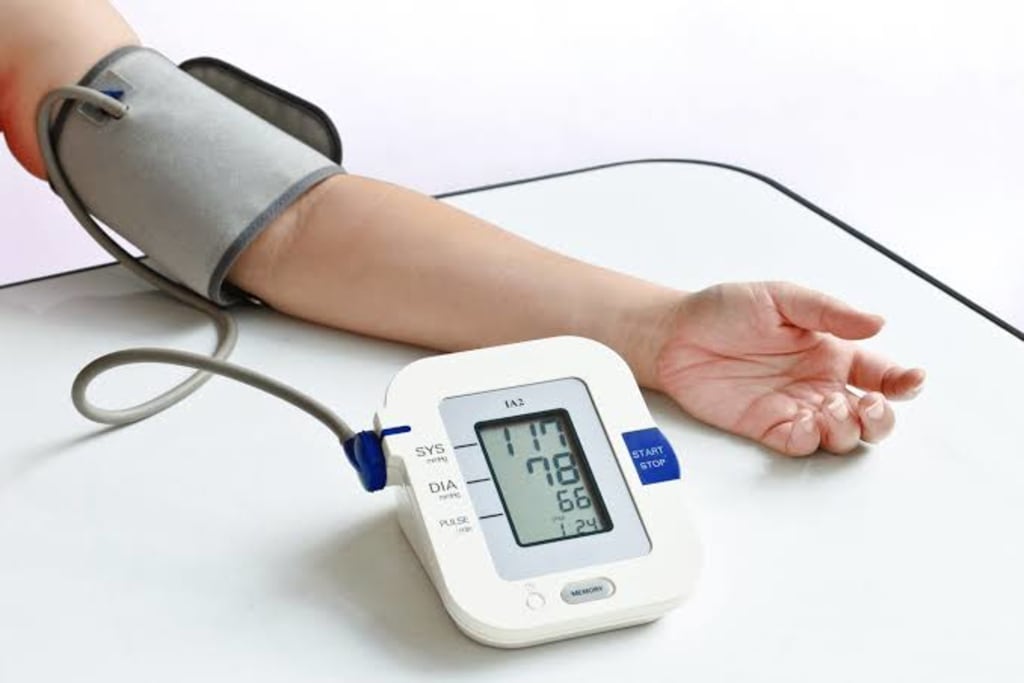
Checking blood pressure at home is a simple and useful way to monitor cardiovascular health. Regular home measurements can help people understand their usual blood pressure and can provide healthcare professionals with valuable information when assessing hypertension or the effectiveness of treatment.
However, getting an accurate reading depends on using the correct equipment and following the right procedure. A blood-pressure machine can display a number within seconds, but small mistakes before or during the measurement can produce misleading results.
What Is Blood Pressure?
Blood pressure is the force of blood pushing against the walls of the arteries as the heart pumps blood around the body.
A blood-pressure reading has two numbers.
The systolic pressure, which is the upper number, represents the pressure in the arteries when the heart contracts.
The diastolic pressure, which is the lower number, represents the pressure when the heart relaxes between beats.
For example, a reading of 120/80 mmHg means a systolic pressure of 120 and a diastolic pressure of 80 millimetres of mercury.
A single reading does not necessarily provide a complete picture of a person's blood-pressure health. Blood pressure can change throughout the day because of stress, exercise, caffeine, illness, sleep and other factors.
Choose the Right Blood-Pressure Monitor
For home monitoring, an automatic upper-arm blood-pressure monitor is generally the easiest option.
Choose a monitor with a cuff that fits the circumference of your upper arm. A cuff that is too small or too large can affect the accuracy of the measurement.
Wrist monitors can be convenient, but they can be more sensitive to positioning. If possible, an appropriately sized upper-arm device is usually preferable.
If you regularly monitor your blood pressure, consider taking your monitor to a healthcare appointment occasionally so its readings can be compared with a professional device.
Prepare Before Measuring
Preparation is one of the most important parts of accurate home blood-pressure monitoring.
Avoid exercising, smoking and consuming caffeinated drinks for about 30 minutes before taking a measurement. Empty your bladder and sit quietly for at least five minutes before starting.
Choose a quiet place where you can sit comfortably.
Sit in a chair with your back supported and keep both feet flat on the floor. Do not cross your legs.
Rest your arm on a table so that the cuff is positioned approximately at heart level.
How to Put on the Cuff
Place the cuff directly against bare skin rather than over clothing.
The lower edge of the cuff should generally sit about 2–3 centimetres above the bend of the elbow, following the instructions supplied with your particular monitor.
The tubing or artery marker should be positioned according to the manufacturer's instructions.
The cuff should feel secure but should not be painfully tight before the measurement begins.
Taking the Reading
Once you are sitting correctly, remain still and avoid talking.
Start the monitor and allow it to inflate and measure your blood pressure automatically.
When the measurement is complete, write down the systolic pressure, diastolic pressure and pulse rate if your monitor displays it.
Do not immediately assume that one unusual result means you have a serious problem.
For a more reliable home assessment, take two readings about one minute apart and record both, following your healthcare professional's advice about how often to measure.
Keep a Blood-Pressure Record
Recording your readings can make home monitoring much more useful.
Write down the date, time, blood-pressure readings and pulse rate. You can use a notebook, spreadsheet, or blood-pressure monitoring application.
It can also be helpful to record anything that might influence the result, such as stress, illness, exercise or medication changes.
A series of readings gives a healthcare professional much more information than a single measurement.
Common Mistakes to Avoid
Several simple mistakes can produce inaccurate readings.
One common problem is measuring blood pressure immediately after exercise, rushing, climbing stairs or experiencing a stressful situation.
Another is talking during the measurement.
Crossing the legs, allowing the arm to hang unsupported, or placing the cuff over clothing can also affect the result.
Using the wrong cuff size is another important issue.
It is also important not to repeatedly measure your blood pressure every few minutes simply because you dislike the first number. Excessive checking can increase anxiety and make the process less useful.
Follow a consistent schedule recommended by your healthcare professional.
What If the Reading Is High?
Blood-pressure categories can vary depending on the guideline being used, and diagnosis should not normally be based on one home reading alone.
If your readings are repeatedly higher than your usual range, discuss them with a healthcare professional. They may recommend additional home monitoring, clinic measurements or other tests.
Do not start, stop or change blood-pressure medication based solely on home readings unless your healthcare professional has instructed you to do so.
When Is It an Emergency?
A very high blood-pressure reading can sometimes require urgent medical assessment, particularly when it is accompanied by concerning symptoms.
If your blood pressure is 180/120 mmHg or higher, wait at least one minute and repeat the measurement. If it remains extremely high, contact a healthcare professional promptly.
If very high blood pressure occurs with symptoms such as chest pain, severe shortness of breath, weakness or numbness, difficulty speaking, confusion, severe headache, or changes in vision, seek emergency medical care immediately.
The important point is not to panic over one number, but also not to ignore an extremely high reading accompanied by serious symptoms.
Why Home Monitoring Matters
Home blood-pressure monitoring can help identify patterns that may not be visible during an occasional clinic appointment. Some people experience higher readings in medical settings because of anxiety, while others may have normal clinic readings but elevated pressure at home.
Regular, correctly performed measurements can help healthcare professionals make better-informed decisions.
The most important principles are simple: use a validated upper-arm monitor with the correct cuff size, rest before measuring, sit correctly, remain quiet and still, take consistent readings, and keep a record.
Blood pressure is an important indicator of cardiovascular health, but it is only one part of a person's overall health assessment.
Learning how to check it properly at home can be a valuable step toward understanding and managing your health.
About the Creator
Enjoyed the story? Support the Creator.
Subscribe for free to receive all their stories in your feed.
Comments
There are no comments for this story
Be the first to respond and start the conversation.