
How Sedation Dentistry Helps in Complex Dental Procedures
My Dental and Implants

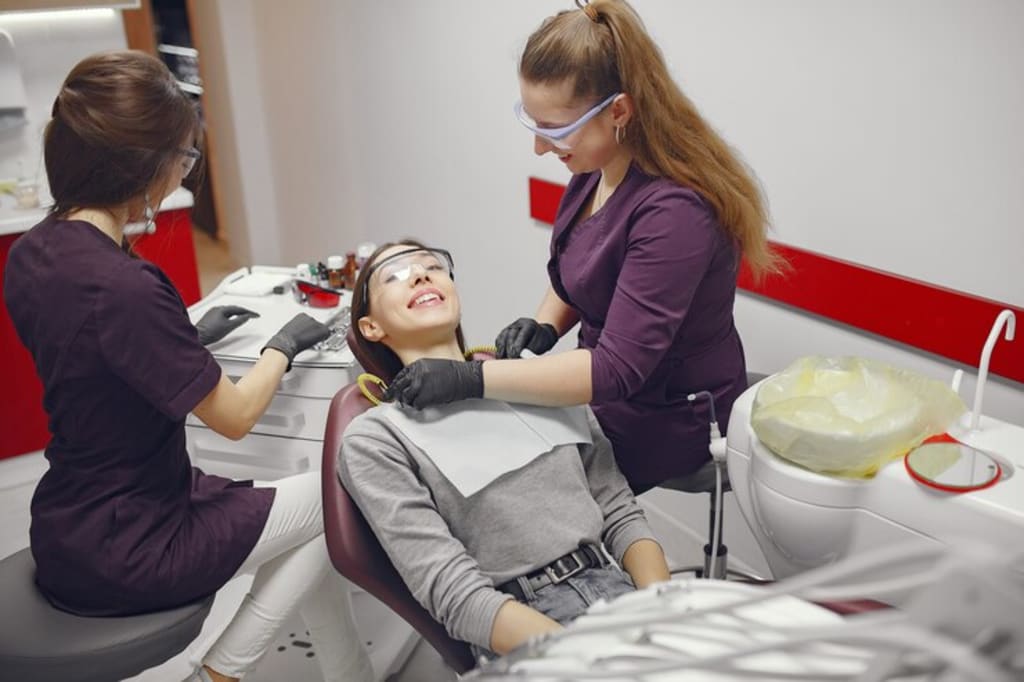
For many individuals, visiting the dentist can be an anxiety-inducing experience, especially when it involves complex dental procedures. Whether it's a root canal, dental implants, or oral surgery, the thought of undergoing these treatments can make patients feel nervous or fearful. Fortunately, sedation dentistry Glendale offers a solution to help ease these worries. Dental professionals can use various sedation techniques to ensure patients are comfortable, relaxed, and pain-free throughout the procedure.
Here are the types of sedation and how they help procedures.
1. Understanding Sedation Dentistry
Sedation dentistry involves using medication to help patients relax during dental treatments. The primary goal of sedation is to alleviate pain, calm the nerves, and ensure that patients are at ease during their visit. While sedation doesn’t necessarily put patients to sleep (unless at deeper levels), it helps them stay calm and comfortable. For complex dental procedures, sedation allows the dentist to work more efficiently and give the patient a more positive experience.
The sedation options available can range from mild sedation, where the patient remains awake but relaxed, to deeper forms of sedation, where the patient may be in a semi-conscious or unconscious state. This flexibility allows dentists to tailor sedation to each patient's specific needs and procedure.
2. Types of Sedation Used in Complex Dental Procedures
There are several types of sedation commonly used in dentistry, each with its effect level. The most common forms of sedation include:
- Nitrous Oxide (Laughing Gas): Nitrous oxide is a mild sedative that helps patients feel relaxed and at ease. It is administered through a mask placed over the nose, allowing the patient to inhale the gas. Nitrous oxide doesn’t put patients to sleep, but it does reduce anxiety and may cause a feeling of euphoria. It wears off quickly once the gas is no longer inhaled, allowing patients to resume their normal activities immediately after the procedure.
- Oral Sedation: Oral sedation involves taking a pill or liquid medication before the procedure. The medication induces a drowsy state and helps patients feel calm and relaxed. The effects can last for several hours, and while the patient remains awake, they may have little memory of the procedure. Oral sedation is commonly used for patients who experience moderate anxiety.
- IV Sedation: IV sedation, also known as intravenous sedation, is a deeper form of sedation that delivers medication directly into the bloodstream through an IV. This method provides a deeper level of relaxation and is ideal for patients undergoing more complex or lengthy procedures. IV sedation allows the dentist to adjust the sedation level throughout the treatment. Patients typically feel very relaxed and may have little to no memory of the procedure afterward.
- General Anesthesia: In some cases, general anesthesia may be used, particularly for extremely complex procedures or for patients with severe dental anxiety. This type of sedation induces a state of unconsciousness, ensuring that the patient is completely unaware of the procedure. General anesthesia is generally used for oral surgeries or very invasive treatments that require the patient to be entirely still for extended periods.
3. Benefits of Sedation Dentistry in Complex Procedures
Sedation dentistry offers numerous benefits, especially when it comes to complex dental procedures. Some of the most notable advantages include:
- Pain and Anxiety Reduction: The primary benefit of sedation dentistry is its ability to minimize pain and anxiety. Patients who are fearful of dental procedures or experience pain during treatments can benefit significantly from sedation, making it easier for them to undergo necessary treatments without stress or discomfort.
- Increased Patient Comfort: Complex procedures, such as root canals, tooth extractions, or dental implants, can take a significant amount of time. Sedation helps ensure that patients remain comfortable throughout the process without frequent breaks or repositioning.
- Improved Focus for the Dentist: When patients are relaxed and comfortable, the dentist can work more efficiently and precisely. This is especially important during intricate procedures that require detailed attention. Sedation allows the dentist to complete the treatment in a single session, which reduces the need for multiple appointments.
- Helps with Dental Phobia: Many people experience dental phobia, a fear of dental visits that can prevent them from seeking necessary care. Sedation dentistry can help these individuals overcome their fears, making it possible for them to receive the treatment they need without emotional distress.
- No Memory of the Procedure: For patients with a strong aversion to dental procedures, sedation can help by minimizing or eliminating the memory of the treatment. This is especially useful for those who find it difficult to relive their past negative dental experiences.
4. Safety of Sedation Dentistry
One of patients' main concerns about sedation is its safety. Sedation dentistry, when administered by a trained and experienced professional, is very safe. An experienced dentist Glendale monitors the patient’s vital signs throughout the procedure to ensure their safety and comfort. Additionally, before any form of sedation is used, the dentist will thoroughly evaluate the patient’s medical history to determine the most appropriate sedation option.
Sedation dentistry has revolutionized the way complex dental procedures are performed. It provides a safe and effective way to manage pain, reduce anxiety, and ensure that patients are comfortable throughout their treatment. Whether undergoing a routine procedure or something more intricate, sedation dentistry can make the experience far more manageable. If you are considering a complex dental procedure and have concerns about pain or anxiety, speak with your dentist about sedation options that may be right for you. You can maintain oral health by utilizing sedation dentistry while having a stress-free, positive experience at the dentist’s office.
About the Creator
My Dental and Implants
Muench Orthodontics is your trusted choice for a top-rated orthodontic in Vestal. Schedule your visit today!
Enjoyed the story? Support the Creator.
Subscribe for free to receive all their stories in your feed.
Comments
There are no comments for this story
Be the first to respond and start the conversation.