
How Often Should You Get Professional Teeth Whitening?
New Image General & Cosmetic Dentistry

A bright, white smile is something many people desire, and for good reason. Not only does it enhance your appearance, but it can also boost your confidence. Professional teeth whitening Riverview is one of the most popular cosmetic dental procedures, offering faster, safer, and more effective results than over-the-counter products. However, many people wonder how often they should undergo professional teeth whitening to maintain that radiant smile without causing harm to their teeth.
Here are key factors for determining professional teeth whitening frequency.
Understanding Professional Teeth Whitening
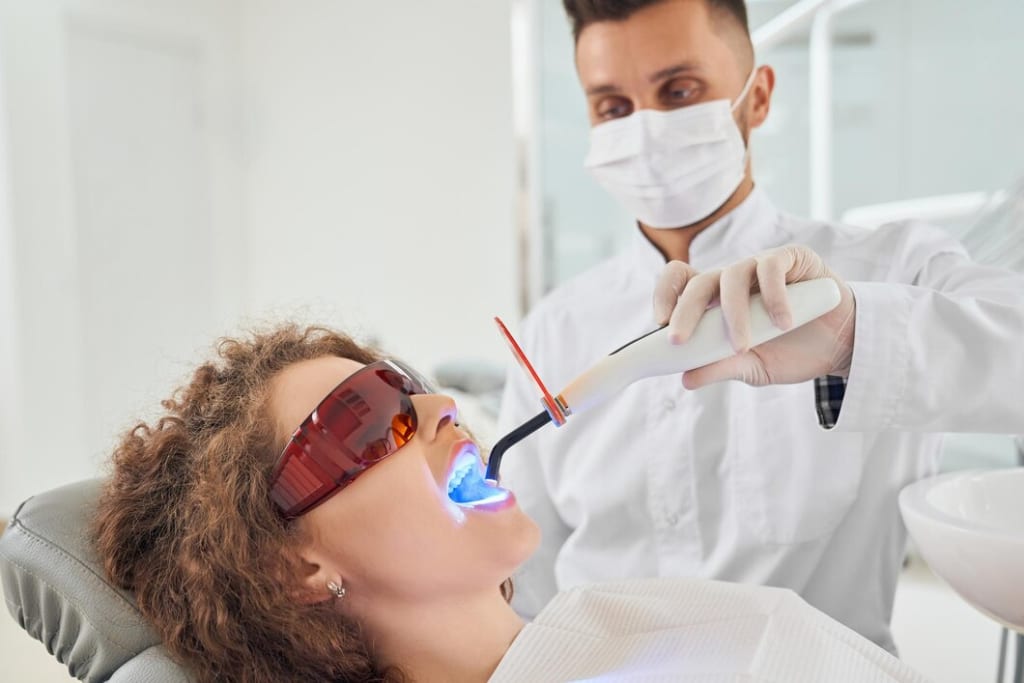
Professional teeth whitening is a procedure performed by a dentist or dental professional to remove stains and discoloration from the surface of the teeth. The procedure typically involves using a stronger whitening agent, such as hydrogen peroxide or carbamide peroxide, which is applied directly to the teeth. The dentist may use light or laser to activate the whitening agents and accelerate the process.
Unlike at-home whitening kits, professional teeth whitening is more controlled, ensuring better results with minimal tooth sensitivity or gum irritation risk. It’s important to note that teeth whitening is not a permanent solution, and the effects can fade over time due to certain lifestyle habits. So, how often should you return for another whitening session?
Factors That Determine How Often You Should Get Teeth Whitening
Personal Habits and Lifestyle
Your daily habits significantly impact how long your teeth whitening results last. If you regularly consume foods and beverages that stain teeth—such as coffee, tea, red wine, or berries—your results may fade more quickly. Smoking also contributes to tooth discoloration, leading to the need for more frequent touch-up treatments. You may need less frequent whitening sessions if you maintain good habits, such as drinking water after consuming staining substances and brushing regularly.
Type of Stains
The type of stains on your teeth also affects how often you’ll need professional whitening. Extrinsic stains, caused by surface-level factors like food and drink, are more easily removed with whitening treatments. Intrinsic stains, on the other hand, are deeper and more challenging to treat. These types of stains may require more frequent or additional whitening sessions. Your dentist can assess your stains and recommend the best treatment plan.
The Whitening Treatment You Choose
Different professional whitening treatments may produce different results. In-office whitening, which is performed in a dental office, typically yields immediate results, and your teeth can be several shades lighter after just one session. At-home whitening treatments prescribed by a dentist may take longer to show results but can be used over time for gradual whitening. Depending on your chosen method, your dentist will provide a recommended schedule for maintenance sessions.
Overall Oral Health
Your oral health affects how well your teeth respond to whitening treatments. If you have gum disease or cavities, whitening may cause sensitivity and irritation. A dentist will assess your oral health before proceeding with any whitening treatment to ensure it’s safe. Regular check-ups will help monitor the health of your teeth and gums, ensuring that your whitening results are not compromised.
How Often Should You Get Professional Teeth Whitening?
The general recommendation for professional teeth whitening is to get it done once every six to twelve months, depending on the abovementioned factors. If you’re maintaining good oral hygiene, avoiding stain-causing foods, and not smoking, you may only need a whitening session once a year. However, you might require touch-up treatments every six months or more often if you frequently consume staining foods or drinks.
It’s essential to consult your trusted dentist Riverview, for a personalized treatment plan. They will consider your lifestyle, the condition of your teeth, and the desired results to help you determine the best frequency for whitening sessions.
Tips for Maintaining White Teeth Between Treatments
While professional whitening treatments can give you fast results, maintaining your bright smile is key. Here are some tips to help you extend the effects of your treatment:
Brush and Floss Regularly: Brushing at least twice a day and flossing once a day helps remove plaque and prevent stains from forming.
Avoid Stain-Causing Foods: Limit your intake of coffee, tea, red wine, and tobacco. If you do consume these, rinse your mouth with water afterward.
Use Whitening Toothpaste: Whitening toothpaste can help maintain the brightness of your smile.
Visit Your Dentist Regularly: Regular dental cleanings can help remove surface stains and keep your teeth looking fresh.
Conclusion
Professional teeth whitening is a safe and effective way to achieve a brighter smile. How often you should get the treatment depends on your lifestyle, oral health, and the whitening method used. By following good oral hygiene practices and working closely with your dentist, you can enjoy long-lasting results and a dazzling smile. If you’re considering teeth whitening, talk to your dentist about a customized plan that fits your needs and helps you maintain a bright, confident smile for years.
About the Creator
New Image General & Cosmetic Dentistry
Experience top-rated dentist in Riverview, FL, at New Image General & Cosmetic Dentistry. From routine check-ups to advanced care, we offer tailored services.
Enjoyed the story? Support the Creator.
Subscribe for free to receive all their stories in your feed.
Comments
There are no comments for this story
Be the first to respond and start the conversation.