
How I Survived the Heatwave on a Narrowboat
Practical Lessons on Staying Cool, Hydrated, Safe, and Comfortable While Living Through Extreme Summer Heat on a Narrowboat
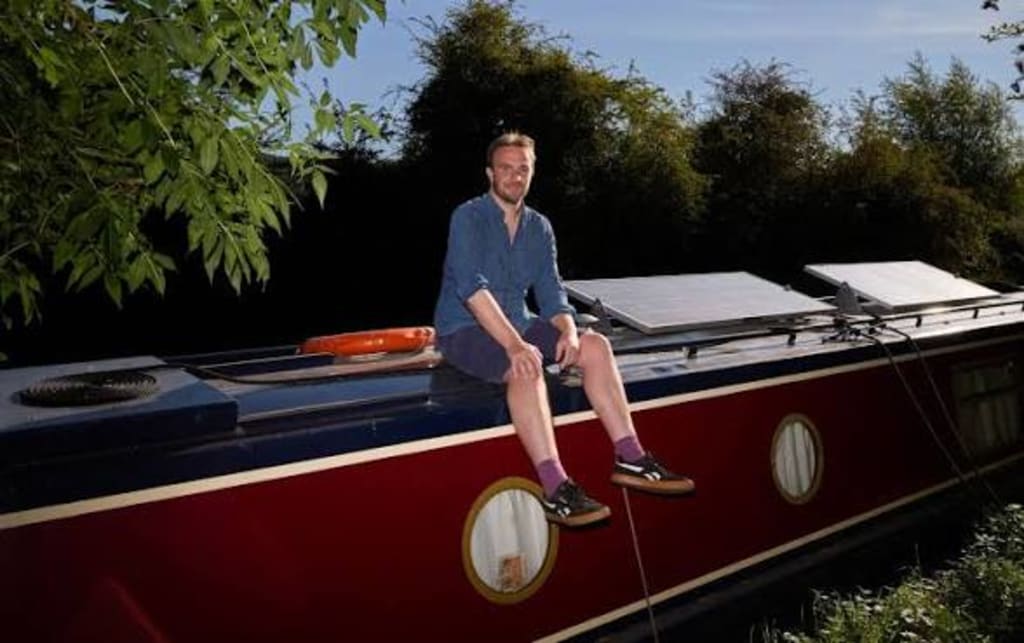
Living on a narrowboat can be peaceful, adventurous, and deeply connected to nature. But when temperatures rise during a severe heatwave, life on a narrowboat can quickly become uncomfortable and demanding. A small boat surrounded by water may sound like the perfect place to escape extreme heat, yet limited space, direct sunlight, poor airflow, and restricted access to cooling equipment can create unique challenges.
My experience of surviving a heatwave on a narrowboat taught me that preparation matters. Staying comfortable was not about finding one magical solution. It was about changing daily routines, managing heat carefully, staying hydrated, and understanding how the boat responded to high temperatures.
Why a Narrowboat Can Become So Hot
A narrowboat has a relatively compact interior, and much of its structure is surrounded by metal. During prolonged sunshine, the roof and sides can absorb considerable heat. Once the temperature inside rises, it may remain warm well into the evening.
Windows and skylights provide valuable natural light, but they can also allow direct sunlight to heat the interior. A boat moored in an exposed location can become particularly hot if there is little shade.
Unlike a conventional house, a narrowboat also has limited room for large cooling systems. Electricity may be restricted depending on whether the boat is connected to shore power, running from batteries, or relying on another energy source.
The first lesson was simple: preventing heat from entering the boat is often easier than trying to remove it later.
Keeping the Sun Out
The most effective strategy was blocking direct sunlight during the hottest part of the day. Curtains, blinds, reflective coverings, and strategically positioned shades helped reduce solar heat entering through windows.
I kept curtains closed on the sun-facing side of the boat while leaving shaded windows available for ventilation. This created a balance between reducing heat and maintaining airflow.
External shade was even more valuable where possible. Mooring near trees or buildings could provide natural protection, although choosing a location always required consideration of navigation rules, safety, access, and local restrictions.
Making Airflow a Priority
Air movement became essential during the hottest hours. Even when a fan does not actually reduce the temperature of a room, moving air across the skin can make the body feel significantly cooler.
A small energy-efficient fan was useful for circulating air through the cabin. Positioning it near an open window could encourage warm indoor air to move outside while drawing in cooler air from another opening.
At night, ventilation became particularly important. Once outdoor temperatures fell, opening suitable windows and hatches allowed accumulated heat to escape.
However, ventilation must always be balanced with security, insects, weather conditions, and the possibility of rain.
Changing the Daily Routine
The heatwave forced me to change when I performed everyday tasks. Instead of doing physically demanding jobs in the afternoon, I completed them early in the morning or later in the evening.
This included cleaning, maintenance, walking, shopping, and other activities requiring physical effort.
The middle of the day became a period for slower activities. I stayed inside the coolest available part of the boat, avoided unnecessary exertion, and allowed my body to conserve energy.
This simple change made a major difference.
Staying Hydrated
Hydration became one of the most important parts of surviving the heat. Hot weather causes the body to lose more fluid through sweating, so drinking regularly is essential.
I kept drinking water available throughout the day rather than waiting until I felt extremely thirsty. Fresh fruit and meals containing water also helped support hydration.
Alcohol and excessive caffeine were avoided during the hottest periods because they can make it harder to maintain good hydration.
Anyone experiencing symptoms such as severe dizziness, confusion, fainting, or unusual weakness during extreme heat should seek urgent medical assistance rather than attempting to manage serious symptoms alone.
Choosing Cooler Foods
Cooking inside a small boat can add considerable heat. During the hottest days, I avoided using appliances that generated unnecessary warmth whenever possible.
Cold meals, salads, sandwiches, fruit, yogurt, and other simple foods became useful alternatives to meals requiring long periods of cooking.
Preparing food early in the morning also helped. After cooking, the kitchen area could become noticeably warmer, so minimizing heat-producing activities during the afternoon made the cabin more comfortable.
Protecting the Boat
Extreme heat does not only affect people. It can also affect equipment and materials.
I paid attention to battery systems, electrical equipment, food storage, water supplies, and ventilation. Heat can place additional demands on some systems, while prolonged exposure to high temperatures can affect certain materials.
Regular checks became especially important. A heatwave is not the ideal time to discover that a ventilation system, fan, or electrical component has stopped working.
Preparation before extreme weather is therefore much easier than trying to solve problems when conditions are already uncomfortable.
Finding Relief Outside
Sometimes the best way to escape a hot narrowboat was simply to spend time outside.
Early mornings and evenings were particularly pleasant. Sitting beside the water, walking along the towpath, or finding a shaded location offered relief from the heat trapped inside the cabin.
The water surrounding the boat also created a psychological sense of escape, even when the temperature remained high.
However, outdoor activities were kept to cooler periods because prolonged exposure to intense midday heat can increase the risk of heat exhaustion and heatstroke.
The Importance of Planning
One of the biggest lessons from the experience was that heatwave preparation should begin before temperatures become extreme.
Checking weather forecasts, ensuring fans are functioning, stocking drinking water, planning meals, identifying shaded mooring locations, and knowing where nearby shops or public facilities are can make hot-weather living much easier.
It is also important to consider vulnerable people and pets. Animals can struggle in hot, enclosed environments and need access to water, shade, ventilation, and appropriate care.
What I Learned
Surviving a heatwave on a narrowboat was less about escaping the heat completely and more about managing it intelligently.
Blocking sunlight, improving airflow, drinking enough water, changing daily routines, reducing indoor cooking, and using cooler parts of the day transformed the experience.
The narrowboat remained hot at times, but careful preparation made the conditions manageable.
Conclusion
Living on a narrowboat during a heatwave offers a unique perspective on extreme weather. The water may be only a few steps away, but that does not automatically make a small boat cool.
The experience demonstrates the importance of practical heat-management strategies: reduce direct sunlight, maintain airflow, stay hydrated, avoid strenuous activity during the hottest hours, and prepare essential supplies in advance.
As heatwaves become an increasingly important concern in many parts of the world, these lessons are useful beyond narrowboat living. Whether someone lives on a boat, in an apartment, or in a traditional house, preparation and sensible routines can make extreme heat safer and more manageable.
About the Creator
Enjoyed the story? Support the Creator.
Subscribe for free to receive all their stories in your feed.
Comments
There are no comments for this story
Be the first to respond and start the conversation.