
How Ashwagandha Helps in Managing Stress-Related Disorders
Discover how Ashwagandha reduces stress, boosts energy, improves sleep, and promotes overall well-being with its natural adaptogenic properties.
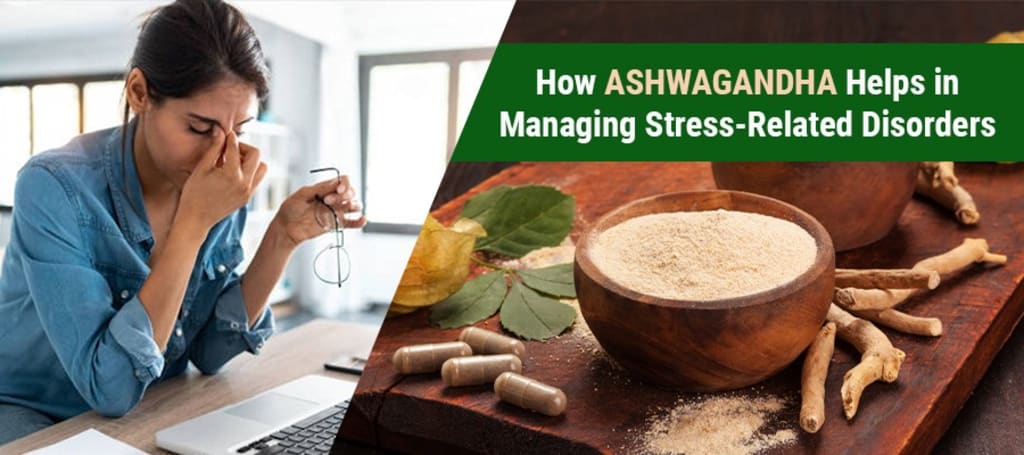
Stress is something we all face in life. Sometimes, it can be a small thing like rushing to meet a deadline, but when stress becomes constant, it can affect your health. Long-term stress can lead to problems like anxiety, trouble sleeping, low energy, and even weaken your body’s ability to fight illnesses.
The good news is that natural remedies like Ashwagandha, a powerful herb used in Ayurveda, can help. Ashwagandha is known for its ability to reduce stress and improve overall well-being. Let’s explore how this amazing herb works, how it helps with stress-related issues, and why it’s worth including in your daily routine.
What is Ashwagandha?
Ashwagandha is an ancient herb often called "Indian ginseng" or "winter cherry." It is a small plant with yellow flowers, and its roots and leaves are used to make herbal remedies.
Ashwagandha is an adaptogen, which means it helps your body deal with stress. Adaptogens are natural substances that make you more resistant to physical, mental, and emotional stress. This unique property makes Ashwagandha a great choice for managing stress-related disorders.
Why is Stress Harmful?
When you’re stressed, your body produces a hormone called cortisol. In small amounts, cortisol is helpful because it prepares your body to respond to challenges. However, when stress doesn’t go away, cortisol levels stay high, which can lead to problems such as:
- Anxiety and Worry: Too much cortisol can make you feel restless or uneasy.
- Poor Sleep: Stress can disturb your sleep, making it hard to rest and recover.
- Low Immunity: Chronic stress weakens your immune system, so you get sick more easily.
- Tiredness: Long-term stress can drain your energy.
- Heart Problems: High stress can increase blood pressure and the risk of heart issues.
How Ashwagandha Helps with Stress
1. Reduces Cortisol Levels
Ashwagandha works by lowering cortisol levels in the body. When cortisol is reduced, your body feels less stressed, and you start feeling calmer. Lower cortisol also helps improve your mood and reduce feelings of anxiety.
2. Improves Mood and Mental Health
Ashwagandha helps balance chemicals in the brain, like serotonin and dopamine, which control your mood. By stabilizing these chemicals, it reduces symptoms of anxiety and depression, helping you feel more positive and relaxed.
3. Boosts Energy Levels
When you’re stressed, you often feel tired and drained. Ashwagandha helps restore your energy by supporting your body’s stress response. It strengthens your adrenal glands, which are responsible for producing stress hormones and energy-regulating hormones.
4. Promotes Better Sleep
Ashwagandha has calming properties that help you sleep better. If stress is keeping you awake at night, Ashwagandha can help you fall asleep faster and improve the quality of your sleep.
5. Strengthens Immunity
Stress can weaken your immune system, but Ashwagandha boosts it by reducing inflammation and supporting immune cells. This makes your body stronger and better able to fight off illnesses.
6. Protects Your Heart
Ashwagandha reduces stress-related damage to the heart. It helps control blood pressure, reduces inflammation, and protects your heart from the harmful effects of chronic stress.
How to Use Ashwagandha
Ashwagandha is available in several forms, including:
- Powder: Mix ashwagandha powder with warm milk or water, and drink it before bedtime for better sleep.
- Capsules or Tablets: Easy to take as a daily supplement.
- Tea: Brew Ashwagandha root or leaves to make a soothing tea.
- Tincture: Add a few drops of Ashwagandha tincture to water or juice.
Dosage: Most people can safely take 300–600 mg of Ashwagandha extract daily. However, it’s always a good idea to check with a healthcare professional before starting any new supplement.
Are There Any Side Effects?
Ashwagandha is generally safe for most people, but there are a few things to keep in mind:
- Pregnant or breastfeeding women should avoid Ashwagandha unless advised by a doctor.
- If you have health conditions like thyroid issues or autoimmune diseases, consult a healthcare provider before using Ashwagandha.
- Some people may experience mild side effects like an upset stomach or drowsiness.
Precautions and Side Effects
While Ashwagandha is a powerful herb, combining it with healthy lifestyle practices can make it even more effective:
- Exercise Regularly: Physical activity helps reduce stress and boost your mood.
- Eat a Balanced Diet: Include fruits, vegetables, and whole grains in your meals.
- Practice Mindfulness: Yoga, meditation, or deep breathing exercises can help calm your mind.
- Get Enough Sleep: Make sleep a priority by creating a relaxing bedtime routine.
Conclusion
Ashwagandha is a natural and time-tested remedy for managing stress. Its ability to lower cortisol, improve mood, boost energy, and promote better sleep makes it an excellent choice for people dealing with stress-related disorders.
If stress is affecting your health and happiness, Ashwagandha could be the solution you’re looking for. Pair it with a healthy lifestyle, and you’ll be well on your way to feeling calmer, stronger, and more in control.
Start small, stay consistent, and let this amazing herb bring balance back to your life. Always consult a healthcare professional to ensure Ashwagandha is right for you.
About the Creator
Enjoyed the story? Support the Creator.
Subscribe for free to receive all their stories in your feed.
Comments
There are no comments for this story
Be the first to respond and start the conversation.