
HIV prevention drug could reduce cases globally but USAID cuts prevent access, say experts
Experts warn funding cuts could limit access to a powerful HIV prevention tool that may help reduce global infections. A breakthrough prevention medicine offers hope in the fight against HIV, but experts fear reduced funding could slow progress. Health leaders say expanding access to PrEP is critical as financial challenges threaten global HIV prevention efforts. The future of HIV prevention depends on ensuring life-saving medicines reach vulnerable communities worldwide. Experts highlight the potential of HIV prevention drugs while warning that funding disruptions could put progress at risk.
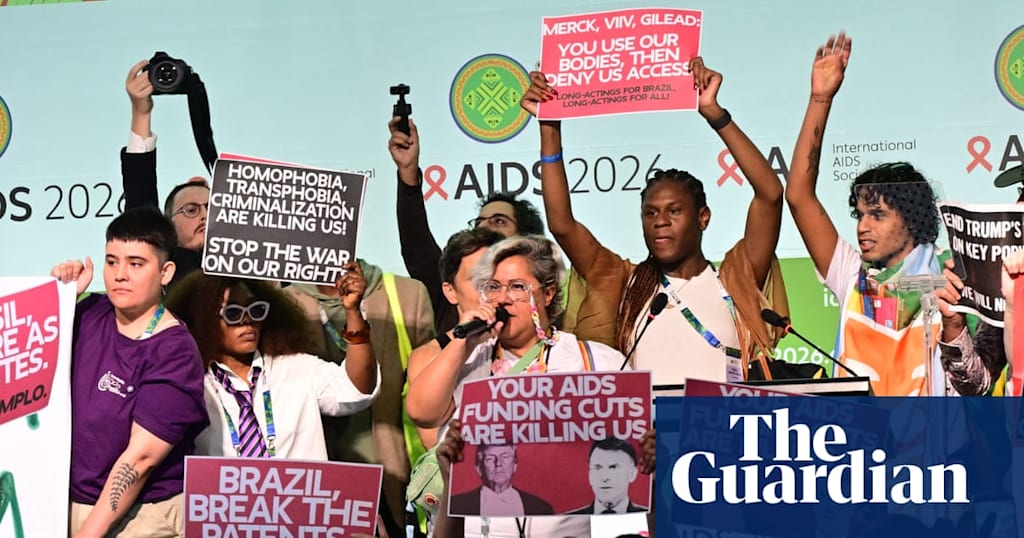
Health experts warn that funding reductions threaten access to life-saving HIV prevention tools as global efforts face new challenges
A highly effective HIV prevention drug has the potential to significantly reduce new infections worldwide, but experts warn that funding cuts affecting international health programs could prevent millions of people from accessing the treatment. Public health specialists say that maintaining access to prevention tools, including modern HIV prevention medicines, is essential to reversing decades of progress against the global HIV epidemic.
The drug, known as pre-exposure prophylaxis (PrEP), has transformed HIV prevention by providing people at risk of infection with a powerful tool to protect themselves. When taken correctly, PrEP can dramatically lower the risk of acquiring HIV. Health experts believe wider availability of such medicines could accelerate progress toward reducing new HIV infections around the world.
However, specialists have raised concerns that reductions in international health funding, including changes affecting programs supported by the United States Agency for International Development (USAID), could limit access to prevention services in countries that rely heavily on foreign assistance.
For many low- and middle-income countries, international funding has played a major role in supporting HIV prevention campaigns, distributing medicines, training healthcare workers, and maintaining testing programs. Experts argue that disruptions to these systems could slow progress and create new challenges for communities already vulnerable to HIV.
The global fight against HIV has made significant advances over the past several decades. Antiretroviral treatment has allowed millions of people living with HIV to lead longer and healthier lives, while prevention strategies have helped reduce transmission. Yet health officials emphasize that continued investment is necessary to maintain these gains.
PrEP represents one of the most important developments in HIV prevention. Unlike older prevention methods that depended mainly on behavioral changes or barrier protection, PrEP provides a medical option that can empower individuals to take control of their own health.
Health experts say the impact of PrEP could be especially significant among groups that face higher risks of HIV exposure. Expanding access could help reduce infections among vulnerable populations and support broader global targets for ending the HIV epidemic.
Despite its effectiveness, access to PrEP remains uneven. Cost, healthcare infrastructure limitations, lack of awareness, and social stigma continue to prevent many people from using the medication. In some regions, patients face difficulties reaching clinics, obtaining prescriptions, or receiving regular monitoring required for safe use.
International aid programs have helped address many of these barriers by supporting healthcare systems and making prevention services available in areas where resources are limited. Experts warn that funding reductions could weaken these efforts and leave communities without reliable access to essential prevention tools.
Organizations working in global health have emphasized that prevention is often more cost-effective than treating new infections after they occur. By preventing HIV transmission, health systems can reduce long-term treatment costs while improving quality of life for millions of people.
Experts also highlight the importance of combining PrEP with other prevention strategies. Regular HIV testing, education programs, access to condoms, and treatment for people living with HIV remain critical parts of a comprehensive response.
The concern surrounding funding cuts is not only about medicine supply but also about the broader healthcare infrastructure needed to deliver prevention services. Clinics require trained staff, laboratory support, patient education, and community outreach programs to ensure that prevention efforts succeed.
Healthcare professionals working in affected regions say interruptions in funding can have immediate consequences. Reduced outreach, fewer prevention campaigns, and limited medical support could make it harder to identify people who need protection and connect them with services.
Global health advocates have called for continued investment in HIV prevention programs, arguing that abandoning successful strategies could reverse years of progress. They stress that HIV remains a major public health challenge and requires sustained international cooperation.
The debate over HIV prevention funding comes at a time when many countries are reassessing foreign assistance priorities. Supporters of continued investment argue that global health programs also contribute to international stability by strengthening healthcare systems and preventing future crises.
Some experts warn that failing to provide access to effective prevention tools could result in increased HIV infections, especially in regions where healthcare systems are already under pressure. They argue that prevention efforts must remain a priority to achieve global health goals.
At the same time, researchers continue working on new HIV prevention technologies. Long-acting prevention medicines, including injectable options that require less frequent dosing, are being explored as additional tools that could improve access and convenience.
The future of HIV prevention will depend on both scientific progress and the ability to deliver existing solutions to the people who need them most. Experts say a medical breakthrough only has its full impact when communities can access and use it.
As global health organizations continue monitoring the situation, the message from experts is clear: effective HIV prevention tools can save lives, but access depends on reliable funding, strong healthcare systems, and international commitment.
The potential of PrEP to reduce HIV infections worldwide represents one of the biggest opportunities in modern public health. However, without sustained support and investment, experts fear that progress could slow and vulnerable communities could face renewed risks.
The fight against HIV has shown that prevention, treatment, and education can work together to transform lives. Ensuring that proven prevention medicines reach people around the world remains a critical step toward ending the HIV epidemic.
About the Creator
Enjoyed the story? Support the Creator.
Subscribe for free to receive all their stories in your feed.
Comments
There are no comments for this story
Be the first to respond and start the conversation.