
High Seas, Heat and Heavy Rain: El Niño Is on Track to Become the Strongest on Record
A potentially record-breaking El Niño could bring extreme heat, intense rainfall, drought, flooding and major disruptions to communities and ecosystems around the world.
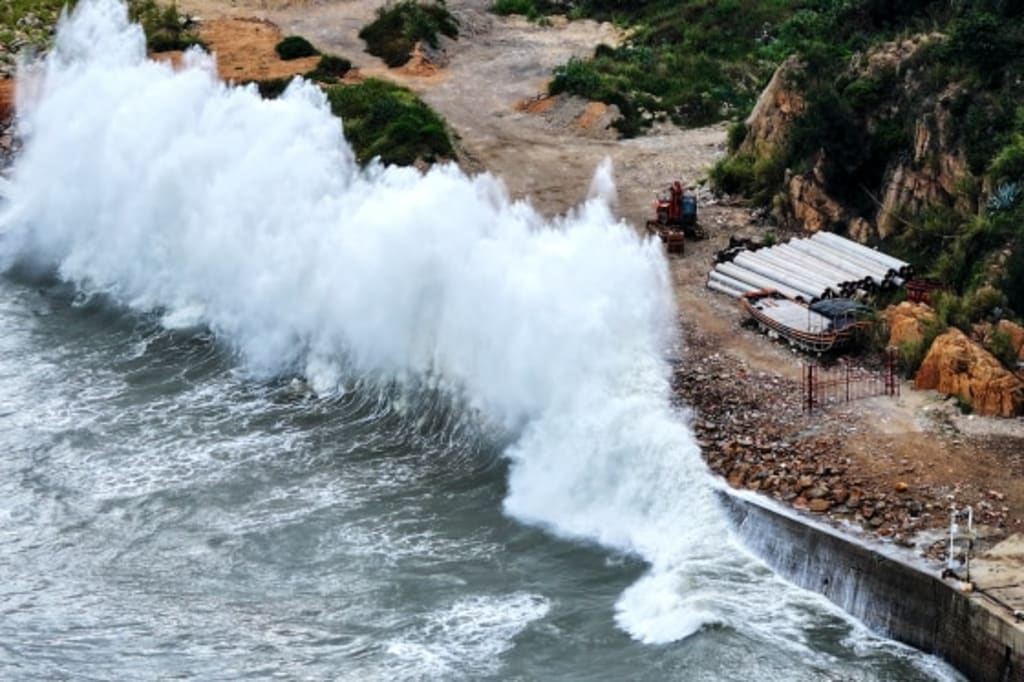
A Powerful Climate Pattern Is Building Across the Pacific
A major El Niño event is rapidly developing in the tropical Pacific, and the latest forecasts suggest that the 2026–27 episode could become one of the strongest—and potentially the strongest—El Niño ever observed. Scientists are watching the situation closely because El Niño is not simply a warming of the Pacific Ocean. It can reorganize atmospheric circulation and influence rainfall, temperature, storms and drought across large parts of the world.
Recent forecasts have become increasingly concerning. The U.S. National Oceanic and Atmospheric Administration has raised expectations for an exceptionally strong event, while other climate agencies are also warning that the developing pattern could rival or exceed previous major episodes.
What Is El Niño?
El Niño is the warm phase of the El Niño-Southern Oscillation, commonly known as ENSO. It develops when unusually warm surface waters spread across the central and eastern tropical Pacific. Changes in ocean temperature then interact with winds and atmospheric circulation, producing weather effects far beyond the Pacific.
Historically, some of the most powerful El Niño events occurred in 1982–83, 1997–98 and 2015–16. The 1997–98 event, for example, contributed to severe flooding in some regions, drought in others and significant disruption to agriculture, ecosystems and communities.
The current event is attracting particular attention because ocean temperatures are rising rapidly and forecasts indicate that the warming could continue into late 2026 and early 2027.
Record-Warm Seas Are Adding to the Concern
The Pacific is not developing this event in isolation. Global ocean temperatures are already exceptionally high, meaning that El Niño is emerging on top of a warmer-than-normal climate background.
That matters because warmer oceans provide additional energy and moisture to the atmosphere. When El Niño changes atmospheric circulation, the combination can amplify certain forms of extreme weather.
Scientists therefore distinguish between the direct effects of El Niño and the broader influence of human-caused climate change. El Niño is a natural climate phenomenon, but rising global temperatures can make some of its consequences more severe.
Heat Could Spread Across Continents
One of the biggest concerns is extreme heat. El Niño can increase global average temperatures because heat stored in the Pacific Ocean is redistributed through the atmosphere.
The developing event could therefore contribute to exceptionally warm conditions in parts of North and South America, Asia, Africa and Europe. Some regions may experience dangerous heatwaves, while others could see less rainfall and increased wildfire risk.
There is also growing concern that 2026 or 2027 could approach or challenge global temperature records. Scientists emphasize, however, that El Niño alone does not determine whether a particular year becomes the hottest on record. Long-term greenhouse-gas-driven warming remains the underlying factor.
Heavy Rain and Flooding in Vulnerable Regions
El Niño does not produce drought everywhere. Its effects vary dramatically depending on location and the precise structure of the event.
For parts of the southern United States, including California, a strong El Niño can shift storm tracks and increase the likelihood of heavy winter precipitation. Current forecasts have already raised concerns about unusually high rainfall, flooding and coastal water levels along parts of the U.S. West Coast.
Heavy rain can be beneficial for reservoirs and drought-stricken landscapes, but intense rainfall arriving over a short period can create dangerous flooding, landslides and infrastructure damage.
Drought Remains a Serious Threat
While some places may receive too much rain, others could experience prolonged dryness.
El Niño has historically been associated with reduced rainfall across parts of Australia, Indonesia and other areas of the western Pacific. Dry conditions can affect agriculture, water supplies, forests and food prices.
Southeast Asia is particularly important because millions of people depend on predictable seasonal rainfall for farming and water security. Forecasts for a powerful El Niño have already increased concern about heat, drought, wildfires and agricultural losses in the region.
Why This Event Could Be Different
The most important question is whether this El Niño will merely be strong or truly exceptional.
Recent forecasting has shifted toward the latter possibility. A report published in August 2026 noted that forecasts from major institutions increasingly point toward an event that could surpass historical benchmarks. NOAA's current outlook has substantially increased the probability of a record-strength event.
However, scientists remain cautious. Forecast models are powerful but cannot perfectly predict every atmospheric and oceanic development months in advance. El Niño intensity can change, and regional impacts are never identical from one event to another.
That uncertainty is why the phrase “strongest on record” should be treated as a forecast rather than a confirmed outcome.
Agriculture and Food Security at Risk
Extreme weather linked to El Niño can have serious consequences for agriculture. Drought can reduce crop yields, while excessive rainfall can destroy fields and delay planting or harvesting.
Changes in temperature and rainfall can also affect livestock, fisheries and food transportation. Poor harvests in several major agricultural regions at the same time could place additional pressure on global food prices.
Developing countries and communities dependent on rain-fed agriculture are often especially vulnerable because they have fewer financial resources to recover from repeated climate shocks.
Oceans and Marine Life Face Pressure
The ocean itself can also suffer during a powerful El Niño.
Changes in sea temperatures and ocean circulation can disrupt marine ecosystems. Warmer surface waters can contribute to coral bleaching, while changes in nutrient-rich upwelling can affect fish populations.
These changes matter economically as well as environmentally. Fishing communities across the Pacific and along the western coasts of the Americas can be affected when marine species move, decline or change their normal distribution.
Preparing for a Potential Climate Shock
The emerging El Niño is a reminder that climate preparedness cannot wait until extreme weather arrives.
Governments can strengthen flood defenses, improve early-warning systems, monitor reservoirs and prepare emergency shelters. Farmers can adjust planting decisions where forecasts provide enough confidence, while communities facing wildfire risk can improve vegetation management and evacuation plans.
Individuals can also follow official weather warnings, prepare emergency supplies and understand local flood, heat and wildfire risks.
A Global Test of Preparedness
The developing 2026–27 El Niño could become a defining climate event. Its combination of unusually warm Pacific waters, extreme heat potential, heavy rainfall and drought risks makes it important far beyond the tropical Pacific.
Whether it ultimately becomes the strongest El Niño on record remains uncertain. What is increasingly clear is that the world is entering a period in which natural climate variability is interacting with a warmer planet.
The most important lesson is therefore not simply how strong El Niño becomes. It is how effectively governments, communities and individuals use scientific forecasts to prepare for its consequences. If the event reaches the exceptional levels currently projected, early preparation could make the difference between a difficult season and a far more damaging global climate emergency
About the Creator
Enjoyed the story? Support the Creator.
Subscribe for free to receive all their stories in your feed.
Comments
There are no comments for this story
Be the first to respond and start the conversation.