
Hearing Aid Repair vs. Replacement: What’s the Right Choice?
How to Decide Between Fixing Your Current Hearing Aid or Investing in a New One
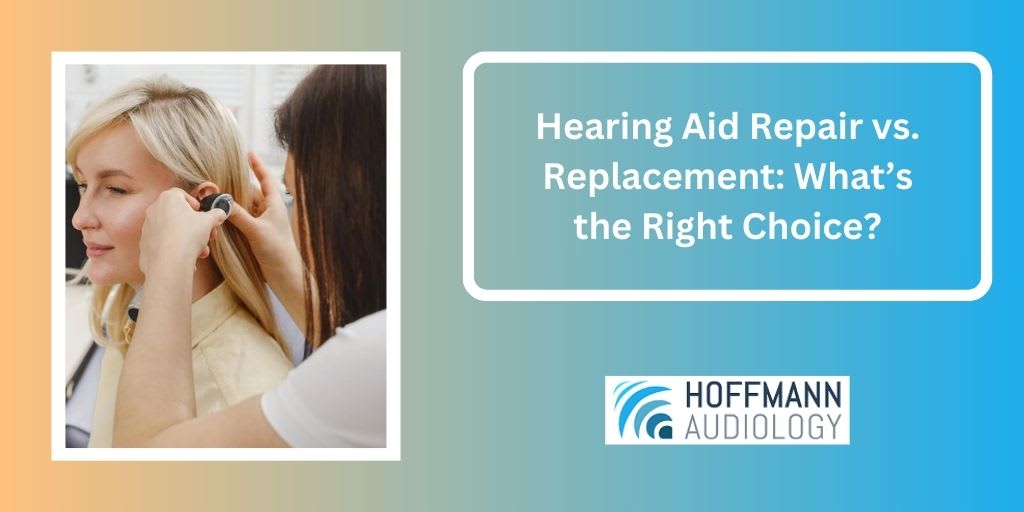
Hearing aids are essential devices that significantly enhance the quality of life for those with hearing loss. Like any piece of technology, they can experience wear and tear over time. When issues arise—whether due to damage, malfunction, or simple aging—users often face a common dilemma: should they repair their hearing aid or replace it altogether?
Making the right choice involves weighing several factors, including cost, age of the device, frequency of repairs, and the availability of newer technologies. Understanding these considerations can help users make an informed decision that balances practicality with long-term hearing health.
When Repair Might Be the Right Choice
In many cases, repairing a hearing aid can be a cost-effective and efficient way to restore functionality, especially if the device is relatively new or the issue is minor.
1. Minor Issues
Problems such as clogged microphones, weak battery contacts, or broken tubing are often simple and inexpensive to fix. Many of these repairs can be done quickly, sometimes even at home or in a hearing clinic.
2. Device is Under Warranty
If your hearing aid is still under warranty, repairs may be covered at little to no cost. In this case, it often makes sense to have the device repaired rather than pay out of pocket for a new one.
3. Recent Purchase
Hearing aids are a significant investment. If you purchased your device within the last 2–3 years and it still suits your hearing needs, repairing it can extend its life without the added cost of replacement.
4. Customization and Fit
Hearing aids are often custom-fitted and adjusted to suit individual preferences and ear shapes. A replacement may require a new fitting process, while a repair keeps your current configuration intact.
When Replacement Might Be the Better Option
While repairs are practical in many situations, there are times when replacement is the smarter long-term decision.
1. Age of the Hearing Aid
Hearing aids typically last between 3 to 7 years, depending on usage and maintenance. If your device is nearing the end of its lifespan, repairing it may only provide a temporary solution. Older devices are also more likely to develop recurring issues.
2. Frequent Repairs
If you find yourself repeatedly visiting your audiologist or technician for repairs, the cumulative cost and inconvenience might outweigh the price of a new device. Frequent breakdowns can also impact your daily routine and communication.
3. Outdated Technology
Hearing aid technology has advanced rapidly in recent years. Newer models often come with features such as Bluetooth connectivity, improved noise reduction, rechargeable batteries, and more natural sound processing. If your current device lacks these advancements, replacing it might greatly enhance your hearing experience.
4. Changes in Hearing Needs
Hearing loss can change over time. If your current device no longer meets your hearing needs despite proper functioning, it may be time for a reassessment and possible upgrade.
Cost Considerations
Cost plays a major role in the repair vs. replacement debate. Repairs are typically less expensive upfront. However, it's important to consider:
- Repair costs outside warranty: These can add up, especially if multiple components need replacement.
- New device cost vs. long-term reliability: A new hearing aid may be a larger investment initially, but it often comes with updated warranties, improved features, and better durability.
Before making a financial decision, compare the costs of repairing your current device with the price and potential benefits of a new one.
Emotional and Practical Factors
There are also non-technical aspects to consider:
- Comfort with your current device: Some users prefer sticking with a familiar device they've grown accustomed to.
- Lifestyle needs: If your lifestyle has changed—such as increased need for phone or virtual communication—a new device with enhanced connectivity may better support your daily activities.
Professional Guidance is Key
Ultimately, the decision to repair or replace a hearing aid should be made in consultation with a hearing care professional. They can evaluate your device, assess your hearing needs, and provide tailored recommendations based on your situation.
During your consultation, consider asking:
- Is my hearing aid repairable?
- How much will the repair cost, and is it covered by warranty?
- Is my current device still suitable for my hearing level?
- What new features would a replacement offer me?
Conclusion
Deciding between hearing aid repair and replacement isn't always straightforward. Minor issues or recently purchased devices often justify repair, while aging devices or frequent malfunctions point toward replacement. Balancing practical, financial, and personal factors—along with expert guidance—will help ensure you make the best decision for your hearing health and lifestyle.
Taking the time to evaluate your options can lead to better long-term outcomes and a more satisfying hearing experience. Whether you choose to repair or replace, prioritizing your hearing health is always the right choice.
Disclaimer: Please note that this information is for educational purposes only. There is no patient-doctor relationship established. Please consult your healthcare provider for individualized recommendations.
About the Creator
Enjoyed the story? Support the Creator.
Subscribe for free to receive all their stories in your feed.
Comments
There are no comments for this story
Be the first to respond and start the conversation.