
Healing with the Gods
Advanced Medicine in Ancient Egypt

The ancient Egyptians stand as pioneers in the field of medicine, with techniques and knowledge that rival even modern-day advancements. Their understanding of anatomy, surgery, and prosthetics reveals a highly developed medical system that was far ahead of its time. This article dives into the remarkable achievements of ancient Egyptian medicine, highlighting their work in limb replacement, cranial surgery, and the intricate healing practices that established the Egyptians as some of the world’s first medical geniuses.
Limb Replacement: The First Prosthetics
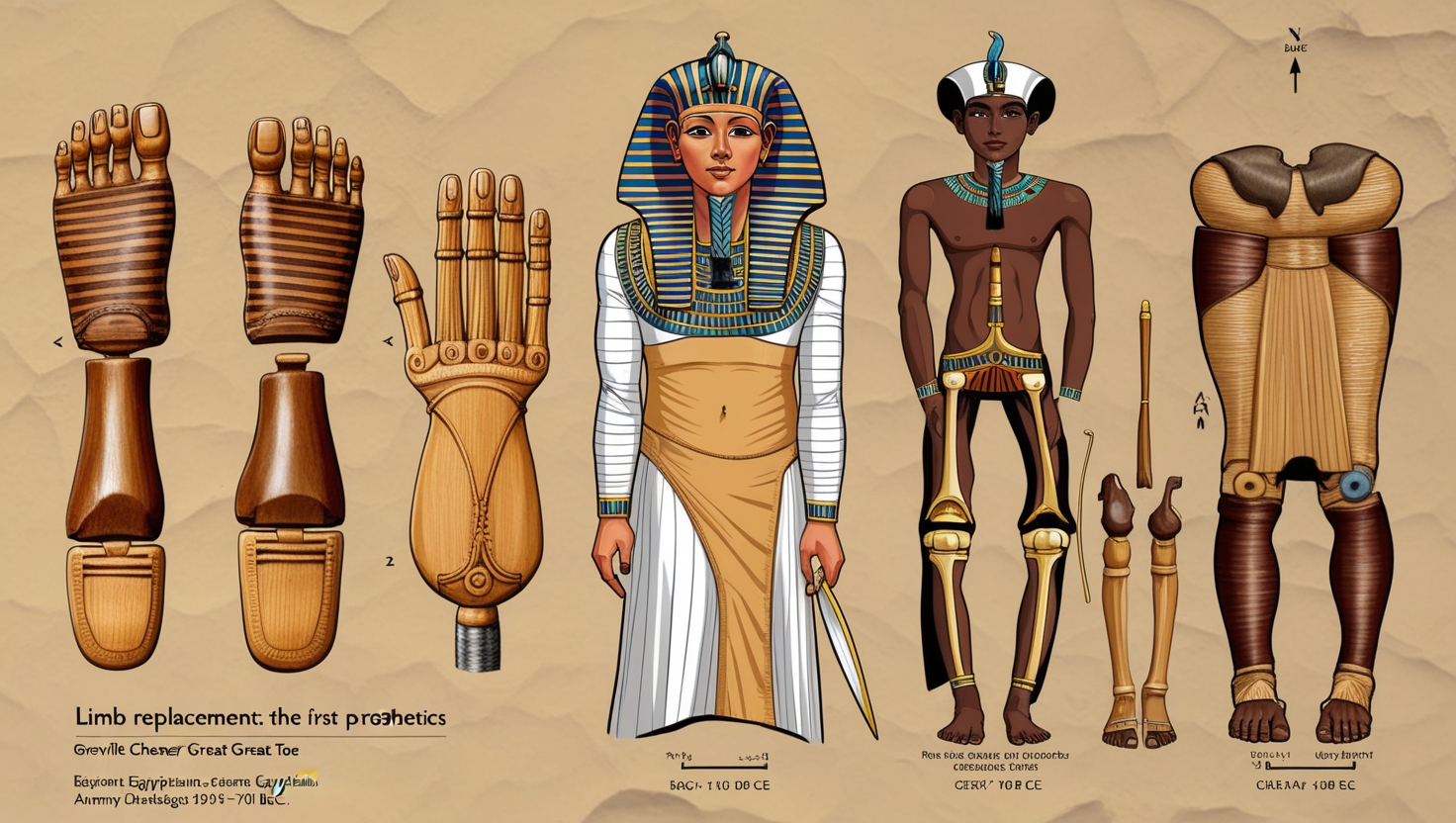
Ancient Egyptians are among the earliest civilizations known to use prosthetic limbs, demonstrating both compassion for the disabled and a sophisticated understanding of anatomy and function. Archeologists have uncovered wooden toes and even fingers that were crafted with incredible detail and precision to replace missing body parts.
For instance, one of the most famous prosthetics, known as the Greville Chester Great Toe, was found on a mummy dating back to 950–710 BCE. Made from wood and leather, it was carefully shaped to match the missing toe and showed signs of wear, suggesting the prosthetic was used in everyday life. These early prosthetics were not merely ornamental but designed to assist with mobility, revealing an understanding of biomechanics.
Such examples point to a society that valued quality of life and sought ways to restore physical function and dignity to the injured. The careful construction of these prosthetics also highlights a comprehensive anatomical knowledge that allowed Egyptian healers to create functional, wearable replacements for missing limbs — a remarkable feat for the ancient world.
Brain Surgery: Trepanation and Cranial Intervention
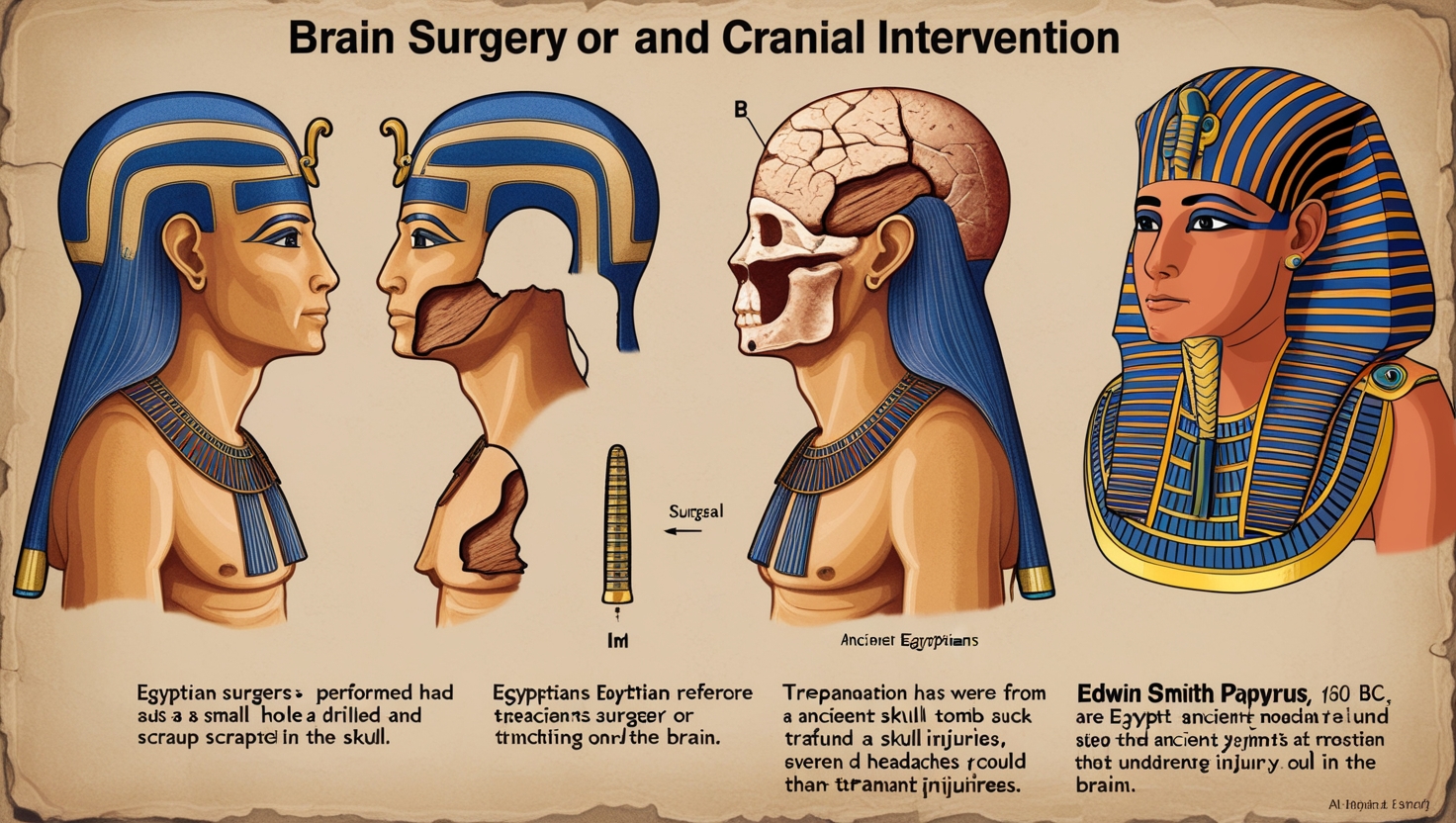
Perhaps one of the most fascinating aspects of ancient Egyptian medicine is their apparent understanding of the brain and cranial injuries. Evidence suggests that Egyptian surgeons performed trepanation, a procedure where a small hole was drilled or scraped into the skull. Trepanation was used to treat head injuries, such as skull fractures or severe headaches, by relieving pressure on the brain. This procedure required immense skill, as even a small misstep could lead to death or permanent injury.
Skull remains from ancient Egyptian tombs show signs of successful trepanation, where bone regrowth around the edges of the drilled area indicates that patients survived for years post-surgery. This success is a testament to the Egyptian physicians’ skill in aseptic technique and precision.
Moreover, Egyptian medical texts, such as the Edwin Smith Papyrus, reveal their understanding of the brain’s role in bodily function — a rare insight for ancient civilizations. The papyrus, dating back to around 1600 BCE, describes head injuries, brain function, and associated symptoms in an organized manner, showing that Egyptians had a remarkable, albeit limited, grasp of neurology and head trauma.
Surgical Tools and Techniques: Precision Beyond Their Time
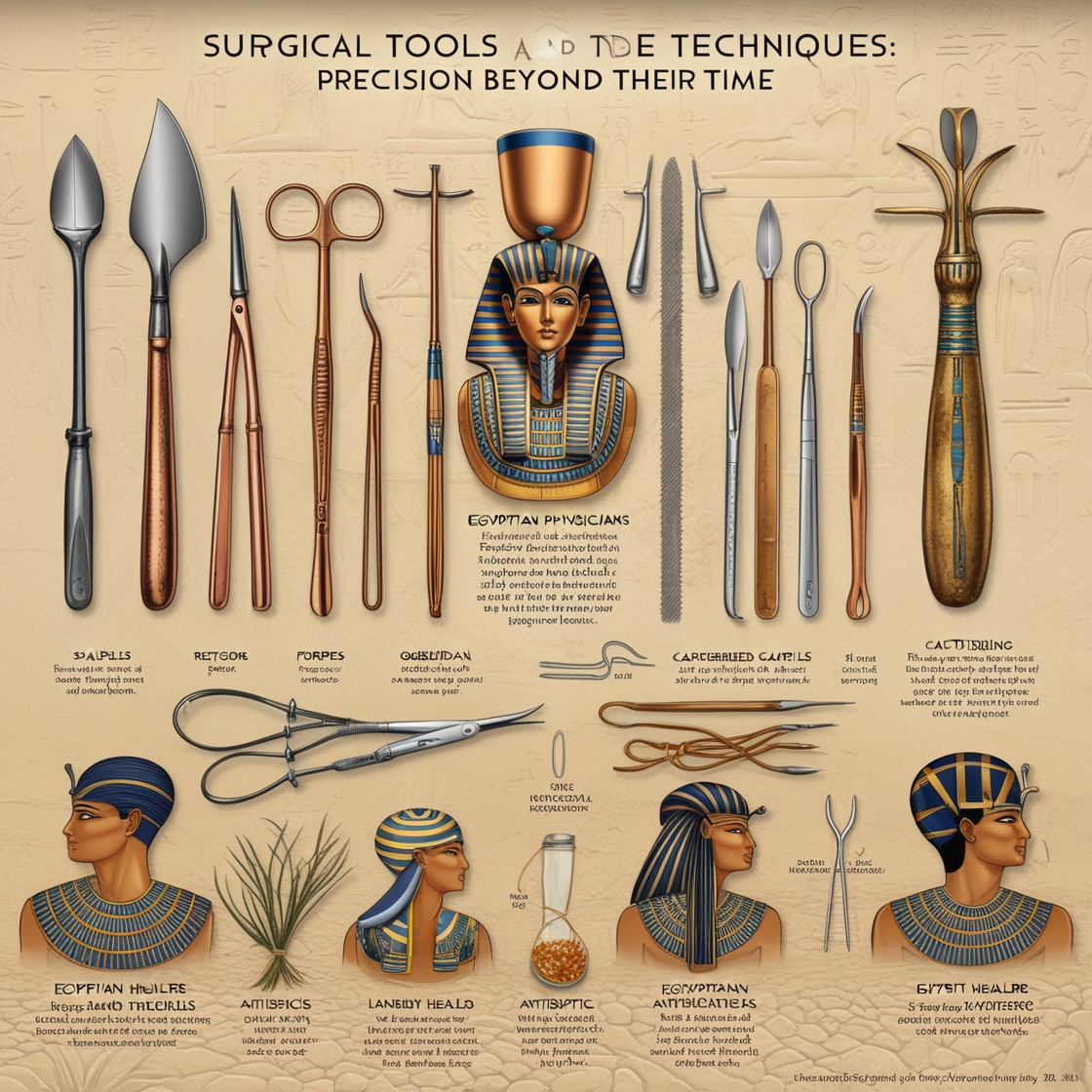
Egyptian physicians used a variety of surgical tools made from bronze, copper, and even sharpened obsidian — considered to be sharper than modern steel scalpels. Excavations have uncovered scalpels, retractors, forceps, and cauterization tools in temples dedicated to healing deities, such as Imhotep, considered the god of medicine. Egyptian physicians also mastered suturing, using linen threads and needles to close wounds, thus preventing infection and speeding up recovery.
To further prevent infections, Egyptian healers utilized antiseptics and natural antibiotics, such as honey, which has antibacterial properties, and myrrh, a natural resin that reduced the risk of infection in wounds. These practices show an understanding of sanitation and wound care that preceded other ancient cultures by centuries.
The Role of the Mummification Process in Advancing Medical Knowledge
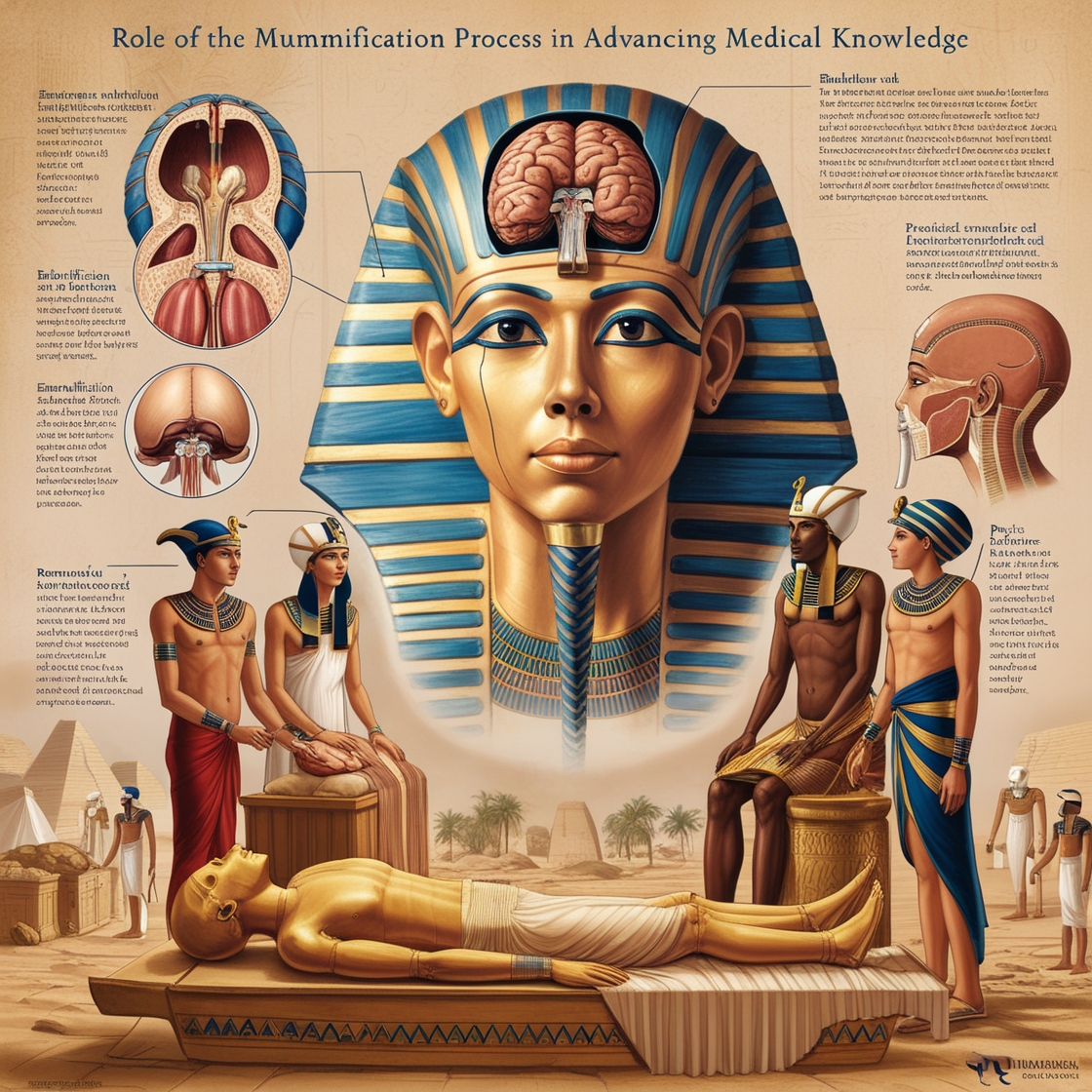
Mummification, a central part of Egyptian death rituals, was also an unexpected contributor to their medical knowledge. While preparing bodies for the afterlife, embalmers gained detailed anatomical knowledge, as they carefully removed organs, preserved tissues, and protected the physical form. The removal of the brain through the nasal cavity, for instance, indicates an understanding of the skull’s internal structure and provided practical experience in cranial manipulation.
Embalmers and physicians, though distinct professions, were likely influenced by each other’s work. This unique crossover meant that knowledge gained through mummification may have helped shape medical practices, contributing to an unprecedented anatomical understanding in the ancient world.
A Legacy of Healing: Egyptian Influence on Modern Medicine
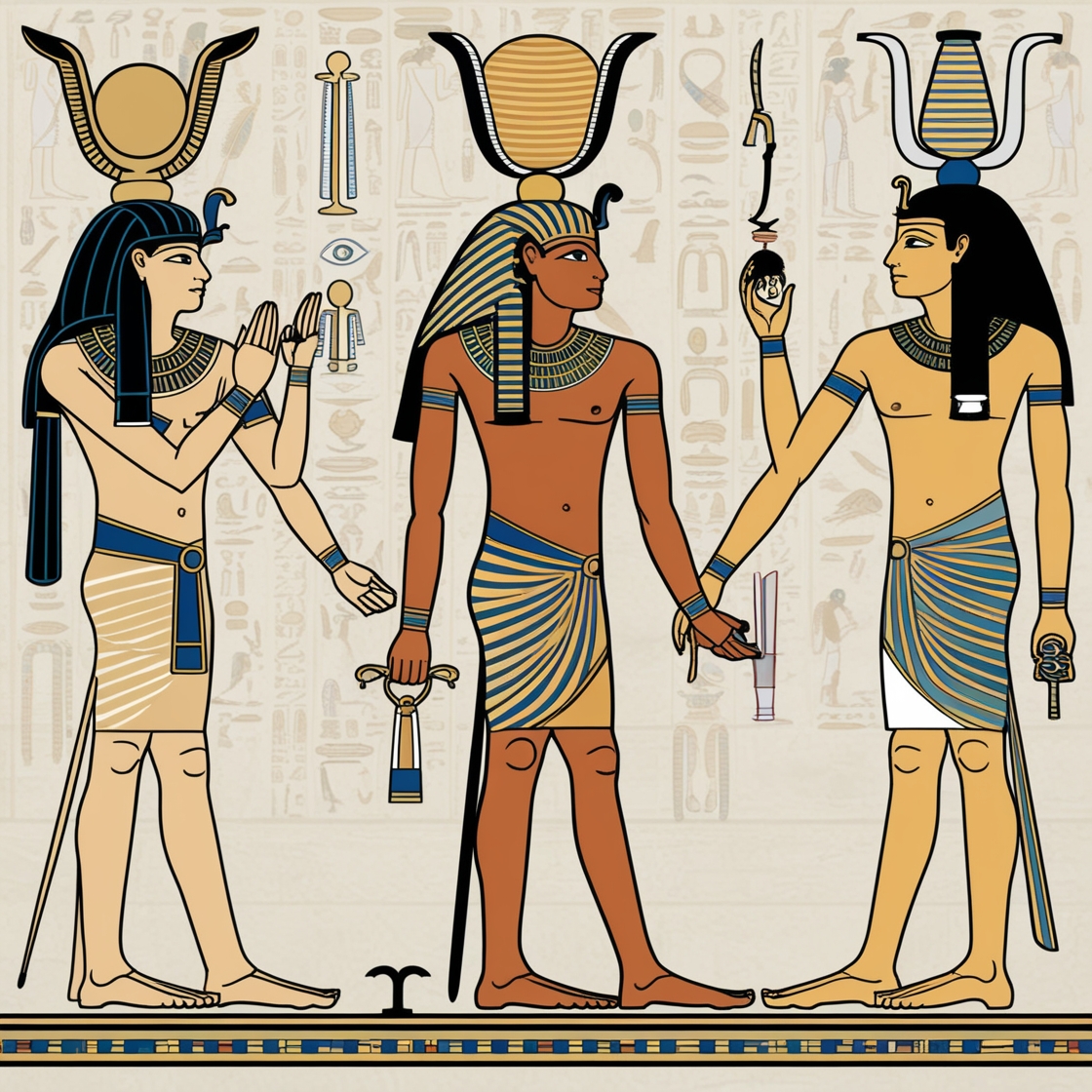
The medical achievements of the ancient Egyptians laid a foundation that influenced future civilizations, including the Greeks and Romans. Many Greek scholars, including Hippocrates and Galen, were inspired by Egyptian practices and incorporated them into their own medical knowledge. Texts like the Edwin Smith Papyrus and the Ebers Papyrus became early textbooks, guiding students of medicine for generations.
Even in modern medicine, we find echoes of Egyptian wisdom. Practices such as aseptic surgery, prosthetic design, wound suturing, and the holistic treatment of the patient as both body and spirit are rooted in Egyptian medicine. Their legacy is a testament to their genius, demonstrating that the ancient Egyptians were not just pioneers in art and architecture but also in the sophisticated and compassionate science of healing.
Conclusion: The Eternal Wisdom of the Pharaohs
The intelligence of the ancient Egyptians in medicine reveals a deep commitment to healing, a respect for life, and a quest for knowledge that transcended their time. Through their advanced surgical techniques, the development of prosthetics, and their unique approach to anatomy and spiritual healing, the Egyptians proved themselves to be brilliant medical practitioners. Their enduring influence on the world of medicine reminds us that wisdom and compassion are timeless qualities that define true progress.
About the Creator
Dr Abanoub Nabil
Doctor passionate about mental and physical health. Sharing expert insights and practical tips to inspire healthier living, one article at a time. Let's thrive
Enjoyed the story? Support the Creator.
Subscribe for free to receive all their stories in your feed.
Comments
There are no comments for this story
Be the first to respond and start the conversation.