
GMD: Understanding the Role of Modern Medical Diagnostics in Better Healthcare
How advanced diagnostic approaches help people make informed decisions about their health and wellbeing.
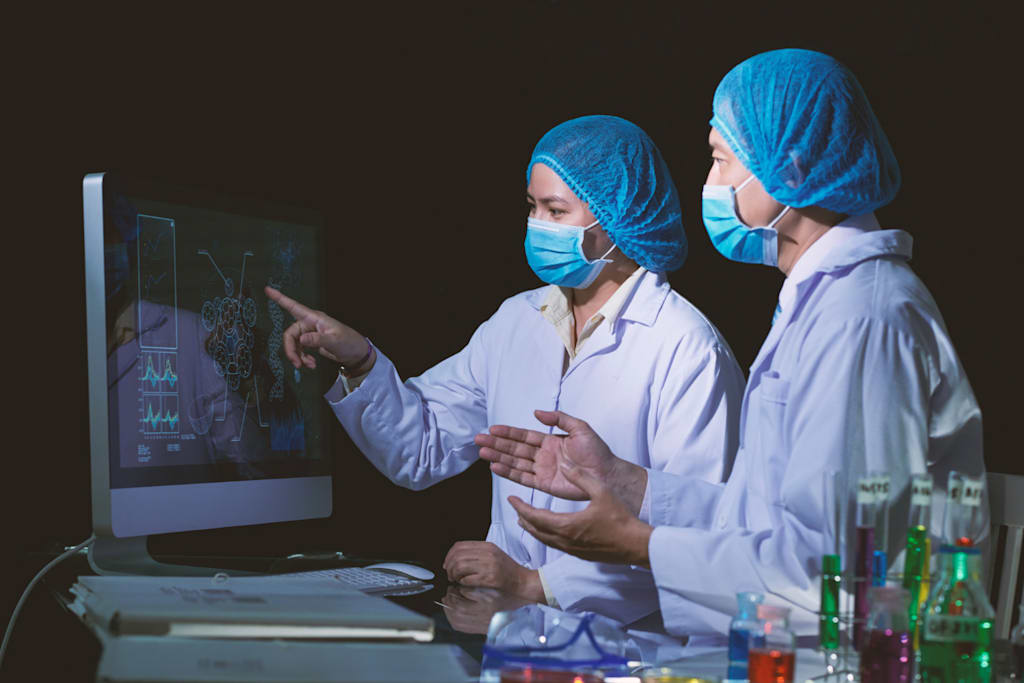
A few years ago, many people waited until symptoms became serious before visiting a doctor. A small discomfort was often ignored, hoping it would disappear on its own. Today, healthcare is moving toward a more informed approach where early understanding and prevention play a much bigger role.
Imagine someone who feels unusually tired for weeks. Instead of ignoring it, they visit a healthcare professional who recommends the right tests. Those results provide important clues, helping doctors understand what may be happening inside the body. This simple process shows why accurate diagnostics have become such an important part of modern healthcare.
GMD represents the growing importance of medical diagnostic solutions that help healthcare providers identify conditions, monitor health changes, and guide treatment decisions with better information.
What Makes Medical Diagnostics Important?
Medical diagnostics are the foundation of effective healthcare. Before a doctor can recommend treatment, they need a clear picture of a patient’s health condition. Diagnostic procedures provide valuable insights that cannot always be discovered through physical symptoms alone.
For example, two people may experience similar symptoms, such as headaches or weakness, but the reasons behind those symptoms can be completely different. Proper testing helps healthcare professionals understand the possible causes and choose appropriate next steps.
This approach reduces guesswork and supports more personalised healthcare decisions.
How Modern Diagnostic Methods Support Patients
The development of advanced diagnostic techniques has changed how people manage their health. Instead of only reacting to illness, individuals can take a more proactive role.
Some common benefits include:
Early identification of health concerns: Finding potential problems earlier can help doctors plan suitable care.
Better monitoring: Regular testing can help track changes in existing conditions.
Improved decision-making: Reliable information allows healthcare professionals to make more informed choices.
For patients, this means having a clearer understanding of their health journey rather than feeling uncertain about what is happening.
The Growing Importance of Accessible Healthcare Testing
Access to reliable diagnostic services is especially important for local communities. In the UK, people often rely on healthcare providers who can offer accurate testing and clear explanations of results.
Healthcare is not only about technology; it is also about communication. A test result can feel confusing or worrying if it is not explained properly. Supportive healthcare professionals help patients understand what their results mean and what actions they may need to consider.
GMD highlights how diagnostic progress connects technology, medical expertise, and patient care together.
Technology and the Future of Diagnostics
Technology continues to influence how medical testing is performed. Improvements in laboratory processes, digital healthcare systems, and data analysis are helping create faster and more efficient diagnostic experiences.
However, technology alone cannot replace the human side of healthcare. Doctors, nurses, and healthcare specialists remain essential because they interpret information and consider each patient’s individual situation.
The best healthcare outcomes often come from combining accurate diagnostic tools with professional knowledge and compassionate care.
Making Health Awareness a Daily Habit
Many people think about healthcare only when something feels wrong. However, regular health awareness can make a meaningful difference. Paying attention to changes in the body, attending recommended check-ups, and seeking professional advice when needed are simple steps everyone can take.
Good health decisions often begin with understanding. When people have access to clear information and reliable diagnostic support, they can feel more confident about managing their wellbeing.
Conclusion
Modern healthcare depends on more than treating illnesses after they appear. Understanding health conditions early and making informed decisions can improve the overall healthcare experience for patients.
GMD reflects the important role that diagnostics play in connecting people with better health awareness, professional guidance, and effective care pathways. As healthcare continues to develop, accurate diagnosis will remain a key part of helping communities build healthier futures.
About the Creator
Enjoyed the story? Support the Creator.
Subscribe for free to receive all their stories in your feed.
Comments
There are no comments for this story
Be the first to respond and start the conversation.