
From Screens to Sneakers: Inspiring Youth to Embrace Movement
Why Youth Need to Stay Active And How We Can Help
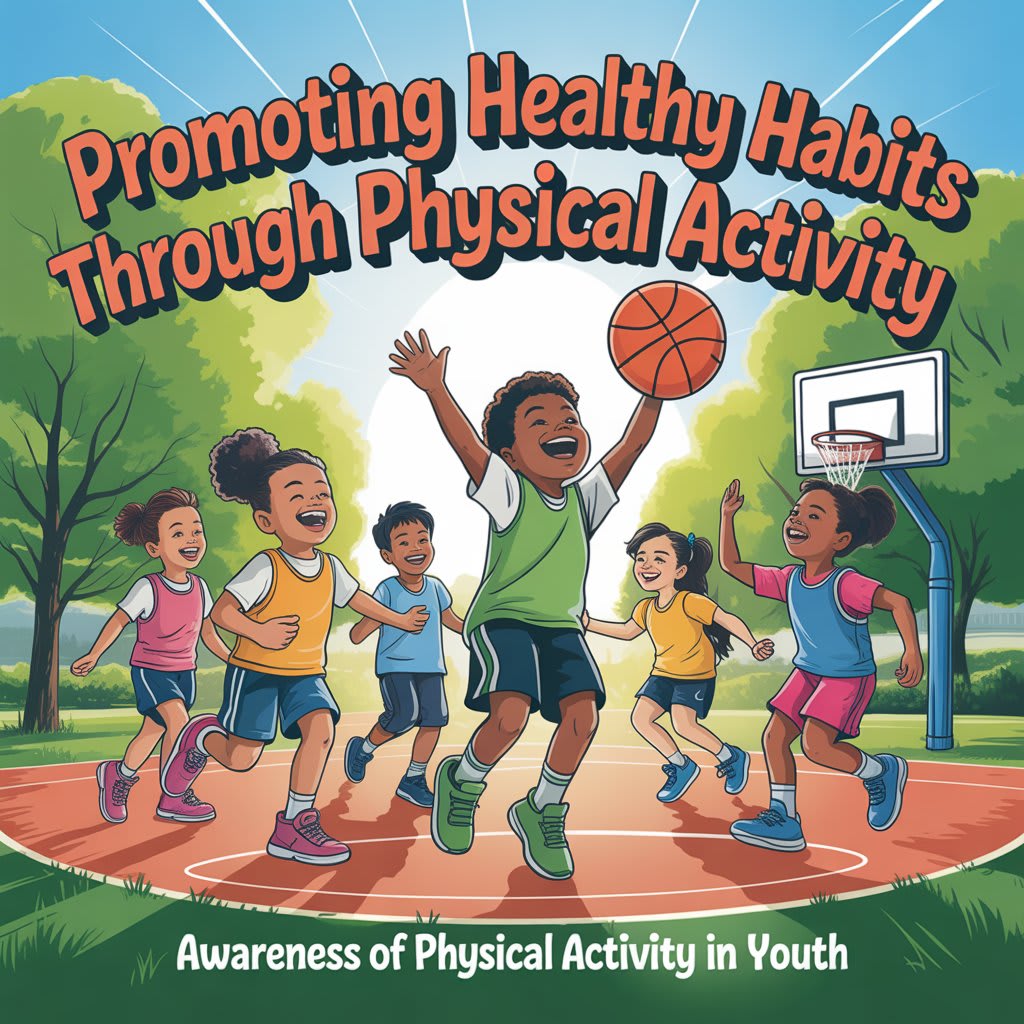
In today’s digital age, physical activity is often pushed aside by screens, schoolwork, and sedentary habits. As a result, many young people are missing out on the health benefits of regular movement. Encouraging physical activity in youth is not just helpful it’s essential for lifelong well being.
Why Physical Activity Matters
Being active doesn’t just mean playing sports or hitting the gym. It includes any movement that gets the body working ,walking, dancing, biking, even playing outside. Regular physical activity:
- Strengthens muscles and bones
- Improves heart health and fitness
- Boosts mood, sleep, and energy
- Supports brain function and focus
- Reduces the risk of obesity, diabetes, and anxiety
It’s also one of the best tools to improve mental health and emotional resilience in growing minds.
What the Stats Say
Too many young people don’t know how much movement they need. The World Health Organization (WHO) recommends:
- At least 60 minutes daily of moderate to vigorous activity for ages 5–17
- Mostly aerobic (like running, swimming, cycling)
- Include muscle and bone-strengthening activities 3 times
Yet many teens spend hours sitting in school, on phones, or in front of screens with little physical movement.
What’s Getting in the Way?
Here are some of the biggest barriers youth face:
- Excessive screen time (phones, games, TV)
- Lack of safe spaces to play or exercise
- Academic pressure that leaves little time for activity
- Limited awareness of health risks from inactivity
Studies show that physical inactivity is one of the leading global risk factors for early death and many of these habits begin in childhood.
The Role of Technology in Promoting Physical Activity
Instead of always blaming screens for inactivity, we can use technology to encourage movement. Fitness and health apps, smartwatches, and interactive games are modern tools that can help young people stay active in fun and creative ways
Popular tools include:
- Fitness trackers that count steps, monitor heart rate, and set movement goals
- Active video games (like Just Dance or Nintendo Switch Sports) that make moving feel like play
- Workout apps for guided routines, yoga, or home exercises
- Challenges on social media, like 30-day fitness goals or dance trends
- Virtual reality fitness experiences that blend games with workouts
When used positively, technology can motivate youth to stay on track, celebrate progress, and compete with friends all while building healthy habits
How to Promote Physical Activity
Promoting movement in everyday life starts with small changes:
- Schools can schedule daily PE or active breaks
- Parents can limit screen time and join in outdoor fun
- Communities can create safe parks and sports events
- Social media can spread fun challenges or fitness trends
- Health education can be included in the classroom
When youth understand why movement matters, they’re more likely to make it part of their routine.
Making Exercise Fun
To keep teens and kids engaged, exercise needs to be fun not a chore. Try:
- Group games or fitness challenges with friend
- Dance parties or music-based workouts
- Family relay races or scavenger hunts
- Fitness apps or games that get you moving
- Trying different sports until one clicks
- Outdoor adventures like hiking or cycling
- Creative warm ups, stretches, or yoga sessions
When kids enjoy what they’re doing, staying active becomes second nature.
Link Between Physical Activity and Academic Success
Many students and parents see physical activity as something separate from schoolwork or even a distraction. But in reality, staying active improves academic performance. Studies have found that students who engage in regular exercise:
- Have better concentration and memory
- Perform higher in math and reading tests
- Experience fewer classroom behavior problems
- Sleep better which boosts focus and mood during school hours
Physical activity improves blood flow to the brain, which helps youth stay alert, motivated, and ready to learn.
Conclusion
Physical activity is a foundation for a healthy, happy life and building that foundation starts young. By raising awareness, supporting movement at home and in schools, and making activity fun, we can set this generation on the path to a stronger future. Let’s motivate our youth to move more, stress less, and grow into their best selves.
About the Creator
Enjoyed the story? Support the Creator.
Subscribe for free to receive all their stories in your feed.
Comments
There are no comments for this story
Be the first to respond and start the conversation.