
From Nursing Insight to Strategic Leadership in Elderly Care
The most effective care leaders are often those who understand the sector not only from reports and regulations, but from direct experience with residents, families, and frontline teams.
Leadership in elderly care is often discussed in broad and formal terms. We hear about management structures, operational oversight, workforce planning, and service development. All of these are necessary parts of the conversation. Yet in practice, the strongest leaders in UK elderly care are rarely defined by titles alone. They are defined by perspective.
That perspective is especially powerful when it has been built from the ground up.
A leader who has spent time in direct care understands things that cannot always be learned from documents or executive meetings. They understand the pace of the work, the emotional intensity of responsibility, the fragility of trust, and the importance of consistency. They know that in nursing homes and other long-term care settings, success is not measured only by efficiency. It is also measured by comfort, safety, and the quality of each resident’s day.
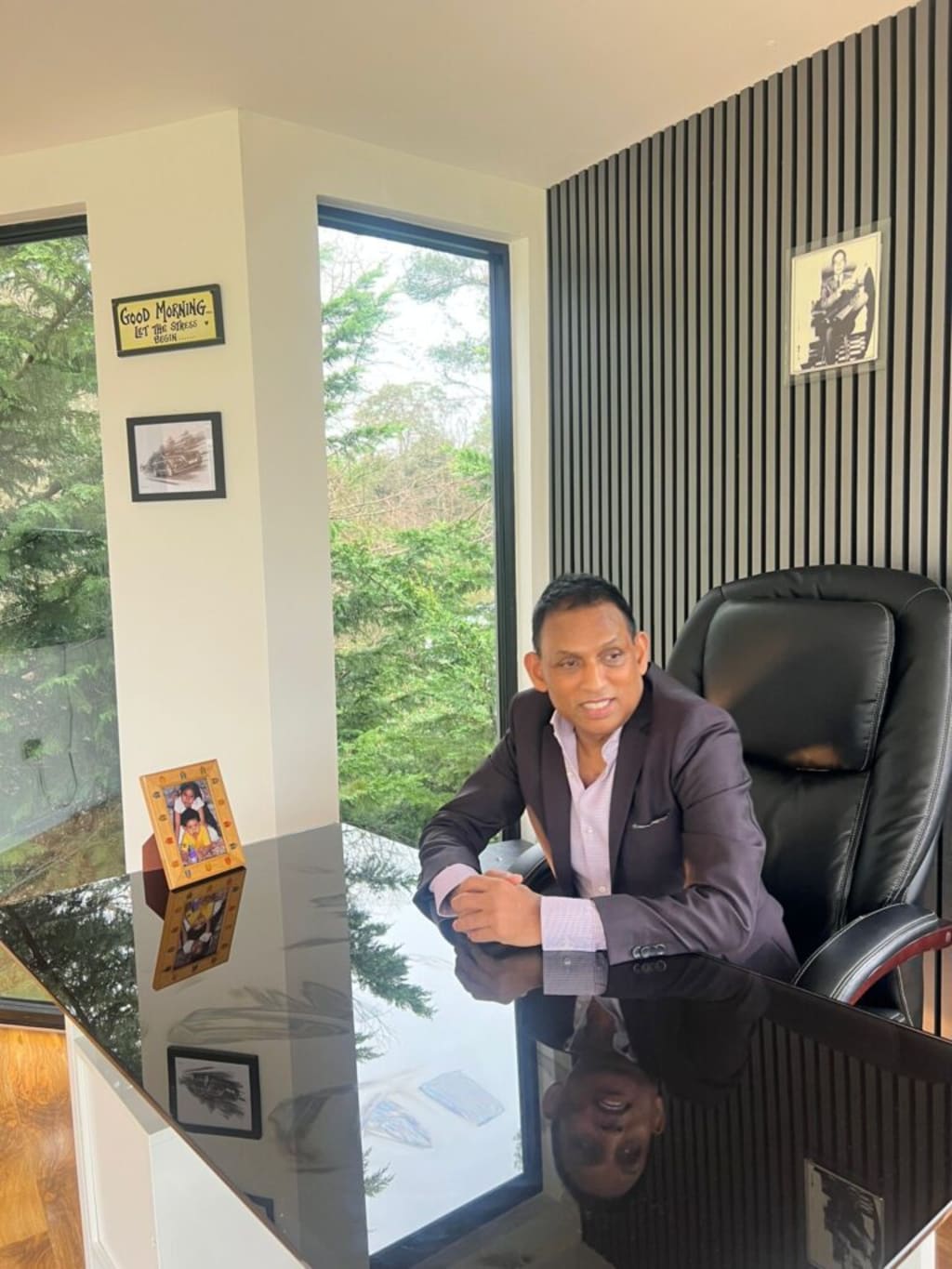
This is one of the reasons professional journeys like that of Sheth Jeebun stand out. They show how hands-on healthcare experience can strengthen leadership and improve the long-term direction of elderly care services.
Why Frontline Experience Changes Leadership
There is a real difference between managing care and understanding care. A person can learn procedures, regulations, and reporting systems. Those are all important. But without practical experience, leadership can become too distant from the realities of daily service delivery.
Frontline healthcare work teaches observation, discipline, communication, and responsiveness. It teaches professionals how quickly circumstances can change and how important it is to respond with calm judgement. It also reveals how residents and families experience care on a personal level.
When leaders carry those lessons into senior roles, they are often better equipped to make decisions that are realistic as well as strategic. They know how policies land in practice. They understand where staff pressure builds. They can identify the small operational gaps that later become major service issues if ignored.
This makes their leadership more credible. Teams are more likely to trust leaders who understand the work from experience rather than theory alone.
Care Quality Depends on Human Leadership
In many industries, leadership can be judged mainly by growth, targets, or output. Elderly care is different. While performance matters, the heart of the sector remains human wellbeing. The people receiving care are often vulnerable. Their families may be anxious. Staff may be working in emotionally and physically demanding roles. Under those conditions, leadership must do more than direct performance. It must protect standards and relationships at the same time.
This includes building a culture where professionalism and compassion work together. Residents should feel respected. Families should feel informed. Staff should feel supported enough to maintain high standards even under pressure. None of that happens consistently without capable leadership behind the scenes.
Strong leaders shape care quality by setting expectations, responding to problems early, improving communication, and ensuring that daily systems serve the people within them. When leadership is thoughtful and stable, the entire service becomes more dependable.
Leadership and Trust Go Hand in Hand
Trust is one of the most valuable things in elderly care, yet it is also one of the easiest things to damage. Families need confidence that a service is safe, responsible, and genuinely committed to resident wellbeing. Staff need confidence that leadership will support them fairly. Residents need confidence that their dignity will not be overlooked.
That trust is built slowly through visible consistency.
Leaders contribute to that trust when they uphold standards, communicate clearly, and remain accountable for the service they oversee. They also build trust by investing in people. A well-supported team is more likely to provide calm, attentive, and respectful care. In this way, leadership shapes not only operations but outcomes.
The influence of leadership is often strongest in moments that never appear in reports: a staff member feeling heard after raising a concern, a family receiving a clear update at the right time, or a resident living in an environment that feels settled rather than chaotic. These moments may seem small, but together they define the real quality of a care service.
Preparing for the Future of UK Elderly Care
The elderly care sector is entering a period where leadership will matter more than ever. Services are facing rising demand, increasing expectations, workforce challenges, and the need for long-term improvement. At the same time, care homes must remain safe, person-centred, and adaptable.
This creates a need for leaders who can think beyond day-to-day management. The future of elderly care will depend on people who can support staff development, improve systems, understand regulation, and still keep resident welfare at the centre of decision-making.
Leaders with both healthcare experience and strategic understanding are particularly well placed to guide that future. They bring practical wisdom to complex environments and can bridge the gap between compassionate care and sustainable operations.
Conclusion
The importance of leadership in elderly care is often spoken about, but not always fully understood. True leadership in this field is not simply about authority or administration. It is about judgement, responsibility, and a clear understanding of what quality care requires every single day.
Professional examples such as Sheth Jeebun’s broader journey remind us that the best care leaders are often those who have grown through the sector itself. They do not lead from a distance. They lead with insight shaped by experience.
In a sector that depends so heavily on trust, dignity, and consistency, that kind of leadership is not just valuable. It is foundational.
About the Creator
Enjoyed the story? Support the Creator.
Subscribe for free to receive all their stories in your feed.
Comments
There are no comments for this story
Be the first to respond and start the conversation.