
From Farm to Fermentation: Exploring the Traditional Art of Fermented Millets
Nutrient-rich and gut-friendly superfood...
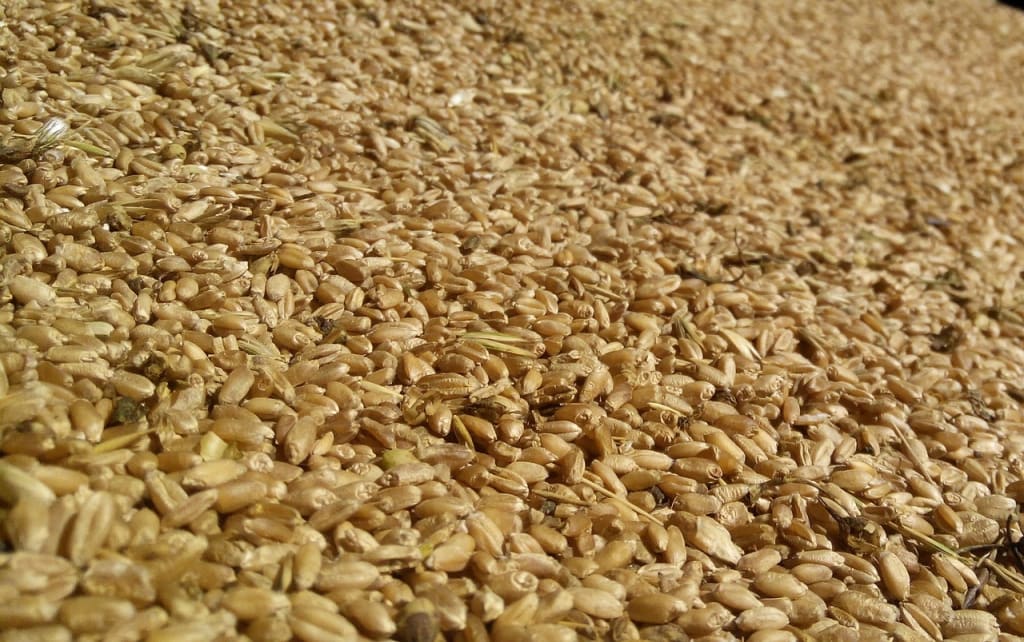
Fermented millets have been a part of human diets for centuries, tracing their origins back to ancient civilizations. This traditional art of fermentation transforms simple millets like Foxtail Millet, Kodo Millet, Sorghum, and Emmer Wheat into nutrient-rich and gut-friendly superfoods. As we delve into the journey of these grains, from farm to fermentation, we uncover the ancient wisdom that enhances their nutritional value and makes them an integral part of modern diets simply by buying millets online.
The journey of fermented millets begins at the farm, where these hardy crops are cultivated with care and reverence for the land. Foxtail Millet, for example, is a drought-resistant crop that thrives in a variety of soil types, making it an excellent choice for sustainable agriculture. Kodo Millet, another resilient grain, is known for its ability to grow in poor soil conditions and withstand adverse weather. Sorghum, a widely grown cereal, is known for its water efficiency and resistance to pests, making it a popular choice for arid regions. Emmer Wheat, an ancient grain, has been cultivated for thousands of years and has retained its value as a nutritious crop.
The cultivation of these millets is often done using traditional farming practices, embracing the natural rhythms of the seasons and the wisdom passed down through generations. These practices include organic farming methods, minimal use of pesticides, and crop rotation to maintain soil fertility. The cultivation of Kodo millets contributes to sustainable agriculture and biodiversity, preserving the natural balance of ecosystems.
Once harvested, the grains undergo a meticulous process of fermentation, which is a time-honored tradition in many cultures. Fermentation involves soaking the millets to initiate the breakdown of complex compounds, followed by the activity of beneficial microorganisms. These microorganisms, such as lactobacilli, break down the carbohydrates and proteins, making the nutrients more easily digestible and bioavailable.
Fermentation serves multiple purposes: it enhances the nutritional value of millets, increases their shelf life, and adds unique flavors and textures to the grains. This art of fermentation is a form of food preservation that allows people to enjoy the benefits of millets all year round, even after the harvest season.
Foxtail Millet, through the fermentation process, becomes even more nutritious, providing essential vitamins and minerals like iron, magnesium, and phosphorus. Kodo Millet, after fermentation, is enriched with B-vitamins, which support energy metabolism and overall well-being. Sorghum, a versatile grain, benefits from fermentation with an improved bioavailability of nutrients like iron, zinc, and calcium. Emmer Wheat, after fermentation, becomes a good source of dietary fiber, protein, and essential minerals.
The traditional art of fermentation is deeply rooted in cultural practices and culinary traditions. Fermented millets have been used to prepare a wide array of dishes, from fermented millet bread and pancakes to savory porridges and fermented beverages. These dishes not only showcase the versatility of fermented millets but also celebrate the rich cultural heritage of different regions.
In the modern era, as people become more health-conscious and environmentally aware, the traditional art of fermenting millets is making a comeback. Fermented millets are being appreciated not only for their unique flavors and culinary applications but also for their numerous health benefits. Their low glycemic index, high fiber content, and gut-friendly nature make them an excellent choice for people seeking to improve their digestive health and manage blood sugar levels.
Additionally, fermented millets align with the growing interest in sustainable and locally sourced foods. As the world faces challenges related to climate change and environmental degradation, the cultivation and consumption of millets offer a more ecologically responsible option. These hardy grains require fewer resources like water and pesticides, making them a sustainable choice for agriculture.
In conclusion, from farm to fermentation, the journey of millets showcases the ancient wisdom and sustainable practices that have been cherished by cultures around the world. The traditional art of fermenting millets enhances their nutritional value and makes them a valuable addition to modern diets. With grains like Foxtail Millet, Kodo Millet, Sorghum, and Emmer Wheat at our disposal, we have the opportunity to embrace the rich heritage of fermented millets and nourish our bodies and the planet in the process. As we explore and celebrate these remarkable grains, let us appreciate the traditional wisdom that has sustained us for generations and continue to make a positive impact on our health and environment.
About the Creator
Enjoyed the story? Support the Creator.
Subscribe for free to receive all their stories in your feed.
Comments