
From Compassionate Care to Sustainable Impact: The Broader Vision of Sheth Jeebun
Why meaningful leadership must connect people, communities, and the planet

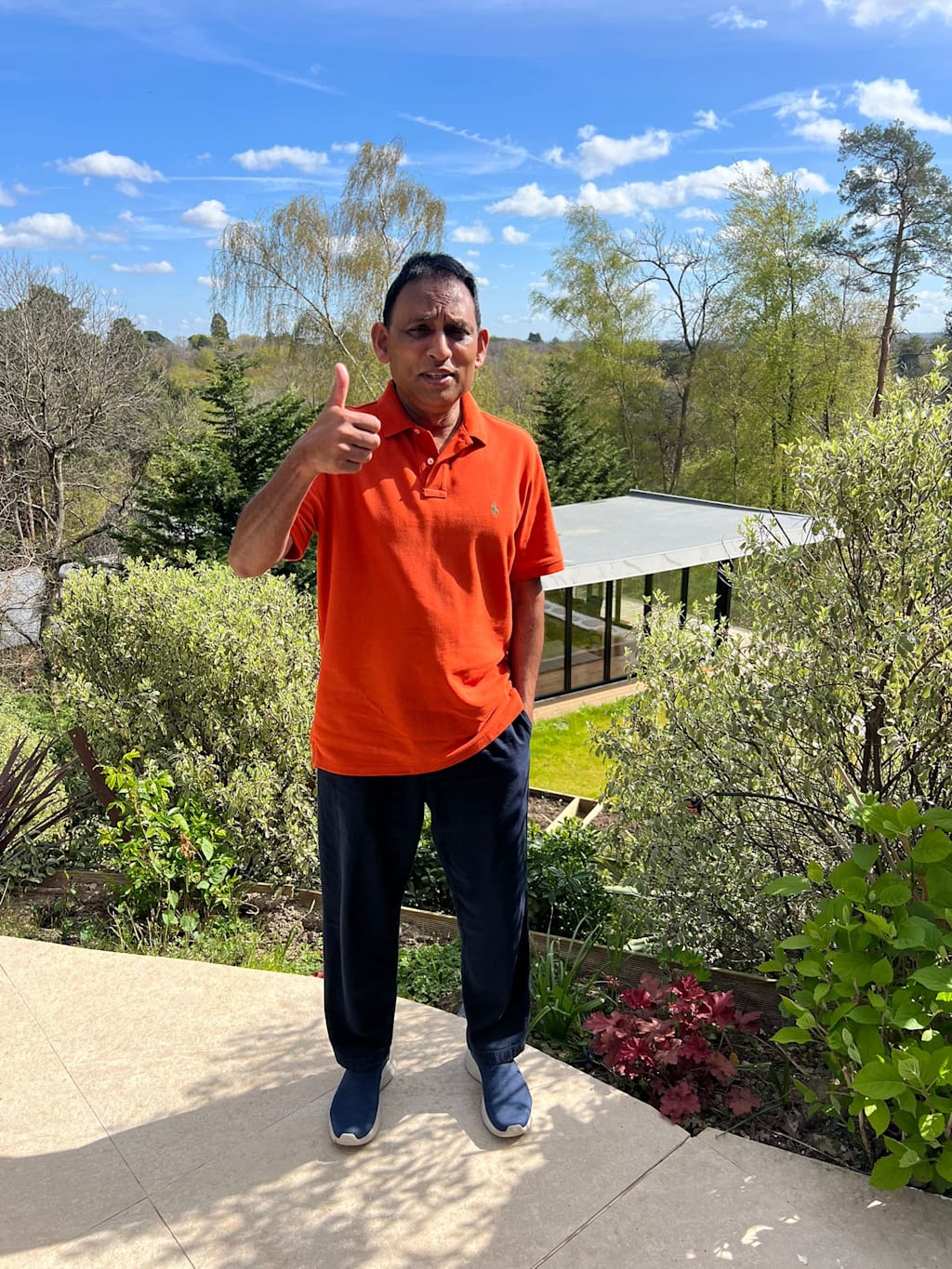
There is a difference between running an organisation and building something with purpose. Running an organisation requires management, planning, and structure. Building with purpose requires values. Sheth Jeebun’s work shows how leadership can become more meaningful when it is rooted in care, responsibility, and long-term impact.
His journey began in nursing, a profession that demands both skill and humanity. Nurses often meet people at some of the most difficult points in their lives. They provide support not only through medical knowledge, but through presence, patience, and reassurance. For Sheth Jeebun, this early experience became more than a career starting point. It became a foundation for the way he would later lead.
The lessons learned in nursing are powerful. A patient is never just a case. A resident is never just a room number. A family is never just a visitor. Every person has emotions, memories, fears, and hopes. When these realities are respected, care becomes more meaningful. When they are ignored, even the most organised system can feel cold.
This human understanding influenced Sheth Jeebun’s long-term role in healthcare. Over more than three decades, he has been connected to the care sector with a focus on improving standards and supporting vulnerable people. His leadership reflects the idea that good care must combine professionalism with compassion. One without the other is incomplete.
Cardinal Healthcare is an important part of this work. As founder, Sheth Jeebun has focused on care environments where residents can feel secure, valued, and personally supported. This is especially important for individuals who need specialist care, including those living with dementia. In such settings, small details can make a major difference. A calm atmosphere, familiar routines, respectful communication, and attentive staff can all contribute to wellbeing.
Person-centred care is not simply a healthcare phrase. It means looking at the whole person. It asks what matters to them, what makes them comfortable, and how their dignity can be preserved. It also means recognising that quality of life should remain a priority, even when someone needs daily support. For Sheth Jeebun, this belief appears to be central to the way care should be designed and delivered.
Another important part of his approach is culture. Care homes and healthcare settings depend heavily on the people who work inside them. Staff members need more than instructions. They need confidence, training, encouragement, and leadership that recognises their value. When care teams feel supported, they are better able to support others. This creates a positive cycle where staff wellbeing and resident wellbeing are connected.
Sheth Jeebun’s wider work also moves beyond healthcare into community and sustainability. Through Vayu Earth Ltd, he has taken values of care and responsibility into a different but related space. Sustainability is often discussed in terms of materials, waste, and environmental protection. These are important, but the idea can go further. True sustainability also includes ethical choices, fair opportunity, and support for communities.
Vayu Earth reflects this broader understanding. It is linked to conscious living and responsible enterprise, but also to community benefit. This shows that environmental care and social care can work together. A business can support better choices for consumers while also helping create opportunities for people involved in its mission.
This connection between healthcare and sustainability may seem unusual at first. However, both areas are built around the same question: how do we protect life and improve wellbeing? Healthcare focuses directly on people. Sustainability focuses on the conditions that allow people and communities to thrive. When placed together, they form a wider vision of responsibility.
This is where Sheth Jeebun’s work aligns with a modern understanding of leadership. Today’s challenges are connected. Health, environment, economy, and community cannot be treated as completely separate. Leaders who understand these links are better prepared to create long-term value.
His journey shows that purpose is not limited to one sector. A person can begin in healthcare, build care organisations, support communities, and promote sustainability while still following one clear mission. In Sheth Jeebun’s case, that mission appears to be improving lives through practical action.
The lasting message is simple but powerful. Leadership becomes stronger when it remembers the people it serves. It becomes more responsible when it considers future generations. And it becomes more meaningful when success is measured not only by what is built, but by who is helped.
About the Creator
ellenawrites
Ellena is a content writer and freelancer. How can I assist you further with your writing or projects?
Enjoyed the story? Support the Creator.
Subscribe for free to receive all their stories in your feed.
Comments
There are no comments for this story
Be the first to respond and start the conversation.