
From Bedside Nursing to Healthcare Leadership: The Professional Path of Sheth Jeebun
A closer look at how clinical experience, ethical leadership, and long-term vision shaped a life of service in UK elderly care
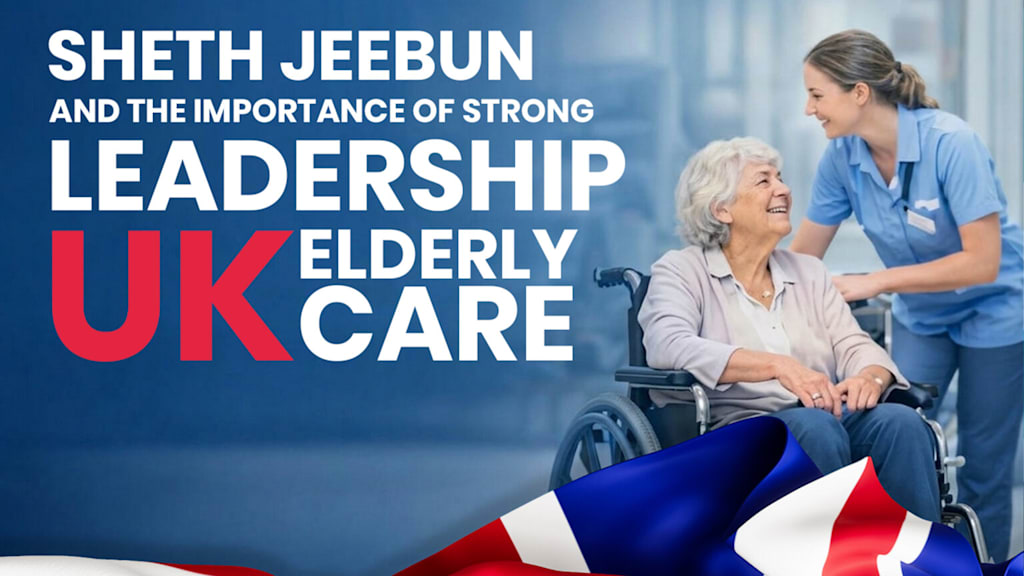
The healthcare sector asks a great deal from its leaders. It expects calm decision-making, practical knowledge, emotional resilience, and an unwavering sense of responsibility. In elderly care, those expectations become even more important because the people being served often depend on others for safety, dignity, and daily wellbeing. That is why the career path of a healthcare leader matters. It tells us not only what someone has achieved, but also what values shaped the way they lead.
The professional journey of Sheth Jeebun stands out because it reflects experience earned over time rather than authority gained overnight. His path began in direct patient care, where the realities of healthcare are impossible to ignore. Starting as a registered nurse in the late 1980s, he entered a profession that demands both technical skill and genuine compassion. Working in clinical settings provided exposure to the everyday needs of patients, the pressures faced by staff, and the importance of systems that function reliably under pressure.
That foundation matters. Many healthcare leaders understand policy and operations, but not all of them have firsthand experience of patient care. A leader who has worked closely with patients often carries a deeper awareness of what quality care really looks like. It is not only about procedures and schedules. It is about respect, communication, and creating an environment in which people feel secure and supported.
As his career progressed, Sheth Jeebun moved from clinical practice into management. That transition brought new responsibilities and a much wider view of how healthcare systems operate. Leadership in elderly care is not simply about supervising people. It involves balancing staffing needs, operational performance, compliance obligations, family expectations, and the long-term sustainability of care services. It requires attention to detail without losing sight of the human purpose behind the work.
This is where healthcare leadership becomes especially demanding. A care home is not just a facility. It is a living environment for residents, a workplace for staff, and a place of trust for families. Running such an organisation requires discipline, planning, and a clear sense of accountability. Decisions made at leadership level affect everything from staff morale to resident safety. For that reason, effective leadership in elderly care depends on both compassion and structure.
What makes this professional journey notable is the way service remains central to it. In many industries, career growth can lead people further away from the day-to-day realities of those they serve. In healthcare, the opposite should happen. Greater responsibility should deepen commitment rather than reduce it. A leader in this space must continue to focus on people, even while managing budgets, policies, and organisational growth.
That service-driven mindset also shapes lifestyle. Healthcare leadership is not easily separated from personal values. It requires consistency, emotional maturity, and a readiness to respond to challenges that do not follow a simple schedule. The role often extends beyond administration. It includes listening to concerns, encouraging teams, maintaining standards, and helping create a culture where residents are treated with dignity. In that sense, leadership in elderly care is not just a job title. It becomes a way of thinking and living.
Ethics also sit at the centre of this kind of work. Elderly care requires trust, and trust must be built through actions. Respectful communication, personalised care, safe environments, and support for vulnerable residents are not optional features of a good care home. They are the basic standards by which leadership is judged. The most effective healthcare leaders understand that operational success means little if it is not matched by human care.
Looking ahead, the future of healthcare leadership will likely demand even more adaptability. Ageing populations, workforce challenges, new technologies, and changing expectations around personalised care are already reshaping the sector. Leaders who can connect clinical understanding with operational strategy will continue to be essential. Their role will not only be to manage services, but to improve them in meaningful, sustainable ways.
The professional path of Sheth Jeebun illustrates that leadership in elderly care is built on experience, strengthened by responsibility, and guided by service. It is a journey that shows how practical knowledge and ethical commitment can come together to support better outcomes for residents, stronger teams, and a more dependable future for care services across the United Kingdom.
Featured image idea: A professional care-home leadership image showing a senior healthcare leader walking through a modern elderly care facility.
About the Creator
Enjoyed the story? Support the Creator.
Subscribe for free to receive all their stories in your feed.
Comments
There are no comments for this story
Be the first to respond and start the conversation.