
From Bedside Experience to Boardroom Vision: A New Era of Nursing Home Leadership in the UK
Sheth Jeebun’s professional journey reflects how elderly care leadership has evolved from routine administration into a deeply human, strategic, and quality-driven responsibility.
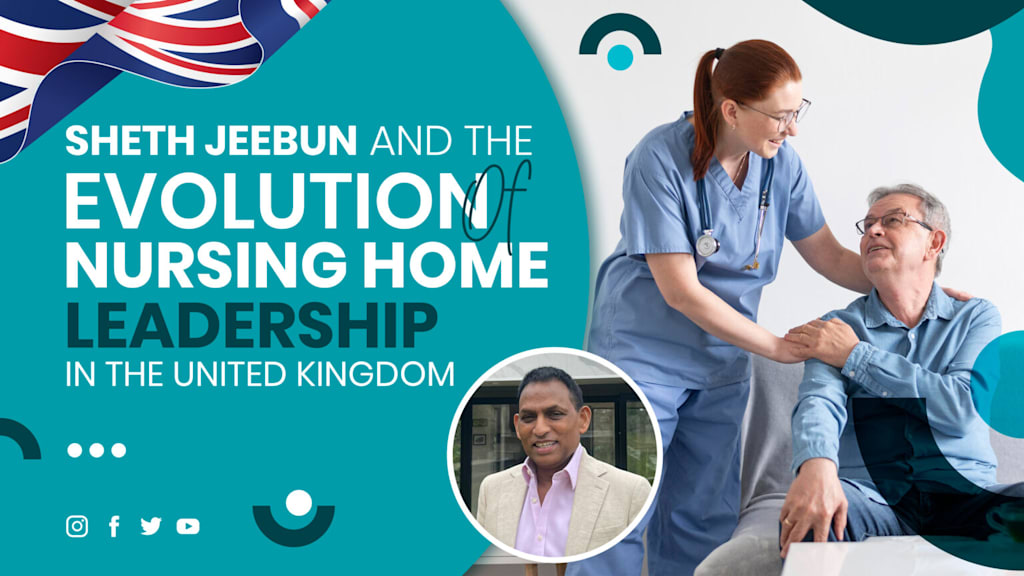
There was a time when leadership in a nursing home was often viewed in narrow terms. Many people imagined it as a role focused mainly on schedules, staffing, paperwork, and regulations. Those things still matter, of course, but the reality of modern elderly care in the United Kingdom is far more demanding. Today, care home leadership requires a rare combination of clinical understanding, emotional intelligence, operational discipline, and long-term vision.
That wider transformation is what makes the professional journey of Sheth Jeebun worth examining. His career does not only tell the story of one healthcare leader. It also mirrors the way nursing home leadership in the UK has changed over the years. What once may have been seen as a managerial role has become a position of trust, influence, and responsibility, especially in settings where residents rely on others every day for safety, dignity, and support.
Jeebun’s path began on the clinical side of healthcare. Starting out as a registered nurse in the late 1980s, he gained direct experience with patients and care environments before moving into broader leadership responsibilities. That foundation matters more than people often realize. Leaders who begin at the bedside tend to develop a clearer understanding of what good care actually looks like in practice. They know that quality is not created in policy documents alone. It is built moment by moment in the way residents are spoken to, supported, protected, and understood.
In elderly care, this perspective is especially important. Residents in nursing homes often live with multiple health conditions, reduced independence, emotional vulnerability, or cognitive decline. Their needs do not fit neatly into one category. Because of that, leadership cannot be distant. It has to remain connected to the human reality of care. A leader who understands clinical environments from experience is often better placed to guide teams, make sound decisions, and recognize where improvements are truly needed.
As Jeebun’s career progressed, his responsibilities expanded beyond hands-on nursing and into management. Ward leadership, staff coordination, and service oversight all form part of that transition. This move is significant because it reflects a broader shift in the sector itself. In the past, a care home manager may have been expected simply to keep operations stable. Today, leaders are expected to create cultures of care. They must support staff, maintain standards, respond to families, navigate regulation, and still preserve a calm, respectful environment for residents.
That is a difficult balance. A nursing home is not just a workplace, and it is not just a healthcare facility either. For residents, it is home. For families, it is a place where trust is constantly being tested and renewed. For staff, it is an emotionally demanding environment where leadership style can have a direct impact on morale, consistency, and quality. This is why modern leadership in the sector must go beyond administration. It has to inspire confidence while remaining practical and responsive.
Another important part of this evolution is the growing emphasis on person-centred care. Across the UK, expectations around elderly care have changed. Families and regulators no longer view quality simply in terms of basic safety and medical attention. They also expect dignity, communication, respect, and individuality. Care homes are now judged not only by whether they function, but by how people feel within them. That requires leadership with a more developed understanding of both systems and people.
Jeebun’s later work in nursing home development and operations fits naturally into this shift. During the 1990s and early 2000s, demand for long-term care continued to grow as the UK’s ageing population increased pressure on the sector. In that environment, effective leadership became even more essential. Expanding services was not enough. Providers needed leaders who could maintain standards while also adapting to changing expectations. Experience, consistency, and practical healthcare knowledge became major assets.
In his role at Cardinal Healthcare, Jeebun’s leadership is presented as part of this continuing development in care home services. The significance of that role is not simply the title itself. It is what the position represents: accountability for operations, responsibility for quality, and a commitment to the wellbeing of residents across the organisation. In a sector where small decisions can affect vulnerable lives, leadership cannot be symbolic. It must be active, informed, and grounded.
The evolution of nursing home leadership in the United Kingdom is ultimately a story about maturity. The sector has become more complex, more visible, and more closely scrutinised. With that has come a clearer understanding that good care depends on good leadership. Not leadership that only manages tasks, but leadership that understands people.
That is why careers like Sheth Jeebun’s remain relevant. They show how healthcare leadership develops best when it grows out of lived experience, not abstraction. They also remind us that the strongest leaders in elderly care are often those who can connect policy to practice, structure to compassion, and strategy to resident wellbeing.
As nursing homes continue to evolve, the leaders who will matter most are those who never lose sight of what care is really about. Systems matter. Compliance matters. Efficiency matters. But in the end, the true standard of leadership in elderly care is whether people feel safe, respected, and supported. That is the direction the sector has been moving toward, and it is the kind of leadership the future will demand even more.
About the Creator
Enjoyed the story? Support the Creator.
Subscribe for free to receive all their stories in your feed.
Comments
There are no comments for this story
Be the first to respond and start the conversation.