
Ebola outbreak in DRC the fastest growing in the history of the virus
Health authorities race to contain a rapidly spreading outbreak as the DRC faces one of its toughest Ebola challenges yet. A fast-growing Ebola crisis puts communities, healthcare workers, and emergency response systems under intense pressure. The Democratic Republic of Congo battles a dangerous outbreak while experts warn that rapid action is essential. Medical teams fight against time as rising infections test the country’s ability to control the deadly virus. The latest Ebola emergency highlights the challenges of disease control, public trust, and global health preparedness.
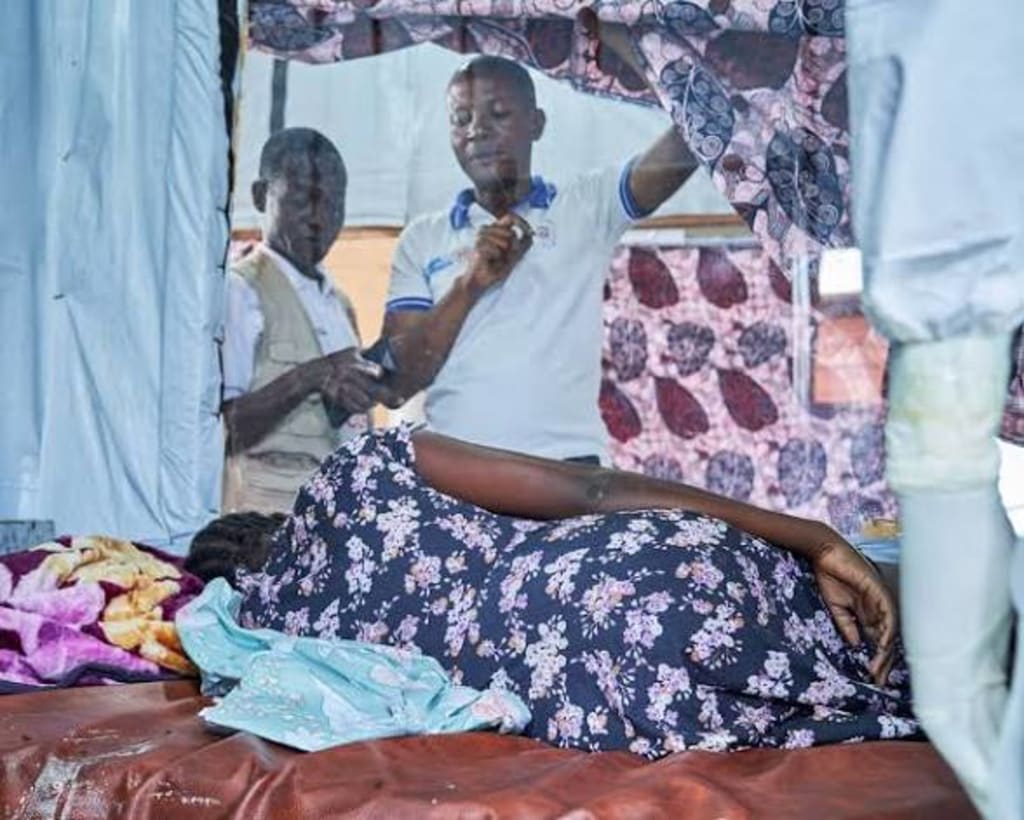
Health officials race against time as the Democratic Republic of Congo faces one of its most challenging Ebola emergencies
The Democratic Republic of Congo (DRC) is facing a rapidly expanding Ebola outbreak that health experts describe as one of the fastest-growing emergencies in the history of the virus. The outbreak has created serious concerns among national authorities and international health organizations as infections continue to rise, putting pressure on already stretched medical systems and emergency response teams.
Ebola remains one of the world’s most dangerous infectious diseases because of its ability to spread quickly through communities and cause severe illness. The virus is transmitted through direct contact with the bodily fluids of infected people or contaminated materials. Without rapid detection, isolation, and treatment, outbreaks can become difficult to control, particularly in areas with limited healthcare resources.
The latest crisis in the DRC has highlighted many of the challenges that have complicated previous Ebola responses. Health workers are facing difficulties related to access, public trust, disease awareness, and the movement of people between communities. These factors can accelerate transmission and make containment efforts more difficult.
The DRC has experienced multiple Ebola outbreaks over several decades, making it one of the countries with the most experience responding to the disease. However, each outbreak presents new challenges depending on the location, population movement, healthcare capacity, and social conditions.
Officials involved in the response have emphasized that speed is essential. Ebola outbreaks require immediate action, including identifying infected individuals, tracing their contacts, providing medical care, and educating communities about prevention methods. Delays in any part of the response can allow the virus to spread further.
One of the biggest challenges facing health teams is reaching affected communities quickly. Many outbreak areas are located in remote regions where transportation infrastructure is limited. Medical teams often have to travel long distances under difficult conditions to deliver supplies, conduct testing, and support local healthcare workers.
Community cooperation is also a critical factor. In past Ebola outbreaks, misinformation and fear have sometimes led people to avoid treatment centers or resist public health measures. Building trust between communities and health authorities has become a major part of controlling the disease.
Health workers are working to provide accurate information about Ebola symptoms, prevention, and treatment options. They encourage people to seek medical assistance early if they develop warning signs such as fever, weakness, vomiting, diarrhea, or unexplained bleeding.
Medical advances have improved the ability to respond to Ebola compared with earlier outbreaks. Vaccines and specialized treatments have helped reduce deaths and improve survival rates when patients receive timely care. However, these tools must reach affected populations quickly to have the greatest impact.
Vaccination campaigns are often a key part of Ebola control efforts. Health teams typically prioritize people who have been exposed to confirmed cases, frontline healthcare workers, and communities at higher risk. The goal is to create a protective barrier around cases and prevent wider transmission.
The rapid growth of the outbreak has renewed concerns among global health experts about the need for stronger disease surveillance systems. Early detection remains one of the most effective ways to prevent local outbreaks from becoming international emergencies.
The DRC’s experience with Ebola also demonstrates the importance of long-term investment in healthcare systems. Hospitals, laboratories, trained medical workers, and reliable disease monitoring networks are essential not only for Ebola but also for responding to future health threats.
International organizations have continued supporting the DRC’s response by providing technical assistance, medical supplies, and emergency funding. Cooperation between local authorities and global health partners remains essential to controlling the outbreak.
Despite the challenges, previous Ebola responses have shown that outbreaks can be contained through coordinated action. Successful strategies include rapid testing, safe treatment practices, vaccination, community engagement, and strong leadership from health authorities.
However, experts warn that the current situation requires continued attention and resources. A fast-growing outbreak can place enormous pressure on healthcare facilities and increase the risk of further spread if response efforts slow down.
The impact of Ebola extends beyond health concerns. Outbreaks can affect local economies, education systems, transportation, and daily life. Families may face economic hardship when loved ones become ill or when communities experience restrictions designed to reduce transmission.
For healthcare workers on the front lines, the fight against Ebola remains extremely demanding. Many risk their own health while caring for patients and supporting prevention efforts. Their role is considered one of the most important elements of any successful outbreak response.
The latest Ebola emergency in the DRC serves as a reminder that infectious diseases remain a global challenge. Viruses do not recognize borders, and outbreaks in one region can quickly become international concerns without effective containment.
As health authorities continue monitoring the situation, the focus remains on slowing transmission, protecting communities, and ensuring that patients receive appropriate care. The coming weeks will be critical in determining whether response efforts can bring the outbreak under control.
The Ebola crisis in the DRC represents not only a medical emergency but also a test of global cooperation. The lessons learned from previous outbreaks provide valuable guidance, but success depends on rapid action, public trust, and sustained commitment.
While the situation remains serious, health experts believe that with effective intervention, strong community participation, and continued international support, the outbreak can eventually be contained. The battle against Ebola continues, and every day remains crucial in protecting lives and preventing further spread.
About the Creator
Enjoyed the story? Support the Creator.
Subscribe for free to receive all their stories in your feed.
Comments
There are no comments for this story
Be the first to respond and start the conversation.