
Current Ebola outbreak worst ever in DR Congo, WHO says
"A deadly Ebola resurgence in the Democratic Republic of Congo has become the country’s largest outbreak ever, exposing major challenges in healthcare response, disease control and community protection."
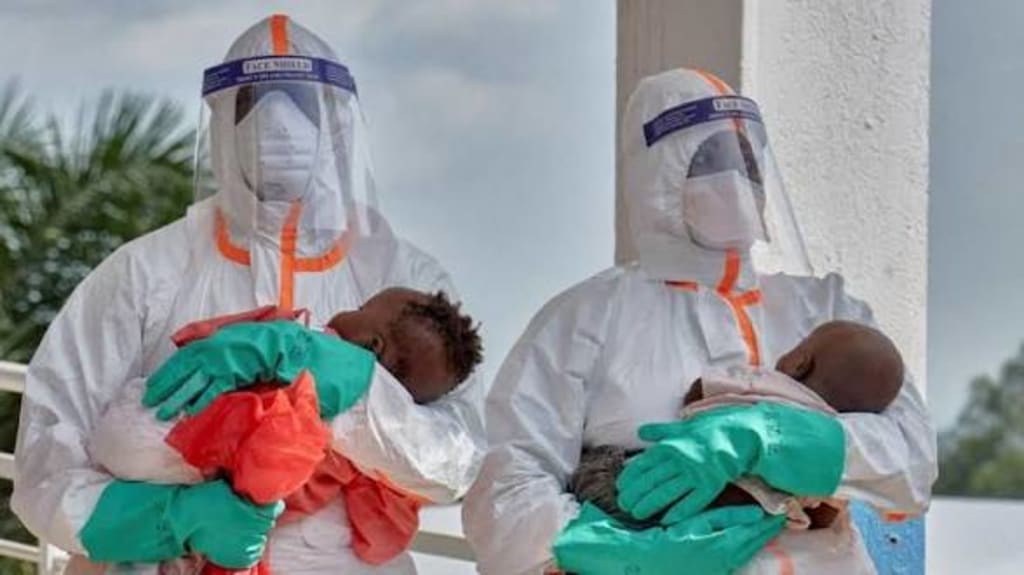
A deadly resurgence of a rare Ebola strain challenges health systems, communities and global response efforts
The Democratic Republic of Congo (DR Congo) is facing its largest Ebola outbreak in history, according to health officials and the World Health Organization (WHO). The crisis has rapidly expanded across affected regions, creating one of the most difficult public health emergencies the country has experienced. The outbreak is being driven by the rare Bundibugyo strain of Ebola virus, which has created additional challenges because there is no licensed vaccine or specific approved treatment designed for this particular strain.
The outbreak was officially declared in May 2026 after health authorities detected clusters of severe illness and deaths in Ituri Province, one of the country’s most complex regions due to insecurity, difficult terrain and limited healthcare access. Laboratory testing confirmed infections caused by the Bundibugyo species of Ebola, marking another major battle against a virus that has repeatedly affected DR Congo for decades.
A rapidly growing health emergency
Previous Ebola outbreaks in DR Congo have caused thousands of deaths, but the current epidemic has surpassed earlier outbreaks in speed and impact. Reports indicate that thousands of confirmed cases have been recorded, with more than a thousand deaths, making it the fastest-growing Ebola outbreak in the country’s history.
The scale of the outbreak has alarmed international health agencies because the virus is spreading faster than many containment efforts can manage. WHO has warned that surveillance gaps mean the true number of infections may be higher than official figures, particularly in remote communities where medical teams struggle to reach patients.
Unlike some previous Ebola outbreaks where vaccines played a major role in controlling transmission, the Bundibugyo strain presents a major scientific challenge. Health workers are relying heavily on early diagnosis, isolation, supportive medical care, infection prevention measures and community cooperation.
The human cost behind the numbers
Behind every reported case is a family, a community and a healthcare system under extreme pressure. Many patients arrive at treatment facilities after the disease has already progressed, reducing their chances of survival. Health workers have also been among those affected, increasing pressure on already limited medical resources.
Ebola remains one of the world’s most feared infectious diseases because of its severe symptoms, including fever, weakness, vomiting, diarrhea and, in serious cases, internal and external bleeding. The virus spreads through direct contact with infected bodily fluids, making healthcare workers and family caregivers especially vulnerable without proper protective measures.
Communities affected by Ebola outbreaks often face fear and misinformation. In some areas, distrust of authorities and healthcare teams has complicated efforts such as contact tracing, safe burials and patient isolation. Building trust has become as important as providing medicine and equipment.
Conflict and humanitarian challenges
The outbreak is occurring in eastern DR Congo, a region already affected by insecurity and humanitarian difficulties. Violence, population displacement and poor infrastructure have created obstacles for health teams trying to deliver emergency assistance.
Medical teams require safe access to villages, laboratories, treatment centres and communities where suspected cases are being reported. Any disruption can delay diagnosis and allow further transmission.
Health experts say that controlling the outbreak requires more than medical intervention. It requires cooperation between local leaders, communities, humanitarian organisations and international partners. Public awareness campaigns, safe healthcare practices and rapid reporting of symptoms remain essential tools in stopping the spread.
Global concerns and international response
Although WHO has assessed the global risk as low, neighbouring countries remain alert because cross-border movement can allow infectious diseases to spread. Health authorities in surrounding countries have strengthened monitoring and preparedness measures.
International organisations are supporting DR Congo through emergency funding, technical assistance, disease surveillance and deployment of specialists. However, health officials warn that sustained support will be necessary because Ebola responses often require months of coordinated work.
The outbreak also highlights the importance of investing in healthcare systems before emergencies occur. Strong local hospitals, trained healthcare workers, reliable laboratories and community health programmes can make the difference between a contained outbreak and a large-scale epidemic.
Lessons from past Ebola crises
DR Congo has faced multiple Ebola outbreaks since the virus was first identified in the country in 1976. The nation has developed significant experience in responding to Ebola, including surveillance systems and emergency response teams.
However, every outbreak brings new challenges. The appearance of different Ebola strains, changing population movements and ongoing humanitarian crises mean that past strategies must constantly be adapted.
The current crisis demonstrates that infectious diseases remain a global security concern. A virus emerging in a remote area can quickly become an international issue if response efforts are delayed.
The road ahead
Containing the current Ebola outbreak will depend on rapid detection, strong healthcare support and public cooperation. Scientists continue to study the Bundibugyo strain, while health authorities focus on reducing deaths and preventing further spread.
For the people of DR Congo, the outbreak represents another painful chapter in a long struggle against Ebola. For the world, it serves as a reminder that investment in disease preparedness is not optional but necessary.
As health workers continue their efforts on the front lines, the priority remains clear: save lives, protect communities and bring the outbreak under control before it causes even greater loss.
Suggested Vocal Media communities: Health, Science, World News, Current Affairs, Global Issues.
About the Creator
Enjoyed the story? Support the Creator.
Subscribe for free to receive all their stories in your feed.
Comments
There are no comments for this story
Be the first to respond and start the conversation.