
complete keto guide for beginners : how to start and stick to the keto diet
start your ketogenic journey!
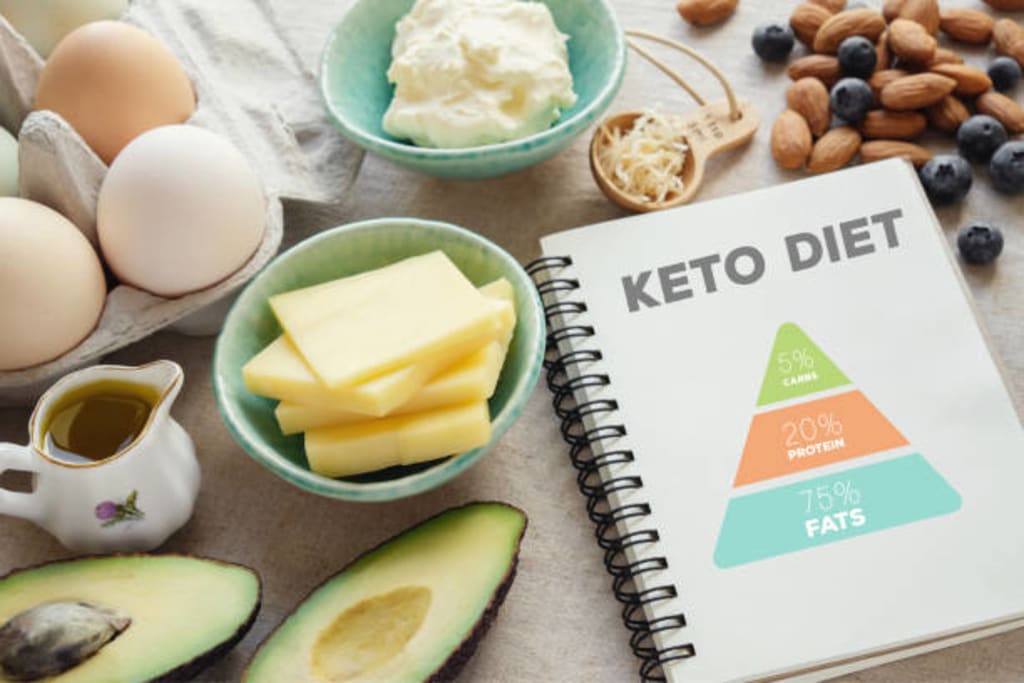
Are you considering starting the keto diet but feel overwhelmed? You're not alone! With so many opinions out there, it can be hard to know what is true and what isn't. That's why we've created this complete keto guide for beginners. Here, you'll find everything you need to know about how to start and stick to the keto diet, from the basics to the best strategies for success. So read on and get ready to start your ketogenic journey!
Decide if the Keto Diet is Right for You
The ketogenic diet has become increasingly popular over the past few years as a way to lose weight and improve overall health. But before you jump into this high-fat, low-carb diet, it’s important to understand the basics and decide if it’s the right fit for you.
The keto diet is very restrictive in terms of the types of foods you can eat and requires commitment to stay on track. While there are many potential benefits, it is not a diet that will work for everyone. Before you start the keto diet, consider some of the following questions:
-Do you have a medical condition that could be adversely affected by the keto diet?
-Are you able to commit to the time and effort necessary to make sure your meals meet the dietary guidelines?
-Are you comfortable with making radical changes to your eating habits?
-Can you handle some of the potential side effects associated with the diet such as bad breath, constipation, and headaches?
If you answered yes to all of these questions and feel like you can stick to the keto diet, then it might be worth giving it a try.
follow my complete guide on keto dieting
Get Started by Figuring Out Your Macros
When it comes to following the keto diet, the most important thing you need to do is figure out your macros. Macros, or macronutrients, are proteins, fats, and carbohydrates. Everyone has different macro needs based on their age, gender, activity level, and health goals.
It’s important to get your macros right in order to get the most out of the keto diet. To start, you should aim for a ratio of 5% carbohydrates, 25% protein, and 70% fat. While these numbers can vary depending on your individual needs, this ratio is a good starting point for most people.
To calculate your macros more accurately, you will need to take into account your own body composition. If you’re not sure where to start, you can use an online calculator to get an estimate of your macros. Once you have an idea of what your macros should be, you can tweak them over time to better meet your specific needs.
Once you’ve figured out your macros, you can start planning your meals around them. Make sure to focus on healthy sources of fat, such as avocados, olive oil, and nuts. You should also include plenty of low-carb vegetables and lean sources of protein. By doing this, you’ll be well on your way to success with the keto diet.
Focus on Whole, Single-Ingredient Foods
Making the transition to the keto diet can be intimidating. After all, you’re drastically changing the way you eat and that takes some getting used to. But, with a few simple tips, you can make your transition much smoother and set yourself up for success on the keto diet.
One of the best things you can do is focus on whole, single-ingredient foods. The keto diet is all about minimizing processed carbs and added sugars, so making sure that the majority of your food comes from whole foods is essential.
Whole foods are those that come from nature, such as fruits, vegetables, nuts, seeds, eggs, and meats. These foods are more nutrient-dense and contain fewer additives than processed foods. Plus, they’re usually lower in carbs, so they fit into the keto diet plan perfectly.
When you focus on whole foods, you’ll find it’s much easier to keep track of your carb intake and stay within your macros. Plus, you’ll be able to enjoy the flavors of these natural foods and still get the nutrients your body needs.
When planning your meals, try to pick a variety of whole foods from all the different food groups, including healthy fats, proteins, vegetables, and low-carb fruits. This will help ensure you’re getting a wide range of vitamins, minerals, and other essential nutrients that your body needs to function optimally.
To help make sure you stick to your goals, be sure to meal plan ahead of time so you know exactly what you’ll be eating each day. Having a plan in place will help you avoid unhealthy temptations that could cause you to stray from your diet.
By focusing on whole, single-ingredient foods on the keto diet, you can be sure you’re getting all the nutrition your body needs while keeping your carb intake in check. With a little planning and preparation, you can easily stay on track with your keto diet and achieve your goals!
Avoid Processed Foods
When starting a ketogenic diet, it is important to avoid processed foods as much as possible. Processed foods often contain additives and chemicals which can be harmful to your health and can slow down weight loss progress. They also tend to have a high carbohydrate content, which can lead to a higher glycemic load and can hinder the success of your keto diet.
When shopping for food, aim to buy natural, unprocessed items. Check the nutrition label of anything you are considering purchasing and try to avoid products with added sugars, unhealthy fats, and artificial ingredients. Stick to fresh fruits, vegetables, healthy fats like olive oil, nuts, and seeds, and proteins like fish and eggs.
Also be sure to check the serving size when you are looking at the nutrition labels. Most processed foods are portioned in larger amounts than is considered one serving, so you could be consuming more than you think. When in doubt, go for smaller servings of whole, natural foods instead.
By avoiding processed foods, you will not only be making progress towards your health goals, but you will also be giving your body the nourishment it needs to stay energized and healthy. Eating real food is key for maintaining a healthy lifestyle and reaching your goals on the ketogenic diet.
Stay Hydrated
Staying hydrated is a crucial part of the keto diet. When following a low-carb diet, your body will start to deplete its glycogen stores, which can cause dehydration and fatigue. Make sure to drink plenty of fluids throughout the day to prevent these issues.
Water is always the best choice for staying hydrated on the keto diet. Aim to drink at least eight 8-ounce glasses of water per day to ensure your body is properly hydrated. It's also important to remember that many foods on the keto diet contain high amounts of sodium, so you should also be mindful of your electrolyte balance by adding salt to your meals or drinking an electrolyte supplement.
In addition to drinking water, there are several other options for staying hydrated on the keto diet. Low-carbohydrate beverages such as unsweetened tea, coffee, and sparkling water are all great choices. You can also get creative and add some lemon, lime, cucumber, or mint to your water for a refreshing twist.
Remember, it's important to stay hydrated while on the keto diet. Make sure you're getting enough fluids each day to keep your body in tip-top shape and fuel your ketogenic journey!
Incorporate Exercise Into Your Routine
Exercise is an important part of leading a healthy lifestyle, and incorporating it into your routine while following the keto diet is no exception. Exercise can help you lose weight and maintain muscle tone while in ketosis, which is key to achieving the full benefits of the keto diet.
The type of exercise you choose is up to you, but it's important to focus on high-intensity workouts that will help you burn fat and boost your metabolism. High-intensity interval training (HIIT), resistance training, and weightlifting are all great options for exercising while on the keto diet.
It’s also important to give your body enough rest and recovery time between workouts. Not only will this help prevent injury, but it will also allow your body to utilize the energy it needs to recover from intense workouts. Aim for at least one day of rest per week, and get plenty of sleep each night to maximize the benefits of your workouts.
Finally, remember to stay hydrated throughout your workouts by drinking plenty of water. Staying hydrated is essential to avoiding fatigue and keeping your muscles working at their best.
Incorporating exercise into your routine while on the keto diet can help you achieve your health and fitness goals. With the right amount of effort and dedication, you’ll be able to maximize the benefits of both the keto diet and exercise.
Manage Your Stress Levels
Stress management is an important part of living a healthy lifestyle, and it is especially important when you are starting the keto diet. Stress can have a negative impact on your body, making it difficult for you to focus and keep your motivation levels high. It can also increase cortisol levels, leading to increased fat storage and difficulty losing weight.
Therefore, it is important to make sure that you are taking the necessary steps to reduce stress and manage it properly while on the keto diet. Here are a few tips to help you manage your stress levels:
1. Exercise – Regular physical activity helps reduce stress levels and increases endorphins which helps promote relaxation and calm.
2. Practice Mindfulness – Taking time out of your day to meditate or practice mindfulness can help reduce stress levels and improve your overall mental well-being.
3. Talk to a Friend – Talking to a friend or family member about what’s going on in your life can help you process your thoughts and emotions, which can help reduce stress levels.
4. Get Enough Sleep – Lack of sleep can lead to increased stress levels, so make sure that you are getting enough restful sleep every night.
5. Take Breaks – Taking regular breaks throughout the day can help reduce stress and give you a chance to recharge.
By following these simple tips, you can reduce your stress levels while on the keto diet and maximize your chances of success.
Get Enough Sleep
Getting enough sleep is an important part of following the keto diet, as it helps your body to process the food you eat and regulate your hormones. When you don’t get enough sleep, your body can be deprived of essential energy which can make sticking to a keto diet more difficult. That’s why it’s important to get seven to nine hours of quality sleep each night.
It can be hard to fit in enough sleep with a busy schedule, but there are ways to make it happen. Going to bed at the same time each night can help you maintain a consistent routine, as can avoiding stimulants like caffeine in the evening. Exercise can also help you sleep better, so try to get in some light exercise each day.
If you’re having trouble sleeping, it may be helpful to try some natural sleep aids like chamomile tea or lavender oil. It’s also important to limit blue light exposure in the evenings, which can interfere with your natural circadian rhythm. Try reading or listening to music before bed instead of using devices like phones or tablets.
By getting enough sleep and creating healthy habits, you’ll be better able to stick with the keto diet and enjoy the health benefits that come along with it.
Check In With Yourself Regularly
When starting a keto diet, it’s important to check in with yourself on a regular basis. How are you feeling? Are you finding it easy to stick to the diet? Are there any temptations that you’re having difficulty resisting?
Regularly checking in with yourself can help keep you on track and make sure that you’re staying true to your goals. Keep in mind that keto is a lifestyle, not a diet, so it’s important to stay mindful of how you’re feeling and what your goals are.
Take some time to reflect on how the keto diet is making you feel. Is it energizing or draining? Are you finding it hard to stick to the diet or are you making progress towards your goals? Are you meeting all of your nutritional needs on the diet?
If you find that you’re having difficulty sticking to the diet, take some time to think about why. Are there certain foods that you’re finding hard to resist? Are there any changes that you need to make in order to stay on track?
No matter where you are on your keto journey, it’s important to check in with yourself regularly. Make sure that you’re getting the nutrition you need and that you’re staying mindful of how the diet is making you feel. With regular check-ins and self-reflection, you can make sure that you’re achieving your goals and staying true to the keto lifestyle.
Have Patience
If you are just starting the keto diet, it's important to understand that it may take a while for your body to adjust to the new dietary changes. It's normal to experience some side effects such as fatigue, headaches, and even constipation as your body begins to transition into a state of ketosis. Although these side effects can be unpleasant, they are temporary and should begin to subside as your body adjusts.
It's also important to remember that weight loss will not happen overnight. You may see some initial success in the first few weeks of the diet, but long-term success requires consistency and patience. Don't get discouraged if you don't see immediate results or hit a plateau in your weight loss journey; stay focused on your goals and stay consistent with the diet.
Sticking to the keto diet may take some effort, but the payoff can be great. If you remain patient and stay consistent, you may find that the keto diet is a healthy way to achieve your desired results.
About the Creator
Enjoyed the story? Support the Creator.
Subscribe for free to receive all their stories in your feed.
Comments
There are no comments for this story
Be the first to respond and start the conversation.