
Central Europe sees record temperatures as heatwave continues
Extreme heat across Central Europe is breaking temperature records, affecting public health, agriculture, energy systems, and daily life as authorities prepare for continued climate challenges.
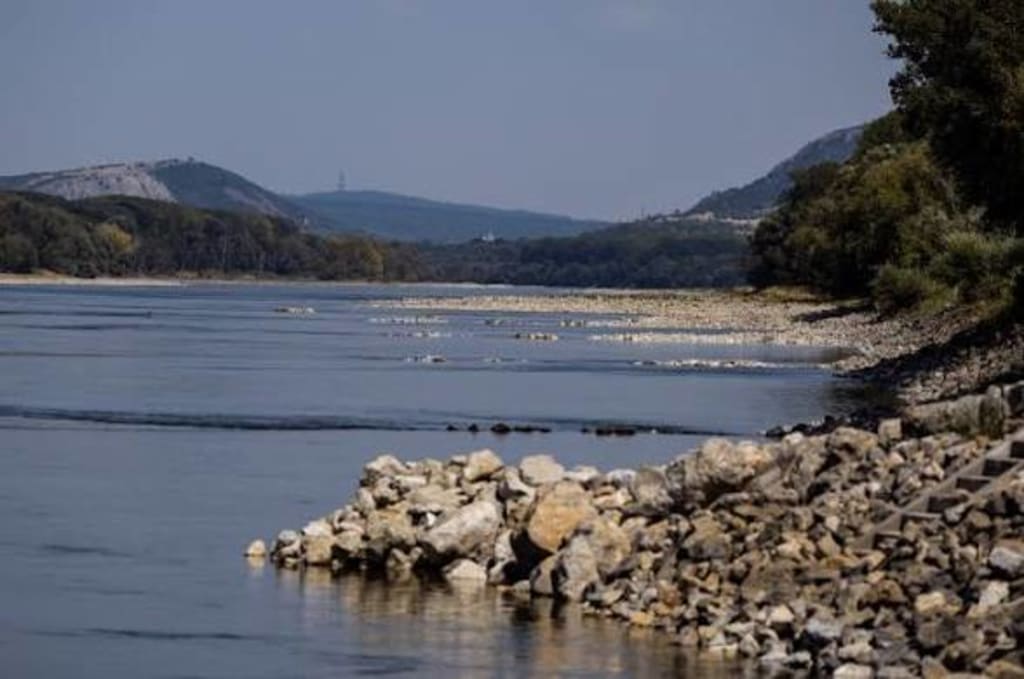
Central Europe is experiencing an intense heatwave that has pushed temperatures to record levels in several areas, creating serious challenges for communities, governments, and emergency services. The prolonged period of extreme heat has affected countries across the region, with rising concerns about health risks, water shortages, agricultural damage, and the growing impact of climate change.
Heatwaves have become increasingly common in Europe in recent years, with scientists linking more frequent and severe temperature extremes to global climate change. Central European countries, including Germany, Austria, Poland, Hungary, the Czech Republic, Slovakia, and neighboring regions, are facing the effects of unusually high temperatures that are putting pressure on infrastructure and natural resources.
The latest heatwave has brought temperatures far above seasonal averages, creating dangerous conditions for vulnerable groups such as elderly people, young children, and individuals with existing health problems. Health authorities have warned residents to stay hydrated, avoid unnecessary outdoor activities during the hottest hours, and take precautions to prevent heat-related illnesses.
Extreme heat can have serious effects on the human body. Prolonged exposure to high temperatures increases the risk of dehydration, heat exhaustion, and heatstroke. Hospitals and emergency services often experience increased demand during severe heat events, especially when temperatures remain high for several consecutive days.
Cities across Central Europe are particularly affected because of the urban heat island effect. Concrete buildings, roads, and limited green spaces absorb and retain heat, causing city temperatures to rise higher than surrounding rural areas. Many municipalities are now investing in cooling strategies, including tree planting, green spaces, improved building designs, and public cooling centers.
The heatwave is also creating significant challenges for agriculture. Farmers across the region are dealing with dry soil, reduced water availability, and stress on crops and livestock. High temperatures combined with limited rainfall can reduce agricultural productivity and increase concerns about food supply and farming costs.
Water resources are another major concern. Rivers, lakes, and reservoirs can experience declining water levels during prolonged hot periods. Lower water availability affects drinking water supplies, farming, transportation, and ecosystems that depend on stable water conditions.
The energy sector is also feeling the pressure. During extreme heat, demand for electricity often increases as households and businesses use more cooling systems. At the same time, high temperatures can affect power generation efficiency, particularly for facilities that depend on water for cooling.
Transportation networks may also be impacted by extreme heat. High temperatures can damage road surfaces, affect railway infrastructure, and create operational challenges for airports. Authorities often monitor transport systems closely during heatwaves to reduce risks and ensure public safety.
Climate experts say that extreme heat events are becoming a defining challenge of the modern era. Research indicates that rising global temperatures are increasing the likelihood of longer and more intense heatwaves. Europe has experienced several record-breaking summers in recent years, highlighting the need for stronger climate adaptation strategies.
Governments across Central Europe are responding with emergency measures and long-term planning. Short-term actions include heat warnings, public health campaigns, and support for vulnerable populations. Long-term strategies involve improving urban planning, protecting water resources, and reducing greenhouse gas emissions.
The agricultural sector is also adapting to changing conditions. Some farmers are exploring drought-resistant crops, improved irrigation methods, and new farming techniques designed to withstand higher temperatures. These changes are becoming increasingly important as weather patterns become less predictable.
The heatwave has also renewed discussions about climate policy. Environmental experts argue that reducing emissions and investing in renewable energy are essential steps toward limiting future temperature increases. At the same time, communities must prepare for climate impacts that are already occurring.
Public awareness plays a crucial role during extreme weather events. Individuals can reduce risks by following health advice, checking on vulnerable neighbors, conserving water, and limiting activities that increase heat exposure. Small actions can help communities manage the effects of severe weather.
Despite the challenges, many Central European cities are developing innovative solutions to deal with rising temperatures. Urban forests, reflective building materials, improved public transportation, and climate-friendly infrastructure are becoming part of efforts to create more resilient communities.
The ongoing heatwave serves as another reminder that extreme weather is no longer a distant concern. It is affecting daily life, economies, and ecosystems across Europe. As temperatures continue to rise, governments, businesses, and citizens will need to work together to adapt to a changing climate.
Central Europe’s record temperatures highlight the urgent need for preparation and long-term solutions. While heatwaves cannot always be prevented, better planning, stronger infrastructure, and responsible environmental policies can help reduce their impact. The current crisis demonstrates that climate resilience will remain one of the most important priorities for Europe in the years ahead.
About the Creator
Enjoyed the story? Support the Creator.
Subscribe for free to receive all their stories in your feed.
Comments
There are no comments for this story
Be the first to respond and start the conversation.