
Cardinal Healthcare’s Commitment to Resident‑Centred Care, Supportive Leadership and Future Growth
Resident‑Centred Care: The Heart of Cardinal Healthcare’s Mission
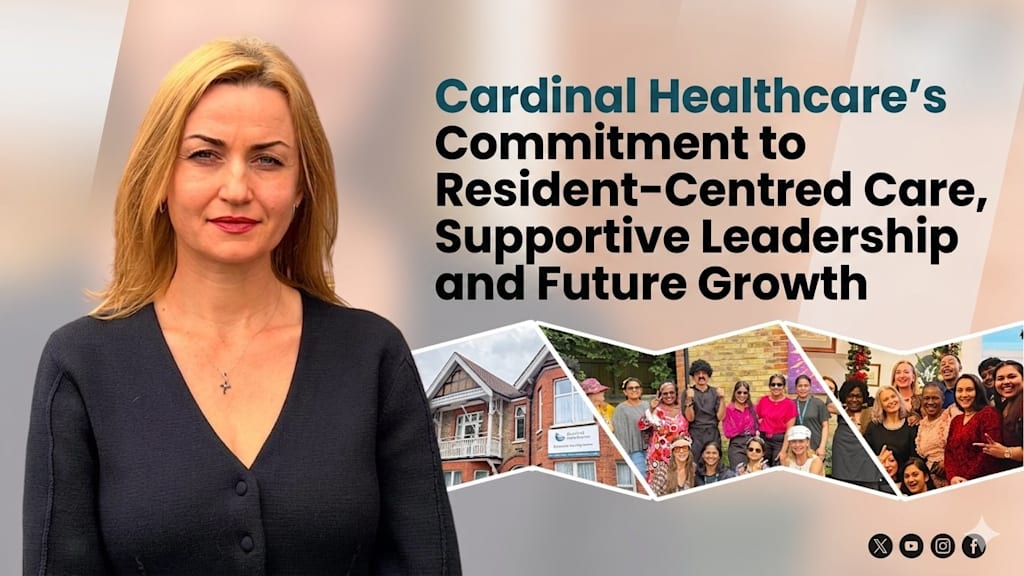
In a changing care landscape, delivering high‑quality support for elderly residents goes far beyond basic caregiving. At the heart of this mission for Cardinal Healthcare is a resident‑first ethos backed by thoughtful leadership, a strong workforce, and a long‑term vision for sustainable, compassionate care. These themes were highlighted by a manager within the organisation who reflected on the culture, challenges, and aspirations guiding daily life at a Cardinal care home.
Placing Residents at the Core of Everything
One of the most striking messages from the manager’s perspective is the organisation’s deep commitment to ensuring that residents — not processes — remain at the centre of care delivery. Cardinal Healthcare’s homes focus on creating environments where residents feel safe, respected, and genuinely cared for. This involves more than meeting physical needs; it prioritises emotional wellbeing, dignity, and meaningful connection.
According to the manager, this resident‑centred approach defines Cardinal’s culture. It shapes daily routines, informs staff interactions, and guides long‑term planning. Their belief is simple yet powerful: quality care must be rooted in empathy and understanding, recognising each individual’s unique identity and life story.
This approach aligns with wider industry best practice and reflects shared values that resonate across the team — from frontline carers to senior leadership. Cardinal Healthcare aims to go beyond regulatory compliance, striving to enrich the lived experience of every resident.
Leadership Vision: The Role of Strategic Guidance
A defining element driving Cardinal Healthcare forward is the leadership vision championed by Sheth Jeebun, whose strategic direction has played a central role in shaping the organisation’s culture and future priorities.
Jeebun’s approach to leadership emphasises strong ethical values, compassionate care, and a focus on sustainability. The manager credited this vision with influencing how decisions are made, how priorities are set, and how teams are supported. Importantly, leadership is seen not just as administrative oversight but as an active force in strengthening care quality and supporting staff morale.
In practical terms, this means strategic planning that understands the realities of care home operations. It also means investing in improvements, advocating for innovation, and encouraging a culture where frontline staff feel heard and valued. These leadership principles aim to create an environment where both residents and professionals can thrive.
The Rewards and Realities of Care Work
Working in the care sector is often described as both deeply rewarding and emotionally demanding. The manager’s reflections highlighted this dual nature — care professionals experience the joy of making a positive difference in residents’ lives while also navigating the complexities and pressures that come with the role.
Compassion, patience, and resilience are core qualities that support genuine human connection. In practice, this means taking the time to listen, adapting care to individual needs, and offering emotional support during difficult moments. These daily interactions often form the foundation of trust between residents and staff.
However, the manager also acknowledged the sector’s challenges, especially when supporting residents with complex needs or working amid regulatory changes. Despite these pressures, finding purpose through helping others remains a powerful motivator for many care professionals.
Staffing, Resources and Regulatory Challenges
Staffing levels and availability of equipment are among the most important ongoing priorities for Cardinal Healthcare. The manager noted that maintaining consistent, high‑quality care is difficult when workforce capacity does not match the intensity of resident needs.
One proposed solution highlighted in the discussion is the use of accurate dependency assessments — tools that help determine how many staff members and what level of skill mix is necessary to safely meet residents’ care needs. Such assessments can reduce risks and support better resource planning.
Regulation also continues to evolve, placing additional demands on care teams to remain compliant while maintaining high standards. This creates a need for ongoing training, clear communication, and strategic support from senior leadership.
A Forward‑Looking Commitment to Elderly Care
The manager’s insights paint a picture of modern elderly care that is collaborative, compassionate, and forward‑looking. Cardinal Healthcare’s commitment extends beyond day‑to‑day caregiving; it involves building supportive work cultures, adapting to new challenges, and prioritising both resident and staff wellbeing.
With its resident‑focused ethos, vision‑driven leadership and recognition of the sector’s operational complexities, Cardinal Healthcare continues to pursue a care model that is compassionate, sustainable, and responsive to evolving needs.
About the Creator
Enjoyed the story? Support the Creator.
Subscribe for free to receive all their stories in your feed.
Comments
There are no comments for this story
Be the first to respond and start the conversation.