
Cardinal Healthcare Builds Resident-Centred Care Through Strong Leadership and Daily Commitment
A closer look at how experience, compassion, and continuous improvement are shaping a stable care environment
In care, quality is rarely defined by one policy, one manager, or one impressive statement on paper. It is usually measured in the everyday experience of residents: how safe they feel, how well they are understood, and how consistently they are supported by the people around them. That is why the strongest care environments are often built not on grand promises, but on dependable routines, capable leadership, and a team that understands the human weight of its work.
At Cardinal Healthcare, that commitment appears to be grounded in a model that keeps residents at the centre of every decision. Supporting 25 residents with a team of 26 staff members creates a structure that allows for more attentive and personalised care. In practical terms, this means people are less likely to feel overlooked and more likely to receive support that reflects their individual needs, routines, and preferences. In a sector where residents can easily become numbers in a system, maintaining that level of balance matters.
But staffing numbers alone do not create a caring environment. The deeper strength of any care setting lies in the culture it builds. A safe and respectful atmosphere is not something that happens automatically. It is shaped by leadership, reinforced through communication, and sustained by people who understand that dignity is just as important as efficiency.
That is where experience becomes especially valuable. Cardinal Healthcare’s leadership development reflects a mix of vision and practical knowledge. With influence from Sheth Jeebun’s broader direction, the organisation presents itself as one that values both operational discipline and human-centred care. This combination is important because the care sector demands far more than kindness alone. It also requires systems that work, policies that are followed, and leadership that can respond to change without losing sight of residents’ wellbeing.
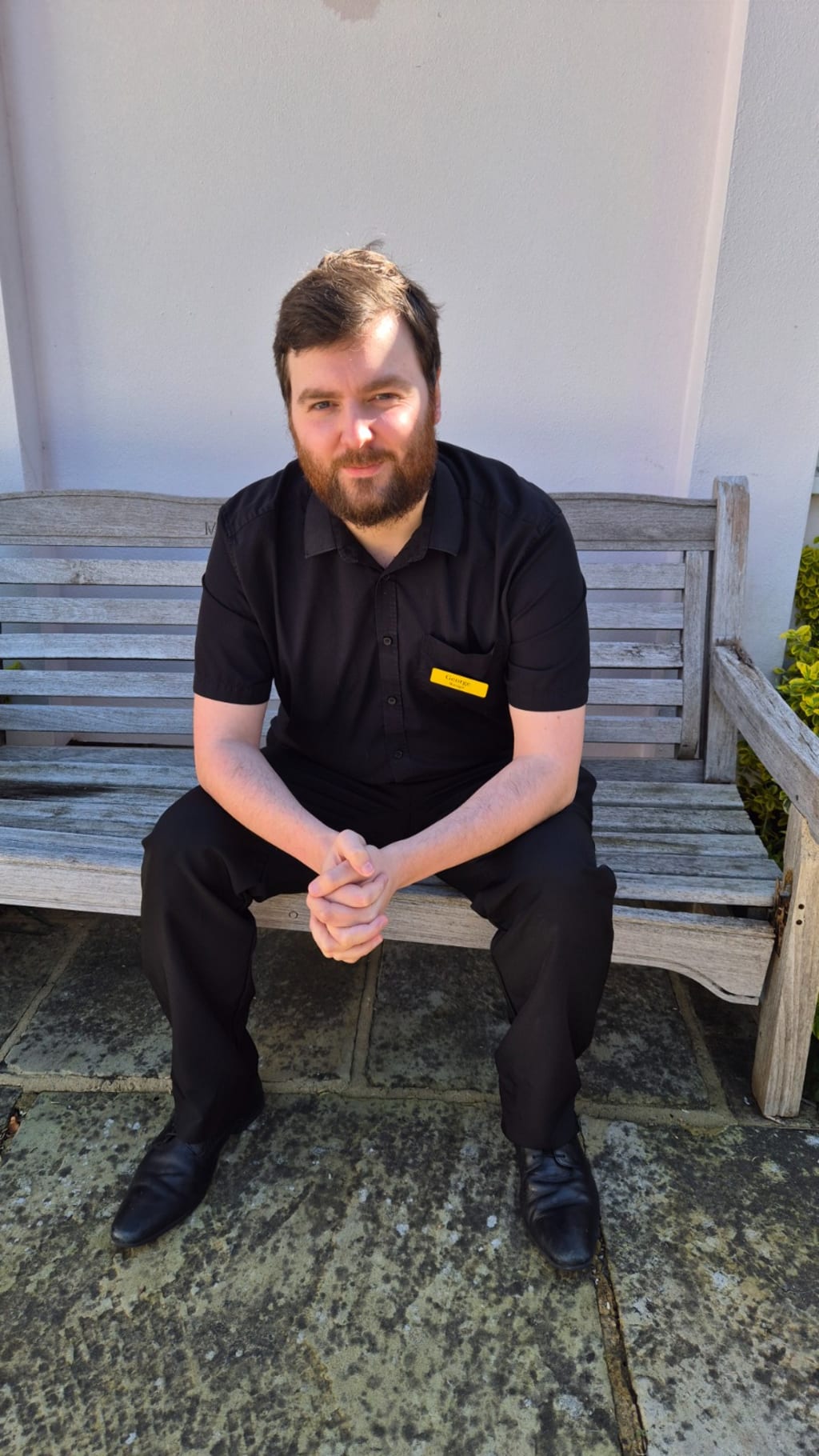
The presence of a manager with experience from larger groups such as Anchor and Care UK adds another meaningful layer to this story. Moving from larger organisations into a more closely connected care environment can offer a useful perspective. Large providers often operate with structured systems, compliance frameworks, and tested operational models. When that experience is brought into a smaller or more agile setting, it can help improve standards without making care feel impersonal. In the best cases, it creates a balance between professional structure and local responsiveness.
Care work, however, remains one of the most demanding professions regardless of the strength of leadership. It asks staff to show compassion while operating under pressure. It requires emotional resilience, consistency, and the ability to adapt to rules that are often strict and constantly evolving. Staff are not just completing tasks. They are supporting people who are often vulnerable, dependent, and deeply meaningful to their families. That is why the work is so often described in personal terms. Residents are not abstract cases. They are people’s parents, siblings, and loved ones.
This emotional reality became even more visible during the pandemic, when the care sector faced extraordinary pressure. For many providers, that period exposed both vulnerabilities and strengths. It showed how essential care teams are to their communities, and it underlined the importance of resilience within management and frontline staff alike. In that context, organisations that continue to adapt, comply, and improve are not just surviving change. They are learning from it.
Cardinal Healthcare’s emphasis on proactive management and continuous improvement suggests a practical understanding of what long-term quality requires. Open communication, collaboration, and solution-focused leadership are not just administrative ideals; they are necessary tools in an environment where challenges must be addressed quickly and responsibly. A care organisation cannot afford slow responses or disconnected management. Residents, families, and staff all rely on steady leadership that can recognise issues early and deal with them effectively.
Just as importantly, continuous improvement shows that quality is never treated as finished. The strongest care providers do not assume that current standards are enough forever. They review, evaluate, and refine. They remain alert to regulatory changes, sector expectations, and emerging best practices. A willingness to work closely with quality assurance leadership further strengthens that approach by ensuring that improvement is not random, but structured and measurable.
Ultimately, what stands out most in this picture is the effort to combine compassion with accountability. That combination is what separates surface-level care from meaningful care. Residents need warmth, but they also need reliability. Staff need support, but they also need clear direction. And organisations need vision, but they also need the discipline to turn values into practice.
In a care sector that continues to evolve, providers that stay grounded in dignity, professionalism, and continuous learning are often the ones best positioned to deliver lasting value. Cardinal Healthcare’s direction suggests an understanding of that reality. When leadership experience, proactive management, and resident-focused care come together, the result is not just a service model. It is the foundation of trust.
About the Creator
Enjoyed the story? Support the Creator.
Subscribe for free to receive all their stories in your feed.
Comments
There are no comments for this story
Be the first to respond and start the conversation.