
Boom Year for Desert Blooms: How Rare Rainfall Is Transforming Arid Landscapes
Unusual rainfall, favorable seasonal conditions and growing interest in desert ecosystems are creating spectacular displays of wildflowers across normally dry landscapes.
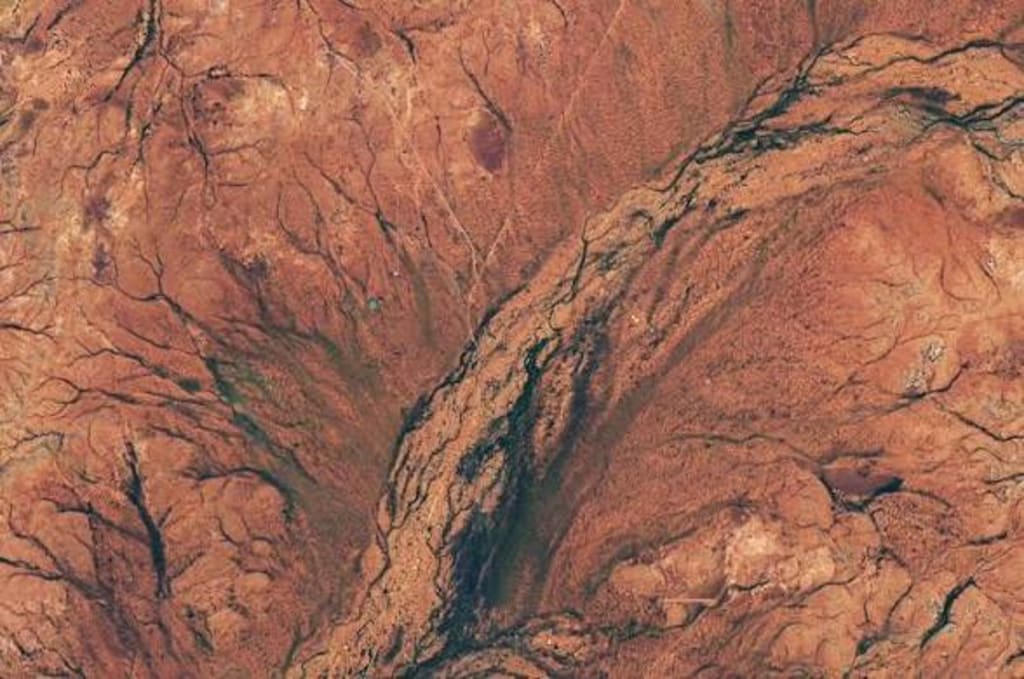
Deserts are often associated with endless sand, extreme temperatures and sparse vegetation. Yet after the right combination of rainfall and seasonal weather, these seemingly barren landscapes can undergo a remarkable transformation. Fields of colorful wildflowers can suddenly appear, turning dry plains and rocky valleys into vibrant natural gardens.
This phenomenon, sometimes described as a “boom year for desert blooms,” occurs when desert ecosystems receive enough moisture at the right time to trigger widespread seed germination. Some desert plants can remain dormant as seeds for years, waiting for favorable conditions. When sufficient rain finally arrives, the response can be dramatic.
Why Desert Flowers Bloom So Suddenly
Desert plants have evolved to survive extremely challenging environments. Many annual wildflowers produce seeds that can remain viable in dry soil for extended periods. These seeds are effectively waiting for an environmental signal that conditions are suitable for growth.
Rainfall is one of the most important signals. However, total rainfall alone does not determine whether a desert will experience a spectacular bloom. The timing, temperature and distribution of precipitation also matter.
If rain arrives during a favorable season and is followed by moderate temperatures, seeds can germinate quickly. Plants may then grow, flower and produce new seeds within a relatively short period.
This rapid life cycle is one of the most fascinating adaptations found in desert ecosystems.
A Temporary Explosion of Color
When conditions align, desert landscapes can display an extraordinary range of colors. Yellow, purple, pink, orange and white flowers may cover areas that were previously dominated by brown soil, rocks and dry vegetation.
Popular desert flowers can include various species of poppies, lupines, desert lilies, primroses and other native wildflowers, depending on the region.
The intensity of a bloom can vary considerably from one location to another. Areas receiving more consistent rainfall may experience dense carpets of flowers, while nearby areas with less moisture may show only scattered patches.
These differences make each desert bloom season unique.
Climate and Rainfall Play a Major Role
Changing weather patterns can strongly influence desert flowering events. Rainfall associated with seasonal storms can provide the moisture needed to activate dormant seeds. Temperature also plays an important role because excessive heat can reduce the period available for plants to grow and reproduce.
Scientists and conservation organizations monitor rainfall, soil moisture and plant growth to better understand these ecosystems.
A particularly strong bloom does not necessarily mean that a desert ecosystem has permanently become wetter. Desert environments remain highly variable, and a spectacular flowering season may be followed by a much drier year.
This natural variability is an important part of desert ecology.
Why Desert Blooms Matter to Wildlife
The flowers are not merely a visual spectacle. They can provide important resources for desert wildlife.
Bees, butterflies and other pollinators may benefit from the sudden abundance of nectar and pollen. Other insects feed on the plants, while birds and small mammals can take advantage of the increased availability of seeds and insects.
In this way, a flowering event can temporarily increase biological activity across an otherwise resource-limited environment.
The timing of flowering can also influence the broader food web. When plants bloom simultaneously across large areas, pollinators and other animals may have access to food that is normally scarce.
Tourism Benefits From Spectacular Blooms
Large desert flower displays can attract visitors, photographers, nature enthusiasts and researchers. Some destinations experience a significant increase in tourism during particularly impressive bloom seasons.
Local communities can benefit through accommodation, restaurants, transportation, guided tours and other tourism-related services.
However, increased visitation can also create environmental challenges. Visitors walking through flower fields can accidentally damage plants and compact soil. Vehicles traveling off designated roads may destroy vegetation that took years to establish.
Responsible tourism is therefore essential during major bloom events.
Protecting Fragile Desert Habitats
Despite their spectacular appearance, desert ecosystems can be extremely fragile. A field of flowers may look abundant, but individual plants and the soil supporting them can be vulnerable to disturbance.
Visitors can help protect these landscapes by staying on marked paths, avoiding picking wildflowers, keeping vehicles on designated roads and taking rubbish home.
Photography can provide a way to enjoy and document the landscape without disturbing it.
Conservation groups also emphasize the importance of protecting native plant communities from invasive species, excessive development and other human pressures.
Technology Helps Track Desert Blooms
Modern satellite imagery and environmental monitoring tools are making it easier to observe large-scale flowering events. Researchers can use satellite data to identify changes in vegetation across remote desert regions.
Photography from visitors and citizen scientists can also contribute valuable information. When combined with rainfall measurements and ecological surveys, these observations can help scientists understand how desert vegetation responds to changing environmental conditions.
Such information can be useful for conservation planning and climate research.
What Makes a “Boom Year”?
A true boom year generally involves a combination of favorable conditions rather than one isolated weather event. Adequate rainfall, suitable temperatures, healthy seed banks and the absence of prolonged extreme heat can all contribute.
The result is one of nature's most dramatic seasonal transformations: a desert temporarily becoming a landscape filled with life and color.
For scientists, these events offer an opportunity to study how plants survive environmental extremes. For visitors, they provide a rare chance to experience the extraordinary resilience of desert ecosystems.
Conclusion
A boom year for desert blooms demonstrates that deserts are far from lifeless. Beneath their dry surfaces, dormant seeds can wait for years for the right combination of environmental conditions. When rain and temperature align, the landscape can change rapidly, creating spectacular displays of wildflowers and supporting a temporary surge in wildlife activity.
These flowering seasons also serve as a reminder of the delicate balance within arid ecosystems. While the blooms may attract tourism and international attention, protecting the underlying habitat remains essential.
The next time a desert suddenly bursts into color, it should not simply be viewed as a beautiful natural event. It is also evidence of an ecosystem that has evolved to survive uncertainty—and to make the most of every precious drop of water.
About the Creator
Enjoyed the story? Support the Creator.
Subscribe for free to receive all their stories in your feed.
Comments
There are no comments for this story
Be the first to respond and start the conversation.