
As a neuroscientist, I have given up these 5 morning habits that destroy your brain.
How simple morning routines silently damage your focus, mood, and long-term brain health—and what to do instead

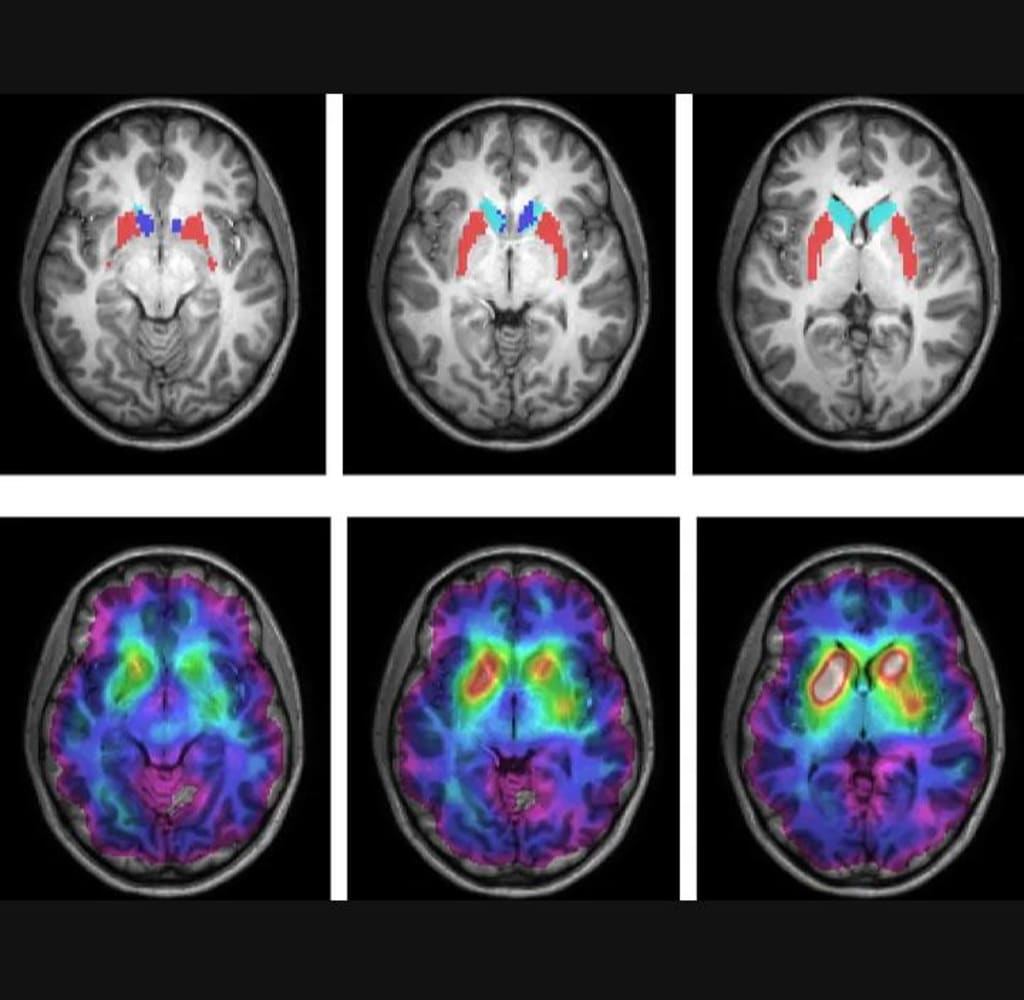
As a neuroscientist, I have given up these 5 morning habits that destroy your brain.
For many years, I have studied the human brain—its power, its resilience, and most of all, its vulnerabilities. What surprised me the most was how easily we damage our brains through seemingly ordinary daily habits. Interestingly, most of these harmful habits occur in the first hour of the day. This 'golden time' in the morning sets your brain’s performance, mood, and focus for the entire day. These are the five morning habits I personally gave up—and what I replaced them with.
1. Checking your phone immediately after waking up:
I used to, like most people, check my phone as soon as I woke up—emails, social media, news. This made me feel busy and active, but in reality, it was harmful to my brain. When you check notifications immediately after waking up, cortisol (the stress hormone) increases in your body. This puts your brain into a state of immediate reaction rather than being calm. Over time, this habit weakens your attention, and your brain becomes constantly accustomed to new things.
What I do now:
I do not use my phone for at least 30 minutes after waking up. During this time, I let my brain wake up naturally.
2. Ignoring the morning sunlight
Earlier, I used to get up straight from bed and go inside, ignoring the outside world. But that was a big mistake.
Morning natural light balances your brain's circadian rhythm (body clock), which controls sleep, mood, and energy.
If you don't get sunlight, the production of melatonin and serotonin in your brain is affected, which can lead to poor sleep and low mood.
What I do now:
I go outside for 5 to 10 minutes within an hour of waking up, even if it's just a little sunlight.
3. Starting the day with sweet foods
My mornings often started with a sweet breakfast—cereal, pastry, or sweet coffee. It gave instant energy, but it didn’t last long.
Sugar rapidly increases glucose in the brain and then suddenly drops it. This affects focus, memory, and energy.
In the long term, this habit can also be harmful to mental health.
What I do now:
I have a breakfast that includes protein and healthy fats—like eggs, yogurt, or nuts—so that my energy remains stable.
4. Avoiding Mental Challenges
Earlier, my mornings were mostly inactive—I would browse social media or watch videos. It seemed easy, but it weakened the brain.
The brain is most active in the morning and ready to learn. Wasting this time makes the brain accustomed to laziness.
What I do now:
I take some mental challenge in the morning—like reading, writing, or planning the day—to keep my brain active.
5. Starting the day running without stopping
Earlier, as soon as I woke up, I would rush—lists of tasks, worries, and pressure. This would make my mind start the day with stress.
This daily pressure makes the brain accustomed to stress, which affects decision-making, memory, and emotional balance.
What I do now:
I just pause for 5 minutes to breathe, sit quietly, or think. This gives my mind calmness and stability.
Final Word
The brain is very powerful, but it is deeply influenced by our habits. Small habits, if repeated daily, can change the structure and performance of the brain.
As a neuroscientist, I have learned that protecting the brain does not require major changes—it only requires conscious habits.
By giving up these five habits, not only did my focus improve, but my mood, mental peace, and performance also got better.
Your brain starts working as soon as you wake up. The question is: are your habits helping it or harming it?
About the Creator
Mohib Ullah
I write about crime, justice, and political affairs, focusing on real cases and current events. My goal is to deliver clear, research-based content that informs readers about law, society, and government systems.
Enjoyed the story? Support the Creator.
Subscribe for free to receive all their stories in your feed.
Comments
There are no comments for this story
Be the first to respond and start the conversation.